Cover photo by Tanya Barrow
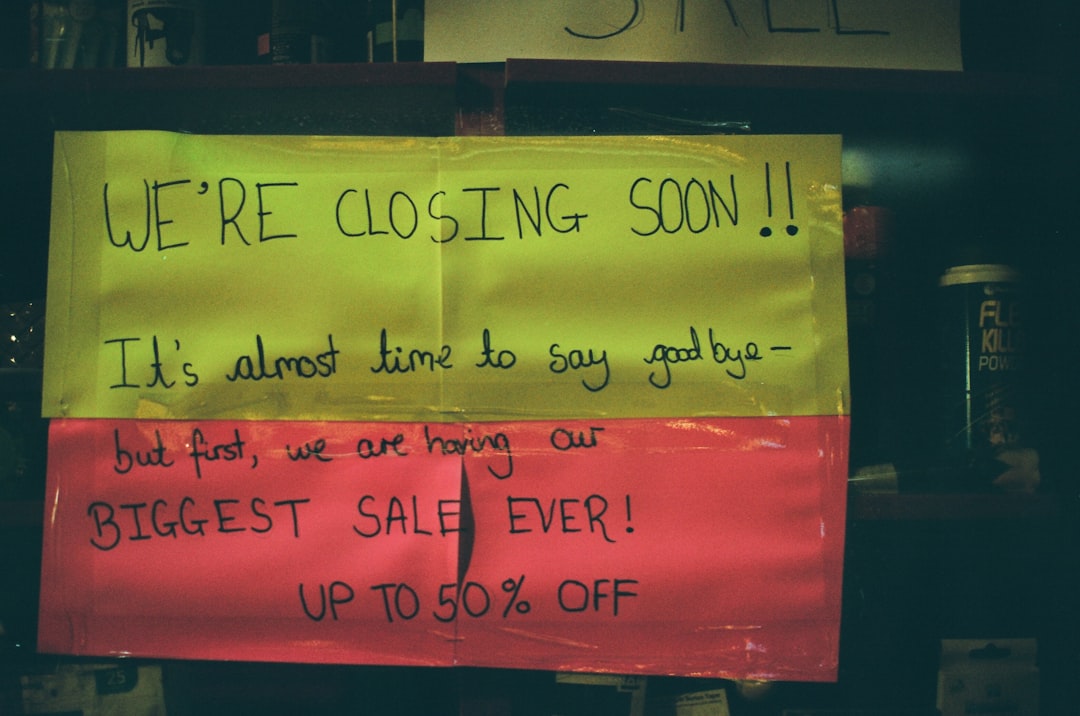
The closure of a discount chain, supermarket, café or neighborhood shop may seem minor compared with larger life events. Yet familiar places often hold practical and emotional roles. They provide affordable essentials, a predictable route, casual contact with staff and a sense that the neighborhood is stable. When they disappear, inconvenience can combine with nostalgia, financial concern and uncertainty about what will replace them. It is reasonable to feel unsettled. A constructive response acknowledges the loss while building new routines that fit current needs, especially when time, mobility or household budgets are already tight.
Identify what the store actually provided
Before searching for a direct replacement, list the functions the old store served. Perhaps it offered low prices, late opening hours, parking, a pharmacy, familiar products or a short walk from home. It may also have provided social contact or a reason to leave the house. Different needs may require different replacements. One shop might cover groceries, while a delivery service helps with heavy items and a weekly market restores the social element. Naming the functions prevents disappointment when a new store is not identical. It also reveals which part of the closure creates the greatest strain and deserves attention first.
Compare total cost, not only shelf prices
A cheaper product is not always cheaper after transport, delivery fees, membership costs and the time required to reach it. Compare a typical basket across realistic alternatives. Include fuel or public transport and consider whether bulk packages will actually be used. Store brands, planned substitutions and fewer separate trips may save more than chasing every promotion. At the same time, avoid turning comparison into a second job. Choose a simple system, such as checking prices for the ten items that matter most to your household. Financial well-being benefits from informed habits, but it also benefits from protecting time and mental energy.
Build a transition period into the budget
Closures often produce temporary spending mistakes. People buy unfamiliar quantities, visit several stores or rely on takeout while routines are unsettled. If possible, create a small transition allowance for the first month and track what changes. This is not permission for unlimited spending. It is recognition that adaptation has a cost. After several weeks, review which expenses are recurring and which were one-time. Households under serious financial pressure may benefit from local assistance programs, food cooperatives or community transport. General budgeting advice cannot replace individualized financial guidance, but a short transition plan can prevent shame from obscuring practical options.
Preserve useful neighborhood connections
Regular encounters with cashiers, pharmacists, café staff and other customers can be meaningful, particularly for people who live alone or work from home. When a store closes, notice whether social contact also decreases. Support another local business when affordable, attend a library or community event, or arrange a regular walk with a neighbor. Community connection does not have to depend on spending money, but commercial spaces often provide the setting. Recognizing that role helps explain why the closure feels bigger than a shopping problem. It also encourages deliberate replacement rather than waiting for isolation to become obvious.
Use the disruption to simplify routines
A forced change can reveal habits that were convenient but not especially useful. Perhaps frequent small trips led to impulse purchases, or the usual route added stress at the busiest time of day. Test a weekly meal plan, a shared household list or one combined errand trip. Keep the experiment modest and reversible. The aim is not to transform the closure into a cheerful productivity challenge. It is to recover some control by designing the next routine rather than merely inheriting it. A new system may eventually be better, but it is also acceptable if the first goal is simply making daily life workable again.
Allow nostalgia without idealizing the past
People often remember a closed place as more dependable, affordable or friendly than it was. Nostalgia can still be valuable because it identifies what mattered: recognition, convenience, a particular product or a period of life associated with the location. Share memories, keep a photograph or talk with neighbors about the change. Then separate those memories from the practical decision about where to shop now. Acknowledging the emotional meaning makes adaptation easier than dismissing it as silly. Places become part of personal geography, and their disappearance can mark time in a way that deserves a moment of attention.
Conclusion
A store closure can affect money, time, social contact and the feeling of stability in a neighborhood. Start by identifying the roles the place served, then compare realistic alternatives using total cost and convenience. Give the household a transition period, preserve valuable connections and test simpler routines where they help. The new arrangement does not need to reproduce the old one perfectly. It only needs to support daily life with reasonable cost and effort. Small losses are still losses, and adapting thoughtfully is more effective than pretending they should not matter.