Guide To Inner Harmony

Showing: 1 - 15 of 35 RESULTS
a person wearing headphones and using a computer
Environment Mind Relationships

Gaming as Real Leisure: How to Keep It Enjoyable Instead of Automatic

Video games can provide challenge, storytelling, competition, creativity and social contact in a way few other forms of entertainment combine. They can also become the automatic answer to every free hour because consoles, phones and online games are designed to make returning easy. The useful distinction is not between gaming and supposedly better hobbies. It is between leisure you choose and leisure you fall into without noticing. A three-hour gaming session with friends can be a satisfying evening. Three hours of repeatedly starting another match while wishing you had gone to bed can feel very different. Keeping games enjoyable is therefore less about strict time limits and more about noticing what role they are playing in the rest of your week.

a bowl of dog food on a tile floor
Body Nutrition Relationships

Pet Food Recalls: What to Check Before Throwing Everything Away

A pet food recall can provoke immediate worry because animals cannot explain how they feel and many owners feed the same product every day. The first impulse may be to throw away every bag, tin or treat from the brand, but recalls are usually more specific than the headline. They can apply to particular products, batch codes, package sizes or production dates. A calm response starts with matching the item in your home to the official recall notice and following the instructions provided by the manufacturer, retailer or relevant food-safety authority. If your pet has eaten the product and seems unwell, contact a veterinarian for advice rather than trying to interpret symptoms from social media. General information is useful for organising the response, but the exact recall notice and veterinary guidance should lead the decision.

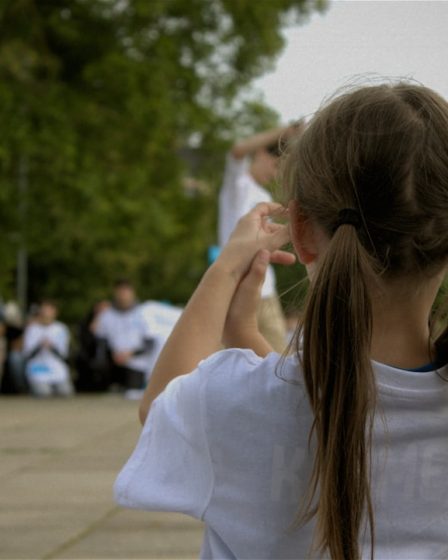
A young girl watches a street performance
Body Mind Relationships

Watching Your Child Play Sport Without Becoming Their Second Coach

Watching a child compete can produce more emotion than many parents expect. You want them to do well, you notice mistakes, you see opportunities and you may know enough about the sport to have strong opinions about what should happen next. The difficulty is that a child already has a coach, teammates and their own internal reaction to the game. When the journey home becomes another coaching session, sport can begin to feel like a continuous evaluation rather than something they are allowed to enjoy. Parents still have an important role. They handle transport, fees, encouragement, recovery and the wider perspective that a young athlete may not yet have. That role is most helpful when it supports participation without making performance the centre of the parent-child relationship.

group of women wearing soccer jersey shirts
Environment Mind Relationships

Why Local Sport Can Be Better for Your Weekend Than Another Big Match on TV

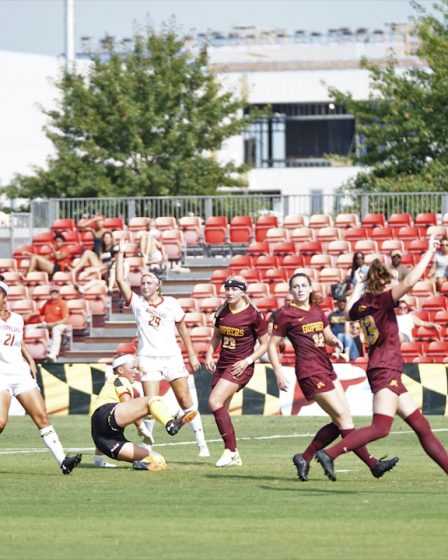
Major leagues dominate sports coverage, but some of the most enjoyable sporting experiences happen much closer to home. A local football match, amateur baseball game, community rugby fixture or school tournament may not offer famous players or polished production, yet it can provide something television cannot: a reason to leave the house, meet people, spend time outdoors and feel connected to a place. Local sport is also often cheaper and less demanding than a trip to a major stadium. You do not need to become a devoted supporter or understand every tactical detail. Attending occasionally can simply be a form of community leisure. For families, it can show children that sport exists beyond elite performance. For adults, it can provide a social ritual that does not require a restaurant reservation or an entire day of planning.

a blue field with trees and clouds in the background
Body Environment Productivity Relationships

El Niño Without the Alarmism: How to Use Seasonal Forecasts in Everyday Life

Terms such as El Niño often move from weather reports into everyday conversation long before most people are clear about what they mean for their own town. A seasonal climate pattern can influence the likelihood of particular weather conditions across large regions, but it does not provide a precise script for every week ahead. That distinction matters. Seasonal forecasts can be useful for farmers, emergency planners, energy systems and households, yet they can also encourage exaggerated expectations when every hot day, storm or dry week is attributed to one global pattern. For ordinary life, the best use of a seasonal outlook is modest: understand the broad tendency for your region, prepare for plausible conditions and continue checking shorter-range forecasts for actual plans. Climate agencies and local weather services should remain the source of current information because impacts vary by location and season.

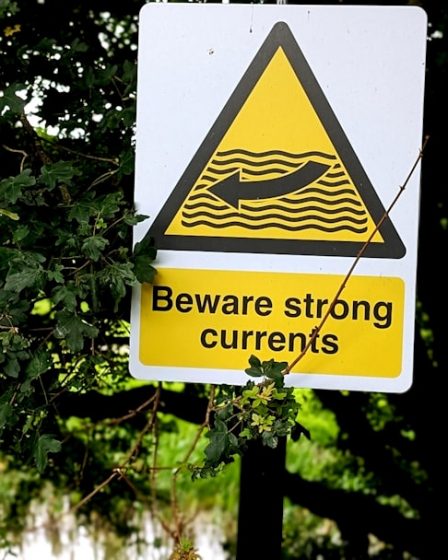
Warning sign for strong currents near water
Environment Mind Nutrition Relationships

Flash-Flood Warnings: A Calm Plan for Sudden Heavy Rain

Flash-flood warnings are unsettling because they describe a hazard that can develop quickly. A road that was passable earlier may become unsafe, a normally small stream can rise rapidly and familiar low-lying areas may collect water faster than expected. The right response is neither to ignore every warning because past storms caused little trouble nor to spend hours watching dramatic videos from other places. What matters is understanding the risk around your own location and acting on official local instructions. Flood behaviour varies greatly by terrain, drainage and rainfall, so general information cannot replace emergency guidance for your area. Still, a simple household plan can reduce last-minute decisions. Know the places you should avoid, keep essential information accessible, and make transport choices conservatively when water starts appearing where it should not be.

a black and white photo of a person walking down a road
Body Environment Relationships

How to Plan a Mountain Day With Children Without Turning It Into an Expedition

A family hike can be one of the simplest ways to spend a day together: fresh air, movement, changing scenery and enough distance from ordinary routines to make conversation feel different. It can also become stressful surprisingly quickly when the route is too ambitious, the weather changes, someone is hungry or a child simply decides that another kilometre is not happening. The answer is not to carry specialist equipment for every possible emergency or to avoid mountains altogether. It is to plan around the abilities of the least experienced person in the group, leave generous margins and accept that a successful outing may be shorter than the route you originally imagined. With children especially, the quality of the day matters more than the distance covered. A walk that ends while everyone still has energy is far more likely to create enthusiasm for the next one than a heroic push to reach a summit at any cost.

a notepad with a planner and a keyboard in the background
Mind Productivity Relationships

Retirement Without the Empty Calendar: Building a Balanced New Routine

Retirement is often imagined as permanent free time, which sounds wonderful while work is consuming most weekdays. Yet removing the structure of employment can create an unexpected question: what is Tuesday for now? Work provides more than income. It creates deadlines, social contact, physical movement, identity and a reason to leave the house at particular times. Some people are delighted to lose all of that structure, while others discover they miss parts of it. A satisfying retirement does not require replacing employment with an equally busy schedule. It does benefit from a few reliable anchors. The aim is to create enough shape that days do not blur together while preserving the flexibility that retirement was supposed to provide. The right routine will differ between someone eager to travel, a person caring for grandchildren, someone managing health limitations and a retiree who wants a quieter life.

boy in gray hoodie reading book on brown wooden table
Body Mind Productivity Relationships

GCSE Results and Exam Stress: How Parents Can Support Without Adding Pressure

Exam results can feel enormous to a teenager because they seem to compress years of work, future plans and other people’s expectations into a page of grades. Parents can feel anxious too, especially when they know certain results affect entry requirements or next steps. The challenge is to support the young person without making your own anxiety another problem they have to manage. NHS guidance on exam stress advises parents to listen, avoid adding pressure, support sleep and routine, and keep results in perspective. That remains useful after the exams themselves are finished. Results matter, but they rarely represent the only route toward a satisfying education or career. The most constructive parental role is often to help the teenager move from an emotional reaction to a practical understanding of what options remain.

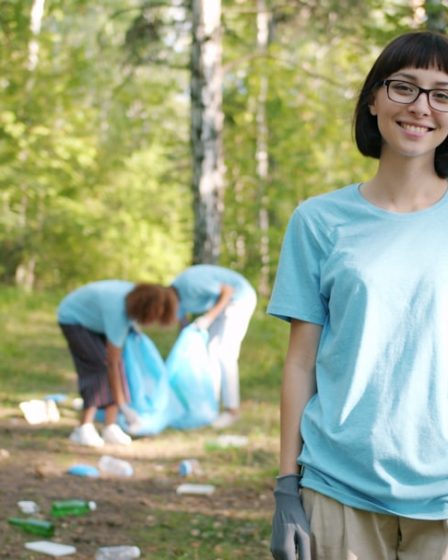
Woman smiling while people clean forest trash
Creativity Environment Mind Relationships

Volunteering Without Burnout: Finding a Sustainable Way to Help

Volunteering can add purpose, new relationships and useful variety to a week. It can also become another source of obligation if enthusiasm leads you to promise more time than you realistically have. Charities and community groups benefit most from volunteers who can contribute reliably, and volunteers benefit when helping others fits alongside work, family, health and rest. That makes sustainability more valuable than intensity. You do not need to spend every weekend at events or accept every request in order to make a meaningful contribution. Some people thrive in regular face-to-face roles, while others are better suited to occasional projects or professional skills they can offer remotely. The right form of volunteering is partly about the cause and partly about the structure. A role that matches your capacity is more likely to remain rewarding instead of gradually becoming something you dread.

silhouette of three women running on grey concrete road
Body Mind Relationships

Training for a First Marathon Without Letting It Take Over Your Life

A marathon is a large physical project, and that is part of its appeal. Training gives structure to months of running and turns an abstract ambition into a sequence of ordinary mornings, tired legs and gradually longer distances. The danger is that the project can expand until everything else seems to orbit the training plan. Weekends become long-run logistics, social events are judged by their effect on sleep, and a missed session can feel disproportionately serious. For most recreational runners, a better goal is to arrive at the start line prepared while still having a functioning job, family life and body. General physical-activity guidance encourages people who are new to exercise to start gently and build up progressively. Marathon preparation goes far beyond minimum activity guidelines, which makes gradual progression, recovery and realistic expectations particularly important.

a woman getting her teeth checked by a dentist
Body Relationships

Affordable Dental Care: How to Prioritize Prevention When Money Is Tight

Dental care can be difficult to prioritise when household finances are under pressure. Routine appointments have an immediate cost, while the benefit may feel distant if nothing currently hurts. That makes postponement understandable, but it can also allow smaller problems to become more complicated. The most useful approach is neither to ignore dental care nor to assume that everyone needs the same expensive schedule. Preventive needs vary between individuals. NHS guidance, for example, notes that routine dental check-up intervals can range according to oral health and future risk rather than automatically occurring every six months. Access and payment systems differ widely between countries, so local services should guide your decisions. Still, several practical habits can help most households use limited dental budgets more deliberately and reduce the chances that routine care becomes a recurring financial emergency.

A black and white photo of a shopping bag in a window
Mind Productivity Relationships

Interest Rate Uncertainty Without Household Panic

Interest rate news can influence attention, mood, household planning and the way people speak to one another. The challenge is to respond thoughtfully without turning uncertainty into panic or a temporary interest into another demanding self-improvement project. A practical approach asks what matters now, what can wait and which source of guidance is appropriate. It also leaves room for differences in age, health, income, culture and personal experience.

people sitting on green grass field during daytime
Mind Productivity Relationships

How to Plan a Public Holiday Weekend That Actually Feels Restorative

A long weekend can look like a rare chance to do everything at once. People book travel, arrange family visits, tackle household projects and accept several social invitations, then return to work more tired than before. Others place so much pressure on the break that ordinary delays or bad weather feel like a personal failure. A restorative holiday does not have to be empty, but it needs space. The most satisfying plan usually includes one or two meaningful activities, enough recovery time and realistic expectations about traffic, crowds and energy. Thinking about the weekend as a change of rhythm rather than a performance can make it feel longer and more enjoyable.

An older couple is embracing each other
Body Relationships

When Memory Changes in an Older Relative: A Calm First Response

Forgetting a name, repeating a story or misplacing an object can be unsettling, especially when it happens to an older parent or partner. It is easy to jump from one incident to the worst possible conclusion. Memory changes have many possible causes, including stress, poor sleep, medication effects, depression, hearing problems, infections and neurological conditions. General information cannot determine what is happening for a particular person. What families can do is observe carefully, avoid humiliating the person and seek appropriate medical assessment when changes are persistent, worsening or affecting safety. A calm first response protects dignity and makes it easier to gather useful information.