Cover photo by Jeffrey F Lin
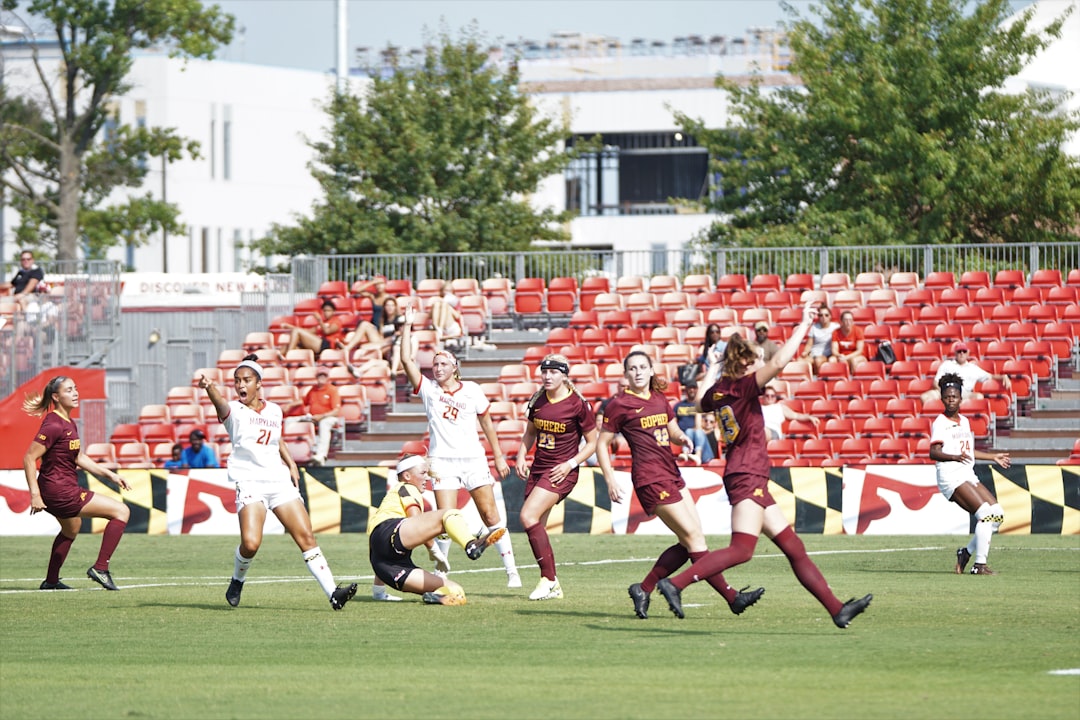
Major leagues dominate sports coverage, but some of the most enjoyable sporting experiences happen much closer to home. A local football match, amateur baseball game, community rugby fixture or school tournament may not offer famous players or polished production, yet it can provide something television cannot: a reason to leave the house, meet people, spend time outdoors and feel connected to a place. Local sport is also often cheaper and less demanding than a trip to a major stadium. You do not need to become a devoted supporter or understand every tactical detail. Attending occasionally can simply be a form of community leisure. For families, it can show children that sport exists beyond elite performance. For adults, it can provide a social ritual that does not require a restaurant reservation or an entire day of planning.
The experience is larger than the result
At elite level, the score can dominate everything. Local sport often feels different because the surroundings are part of the entertainment. You may know someone playing, recognise neighbours, stand close enough to hear communication on the field or chat with volunteers at halftime. The result still matters to participants and committed supporters, but casual spectators can enjoy the rhythm of the event without needing the outcome to define the weekend. This makes local sport an especially good option for people who like live competition but find professional fandom emotionally exhausting. You can care enough to be engaged and still walk home peacefully after a loss.
It creates easy social contact
Community events provide the kind of repeated, low-pressure social contact that adult life sometimes lacks. You can attend with a friend, bring children or simply talk briefly with people who happen to stand nearby. Over time, familiar faces may become acquaintances without requiring a deliberate networking effort. This is different from deep friendship, but it still contributes to feeling connected to a neighbourhood or town. Clubs often rely on volunteers, which can create additional routes into the community if you want them. There is no obligation to join a committee simply because you attended a match. Even buying a ticket, coffee or snack can support a local organisation and make the event more viable.
Children see a more realistic version of sport
Professional athletes are extraordinary performers, which can make sport look distant from ordinary ability. Local matches show children and beginners that participation exists at many levels. Players make mistakes, recover, communicate and continue. Coaches and officials are visible as real people rather than anonymous figures on a screen. This can be useful for young athletes who have absorbed the idea that sport matters only if they are exceptional. Watching adults play for enjoyment, community or competition can broaden that picture. Parents should still model respectful behaviour. Shouting abuse at officials or players undermines many of the lessons local sport can offer.
It can be an inexpensive outing
Ticket prices vary, but community sport is often cheaper than professional events and may even be free. The outing also requires less infrastructure. You may be able to walk or cycle there, bring a simple snack and spend two hours outside without turning the day into a major financial decision. This makes local sport useful when you want to do something but do not want every weekend activity to involve shopping, restaurants or expensive entertainment. Check whether the venue has seating, shade, toilets and accessibility that suit your group. A folding chair, warm layer or umbrella can make a simple ground considerably more comfortable.
Follow enough to make it interesting
You do not need detailed knowledge, but learning the team names, basic league context or a few players can make repeated visits more engaging. Follow a club’s fixture list or social page if you enjoyed the first match. Try different sports rather than assuming you know what you like from television. A local cricket match, rowing event or women’s football fixture may offer a completely different atmosphere from the sport you usually watch. Keep the commitment light until something genuinely catches your interest. The aim is to add variety to leisure, not create another schedule you feel obliged to maintain. Local sport also has a different pace from television. There are fewer graphics, fewer commercial interruptions and often no need to follow commentary before and after the event. You can watch, talk, walk around and let attention move naturally. That can make the outing feel more social than consuming a professional match from the sofa while simultaneously checking a phone. It may also lead you toward places you would not otherwise visit, such as a small ground, school field or community centre in another part of town. If the club has a café or clubhouse, staying for a drink afterwards can extend the social side without making the day elaborate. The value is not that local sport is morally superior to professional sport. Both can be enjoyable. The difference is that one often asks you to participate in a place rather than only consume a broadcast.
Conclusion
Local sport offers a useful middle ground between staying home and organising an elaborate day out. It provides movement, atmosphere, community and live uncertainty without necessarily bringing the cost or intensity of major professional events. Go because the weather is good, because a friend invited you or because you are curious about what happens at the ground you pass every week. You may discover that the pleasure of sport is not always proportional to the size of the stadium.