Cover photo by Vernon Raineil Cenzon
Monsoon rain can bring relief from heat, replenish water and change the rhythm of a city or village almost overnight. It can also create damp rooms, difficult commutes, muddy shoes, insects and long stretches indoors. The season feels easier when daily routines are adjusted instead of maintained as though the weather has not changed. A useful monsoon plan does not require expensive products or rigid rules. It focuses on dry clothing, safe food and water, comfortable movement, sensible travel choices and a home that can recover between showers. These small systems reduce irritation and leave more energy for work, family and rest.
Design the entrance for wet weather
The area near the door can prevent rain from spreading through the entire home. Place an absorbent mat inside, keep a tray or washable surface for wet footwear and create a specific place for umbrellas and raincoats to drip. A small towel nearby is useful for bags, pets and unexpected splashes. Rotate shoes so each pair has time to dry fully, and avoid storing damp items in closed cupboards. The aim is not a perfect entrance. It is a transition zone that keeps floors safer and reduces the daily frustration of searching for dry belongings before leaving again.
Manage humidity before mold becomes obvious
Dampness is easier to control early. Use ventilation when outdoor conditions allow, and run exhaust fans after bathing or cooking. Move furniture slightly away from walls where moisture collects, especially in rooms with limited airflow. Dry laundry completely before folding it into storage. A dehumidifier can help in persistently damp homes, but regular airflow, repaired leaks and prompt drying are the foundation. Check behind curtains, under sinks and around windows. People with allergies or respiratory conditions may be more sensitive to mold and should seek professional guidance if symptoms worsen or a large affected area develops.
Keep food routines simple and safe
Rainy weather can interrupt shopping and increase the temptation to keep cooked food at room temperature for too long. Plan a few meals that use shelf-stable ingredients and can be prepared with minimal effort. Refrigerate leftovers promptly, reheat them thoroughly and discard food that smells or looks questionable. Wash produce with safe water and keep raw ingredients separate from ready-to-eat foods. When eating outside the home, choose places with good turnover and visible hygiene practices. There is no need to fear every street meal or raw vegetable, but humid conditions make consistent food handling especially valuable.
Protect drinking water and hydration
Cooler, cloudy days can reduce the feeling of thirst even though the body still needs fluid. Keep water visible during work and travel. Use a reliable water source and maintain household filters according to the manufacturer’s instructions. After flooding or local supply warnings, follow public-health advice about boiling or avoiding tap water. Sugary drinks and repeated cups of strong tea may feel comforting but should not become the only fluids consumed. Warm soups, plain water and lightly flavored water can make hydration easier. Anyone with a medical condition that affects fluid intake should follow individualized clinical advice.
Adapt movement rather than abandoning it
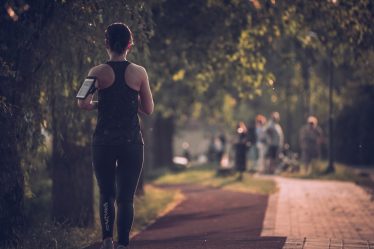
Outdoor plans may be cancelled repeatedly, but physical activity can continue in shorter and more flexible forms. Keep a simple indoor routine that requires little space: squats to a chair, wall push-ups, mobility work, dancing or stair walking where safe. On clearer days, choose routes with firm surfaces and good drainage. Wear footwear with reliable grip and slow down on painted road markings, tiles and algae-covered paths. Movement supports mood and sleep, but there is no benefit in turning a flooded commute or lightning storm into a test of discipline. The season rewards adaptability more than intensity.
Make commuting less draining
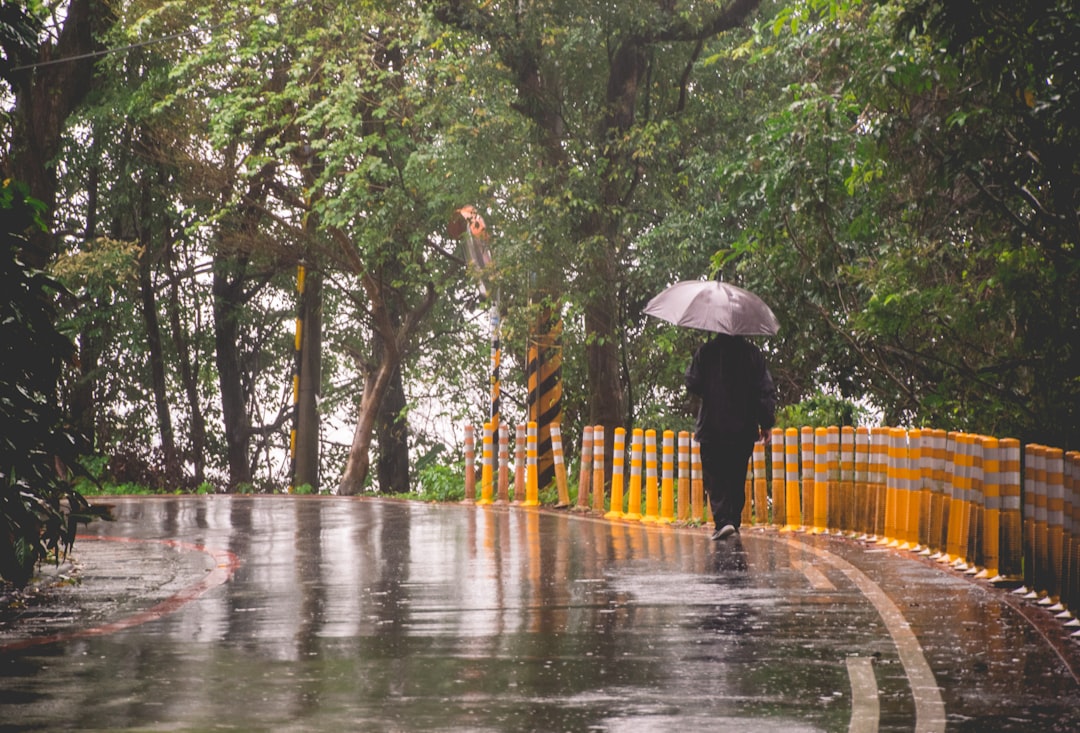
Leave extra time so rain does not turn every journey into an emergency. Keep a compact kit with a waterproof bag cover, tissues, a dry pair of socks, a phone pouch and any essential medication. Check official weather and transport updates before leaving, especially where roads commonly flood. Never walk or drive into moving floodwater when depth and road condition are uncertain. If remote work is possible, agree on weather-related expectations before the worst day arrives. A calmer commute begins with permission to change the plan. Arriving later and safely is better than taking avoidable risks to preserve an ordinary schedule.
Conclusion
Monsoon comfort comes from many small adjustments rather than one perfect solution. A managed entrance, better airflow, safe food and water, flexible exercise and realistic travel plans protect both health and patience. Local conditions vary, so follow weather, flood and public-health guidance in your area. The season can still include pleasure: cooler evenings, refreshed plants, shared meals and the sound of rain. When practical systems handle the mess and uncertainty, there is more room to notice those benefits.