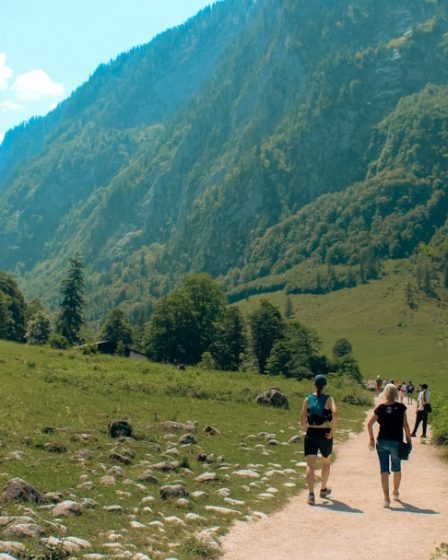
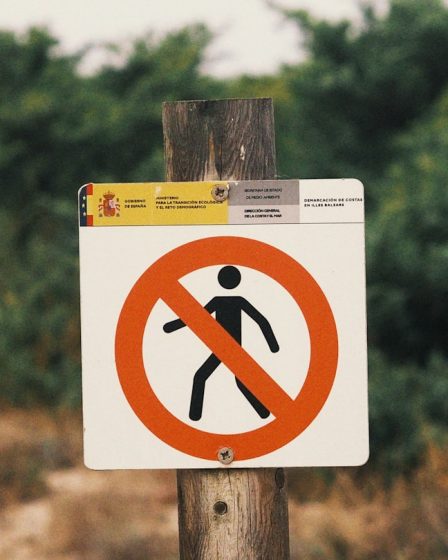
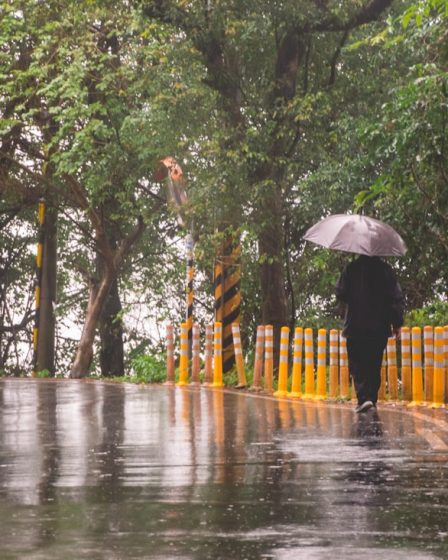
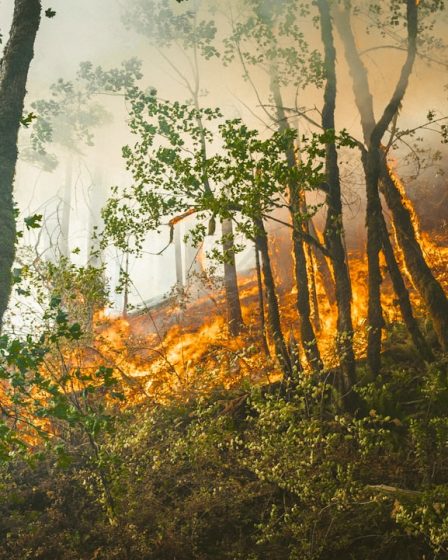
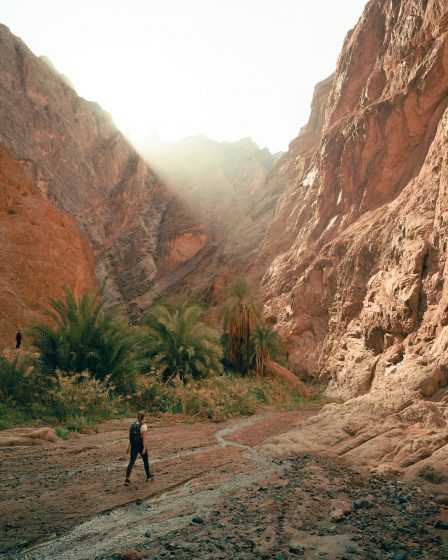
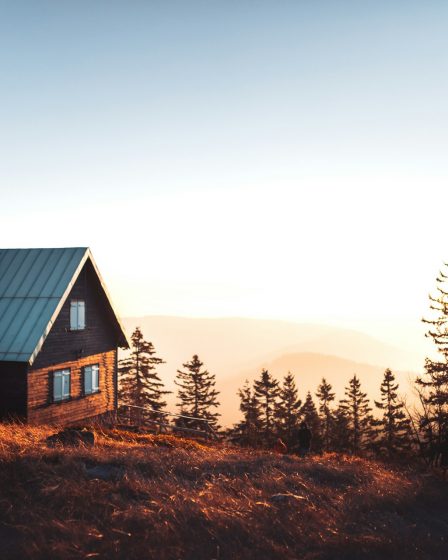
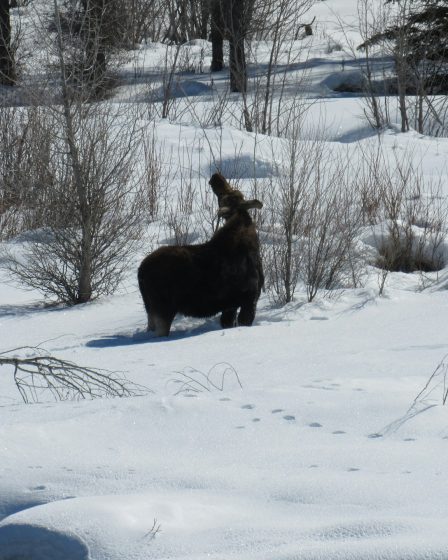
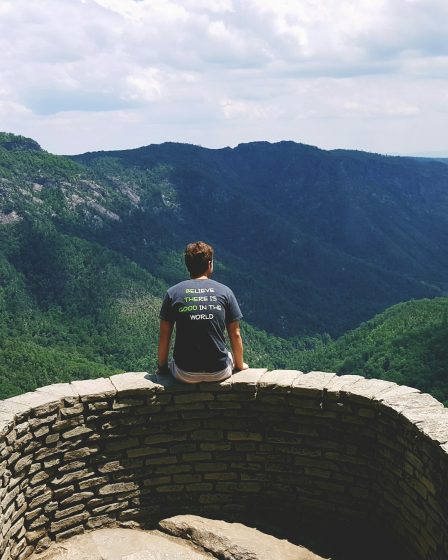
Walking alone can provide quiet, independence and a strong connection with the landscape. It also means that small problems, such as a wrong turn, twisted ankle or dead phone, require more self-reliance. Search and rescue stories sometimes lead people either to avoid nature entirely or to assume that emergencies happen only to reckless adventurers. Most outdoor safety comes from ordinary preparation rather than specialist equipment. The right plan depends on terrain, weather, experience and remoteness, but several habits are useful almost everywhere. The purpose is not to remove uncertainty. It is to make a manageable outing less likely to become a serious incident.
nature
What to Do When a Snake, Raccoon or Other Wild Animal Appears Near Home
An unexpected wild animal near a doorway, garden, street or pet area can trigger immediate fear and curiosity. People may crowd around, reach for a camera, attempt a rescue or try to chase the animal away. Those reactions can increase risk for both humans and wildlife. Most encounters are resolved more safely by creating distance, controlling pets and giving the animal a clear route to leave. The correct response depends on species, location and whether the animal is injured, trapped or behaving unusually. Local wildlife authorities remain the best source for specific guidance, especially where venomous animals or rabies are possible.
A Practical Monsoon Routine for Health, Energy and a More Comfortable Home
Monsoon rain can bring relief from heat, replenish water and change the rhythm of a city or village almost overnight. It can also create damp rooms, difficult commutes, muddy shoes, insects and long stretches indoors. The season feels easier when daily routines are adjusted instead of maintained as though the weather has not changed. A useful monsoon plan does not require expensive products or rigid rules. It focuses on dry clothing, safe food and water, comfortable movement, sensible travel choices and a home that can recover between showers. These small systems reduce irritation and leave more energy for work, family and rest.
Stargazing as a Simple Way to Slow Down and Reconnect With Nature
A meteor shower or unusual object in the night sky can suddenly remind thousands of people to look up. Stargazing is accessible because it requires little equipment, yet it offers something increasingly rare: an activity that rewards patience rather than speed. You may wait twenty minutes and see nothing dramatic, then notice a satellite, a bright planet or the gradual appearance of more stars as your eyes adjust. The point is not to become an expert astronomer. It is to spend time outdoors with attention directed beyond immediate tasks and screens. With a little preparation, the experience can be comfortable, safe and genuinely restorative.
How to Protect Your Well-Being During Wildfire Smoke and Poor Air Quality
Wildfire smoke can travel far beyond the flames that produced it, turning an ordinary summer day into a period of hazy skies, closed windows and disrupted routines. Even people who are not close to a fire may find that outdoor exercise feels uncomfortable or that the air inside their home seems stale. The most useful response is neither panic nor indifference. It is a practical plan that reduces exposure, keeps the household comfortable and makes room for normal life. Air quality alerts are temporary, but the habits used during them can also improve how prepared you feel for future heat, storms and other environmental disruptions.
Tiny Living, Big Adventures: Exploring Small-Scale Wilderness Cabins
In an age where the average home size continues to grow, a countermovement has taken root, championing the joys and benefits of tiny living. This movement isn’t just about downsizing; it’s about embracing a lifestyle that prioritizes simplicity, sustainability, and connection with nature. One of the most alluring manifestations of this ethos is the small-scale wilderness cabin. These compact dwellings offer their inhabitants a unique blend of adventure, solitude, and comfort, allowing for immersive experiences in some of the world’s most breathtaking landscapes. This article delves into the appeal of tiny living in the wilderness, exploring how these cabins can transform our relationship with nature and lead to big adventures.
Mindful Movement: Harmonious Navigation Through Nature’s Realm
In recent years, the concept of mindfulness has permeated various aspects of our lives, offering a pathway to a more centered and thoughtful existence. This philosophy of being present in the moment and aware of one’s thoughts and surroundings has found a natural ally in outdoor activities. As humans seek connection with nature, it becomes increasingly important to engage with the environment in a way that is both respectful and harmonious. In this article we have tried to cover the art of mindful movement through nature, emphasizing how we can navigate our planet’s diverse ecosystems without disturbing its inhabitants.
Creating Bird-Friendly Spaces: Attracting Avian Visitors to Your Backyard
The sound of a songbird’s melody in the morning or the sight of vibrant plumage against the backdrop of your garden can be a delightful experience for any homeowner. Birds are not just passive observers of our daily lives; they play a crucial role in the ecosystem as pollinators, seed dispersers, and pest controllers. However, urbanization, habitat loss, and environmental pollution have significantly impacted avian populations worldwide. Thankfully, individuals can make a tangible difference by creating bird-friendly spaces in their own backyards. This comprehensive guide will explore the myriad ways you can attract and support a diverse array of birds, transforming your outdoor space into a sanctuary for these feathered friends.
Aesthetics of Off-Grid Cabins
Off-grid cabin aesthetics represent a harmonious blend of functionality, sustainability, and personal expression that aligns with the natural environment. These structures are not just shelters but manifestos of a lifestyle that values self-sufficiency, minimal environmental impact, and a deep connection with nature. In this article, we will explore how off-grid cabins can achieve a balance between blending into their surroundings and expressing the owner’s personal style, all while promoting a sustainable way of living.
Mammal Tracking 101: Following Footprints and Signs Without Intrusion
Mammal tracking is an art that combines observational skills, ecological knowledge, and a respectful approach to wildlife observation. It allows us to understand the behavior, habitat use, and even the health of mammalian species without the need for intrusive methods. This practice is invaluable for researchers, conservationists, and enthusiasts alike. In this comprehensive guide, we will explore the fundamentals of mammal tracking, including how to identify signs, interpret footprints, and follow trails ethically and effectively.
The Joy of Silent Observation: Finding Peace and Connection in Nature Without Disruption
In a world where constant noise and digital distractions dominate our lives, there is an almost forgotten practice that offers profound peace and a deep connection with nature: the art of silent observation. This practice invites us to step out of the frenetic pace of modern life and into the quiet embrace of the natural world. It is a simple yet powerful act that can lead to profound insights and a sense of well-being that only silence can bring. In this article, we will explore the benefits of silent observation, how it can be practiced, and why it is more important than ever in our fast-paced, connected age.
Broken Heart: 10 Mindful Ways to Overcome Heartache After a Breakup
Breakups can be emotionally challenging, leaving us feeling heartbroken and adrift. During this vulnerable time, it’s crucial to approach healing with mindfulness and self-compassion. Mindfulness invites us to be present with our emotions, allowing us to acknowledge the pain while nurturing our hearts back to wholeness.
Discovering Mindful Bliss: Embrace Serenity with Mindful Walking in Salvador, Brazil
Salvador, Brazil, with its vibrant culture and stunning natural beauty, offers a perfect setting for immersing oneself in the practice of mindful walking. This ancient practice of moving meditation allows you to explore the city’s enchanting landscapes while cultivating a deep sense of presence and connection