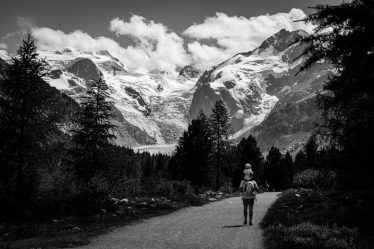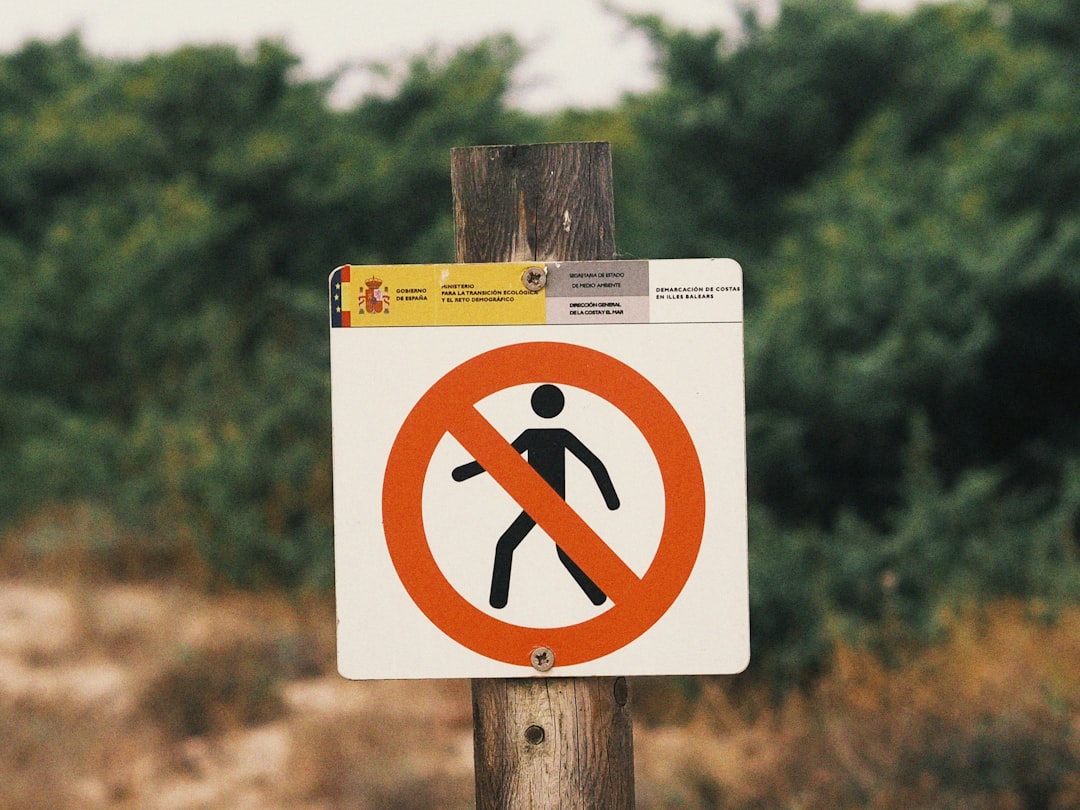
Cover photo by Christian Mai
Walking alone can provide quiet, independence and a strong connection with the landscape. It also means that small problems, such as a wrong turn, twisted ankle or dead phone, require more self-reliance. Search and rescue stories sometimes lead people either to avoid nature entirely or to assume that emergencies happen only to reckless adventurers. Most outdoor safety comes from ordinary preparation rather than specialist equipment. The right plan depends on terrain, weather, experience and remoteness, but several habits are useful almost everywhere. The purpose is not to remove uncertainty. It is to make a manageable outing less likely to become a serious incident.
Match the route to current ability, not past identity
Choose distance, elevation and terrain based on how you feel now. Fitness from several years ago, confidence from a familiar urban route or enthusiasm after watching experienced hikers online may not transfer to an unfamiliar trail. Read recent route information and note difficult junctions, water crossings and areas without phone coverage. Allow enough daylight and include time for breaks. Turning back is a valid decision, especially when weather, pain or navigation differs from expectations. A shorter completed route usually offers more enjoyment than an ambitious day dominated by worry.
Tell someone the specific plan
Share the route, starting point, expected finish time, transport details and the time at which they should take action if you have not checked in. Saying that you are going hiking somewhere nearby is not enough. Send a map link or written itinerary. Explain whom to contact and when. Remember to report that you are safely back so unnecessary concern does not build. In remote areas, consider a satellite communicator or personal locator beacon, understanding how it works before the trip. Technology is most useful when combined with a clear contact plan.
Carry essentials for delay, not just the ideal schedule
Even a short walk can last longer than expected. Bring water, food, weather protection, a charged phone, basic first aid, a light source and any necessary medication. Navigation should not rely entirely on one phone application. Download offline maps and consider a paper map and compass for routes where they are appropriate, while learning how to use them. Clothing should reflect changing conditions rather than the weather at the car park. A small emergency layer can make an unexpected wait far safer.
Make navigation decisions early
People often continue after becoming uncertain because turning back feels like admitting failure. Stop as soon as the route no longer matches the map or landscape. Check the last known location, visible features and direction of travel. Avoid wandering in several directions while looking for the trail, which makes your position harder to reconstruct. If lost, remaining in a safe location may be better than continuing, depending on conditions and professional guidance. Use emergency services when there is genuine risk rather than waiting until battery, daylight and warmth are nearly gone.
Respect heat, cold and changing weather
Weather affects judgment as well as comfort. Heat can cause fatigue and poor decisions, while wind and rain can lower body temperature quickly. Check a reliable local forecast for the specific area, not only the nearest city. Watch the sky and turn around when conditions deteriorate. Start early during hot periods and avoid exposed routes during storms or extreme heat. In cold conditions, keep insulating layers dry. If official authorities close a trail or issue warnings, treat that information as part of the route, not as a challenge.
Respond to injury without rushing
After a fall or sudden pain, pause and assess before trying to continue. Check for bleeding, head injury, severe pain, inability to bear weight and signs of shock. Moving quickly can worsen some injuries. Call for help when necessary and provide your location as accurately as possible. Conserve phone battery and follow instructions from emergency personnel. Basic first-aid training can increase confidence, but it does not replace rescue services. When an incident ends safely, review what happened without shame so the next outing benefits from the experience.
Conclusion
Solo walking can remain a peaceful and rewarding activity when independence is supported by preparation. Select a realistic route, share a detailed plan, carry enough for delays and make early decisions when navigation or weather changes. Safety does not require imagining disaster at every turn. It means creating enough margin that an ordinary mistake, slower pace or unexpected shower stays manageable rather than becoming an emergency.