Guide To Inner Harmony

Showing: 1 - 4 of 4 RESULTS
a blue field with trees and clouds in the background
Body Environment Productivity Relationships

El Niño Without the Alarmism: How to Use Seasonal Forecasts in Everyday Life

Terms such as El Niño often move from weather reports into everyday conversation long before most people are clear about what they mean for their own town. A seasonal climate pattern can influence the likelihood of particular weather conditions across large regions, but it does not provide a precise script for every week ahead. That distinction matters. Seasonal forecasts can be useful for farmers, emergency planners, energy systems and households, yet they can also encourage exaggerated expectations when every hot day, storm or dry week is attributed to one global pattern. For ordinary life, the best use of a seasonal outlook is modest: understand the broad tendency for your region, prepare for plausible conditions and continue checking shorter-range forecasts for actual plans. Climate agencies and local weather services should remain the source of current information because impacts vary by location and season.
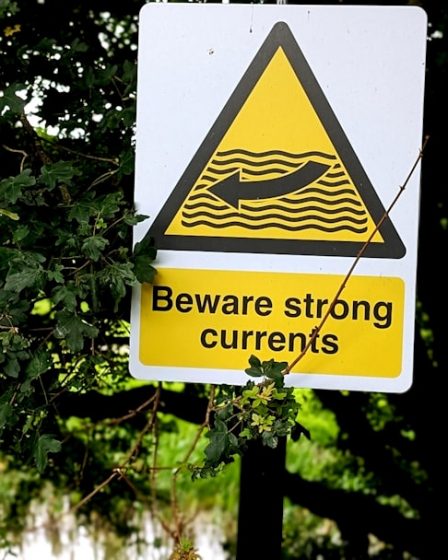
Warning sign for strong currents near water
Environment Mind Nutrition Relationships

Flash-Flood Warnings: A Calm Plan for Sudden Heavy Rain

Flash-flood warnings are unsettling because they describe a hazard that can develop quickly. A road that was passable earlier may become unsafe, a normally small stream can rise rapidly and familiar low-lying areas may collect water faster than expected. The right response is neither to ignore every warning because past storms caused little trouble nor to spend hours watching dramatic videos from other places. What matters is understanding the risk around your own location and acting on official local instructions. Flood behaviour varies greatly by terrain, drainage and rainfall, so general information cannot replace emergency guidance for your area. Still, a simple household plan can reduce last-minute decisions. Know the places you should avoid, keep essential information accessible, and make transport choices conservatively when water starts appearing where it should not be.

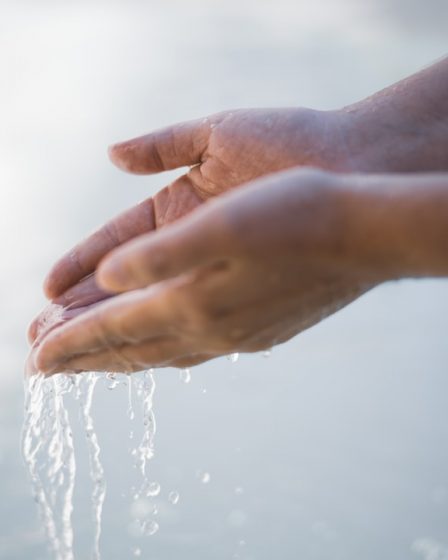
a close-up of hands shaking
Body Environment Mind

How to Feel Better During Very Dry Weather

A spell of unusually dry weather can affect much more than the garden. Low humidity often makes everyday life less comfortable, especially when warm temperatures, dust and long hours in air-conditioned rooms are added to the picture. Skin may feel tighter, eyes can become irritated, and exercise outdoors may feel harder than expected. Dry conditions can also make a home feel stuffy even when the temperature is reasonable. The useful response is rarely to overhaul your routine. A handful of small adjustments to hydration, indoor air, exercise and personal care can make dry periods noticeably easier to live through. The aim is not to chase a perfect humidity number or worry about every physical sensation. It is to notice what the environment is asking of you and reduce unnecessary strain while conditions remain dry.

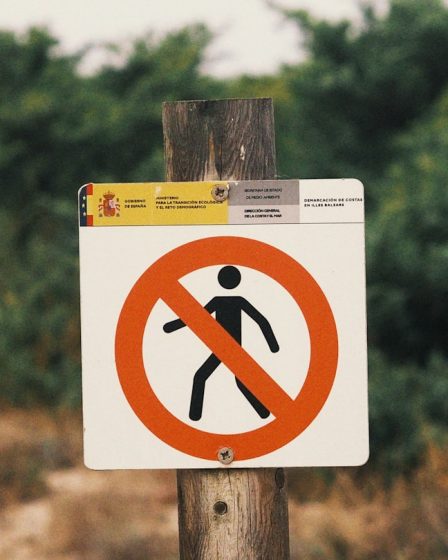
No walking sign, prohibiting pedestrian access.
Body Creativity Environment

A Practical Safety Plan for Solo Walks and Hikes

Walking alone can provide quiet, independence and a strong connection with the landscape. It also means that small problems, such as a wrong turn, twisted ankle or dead phone, require more self-reliance. Search and rescue stories sometimes lead people either to avoid nature entirely or to assume that emergencies happen only to reckless adventurers. Most outdoor safety comes from ordinary preparation rather than specialist equipment. The right plan depends on terrain, weather, experience and remoteness, but several habits are useful almost everywhere. The purpose is not to remove uncertainty. It is to make a manageable outing less likely to become a serious incident.