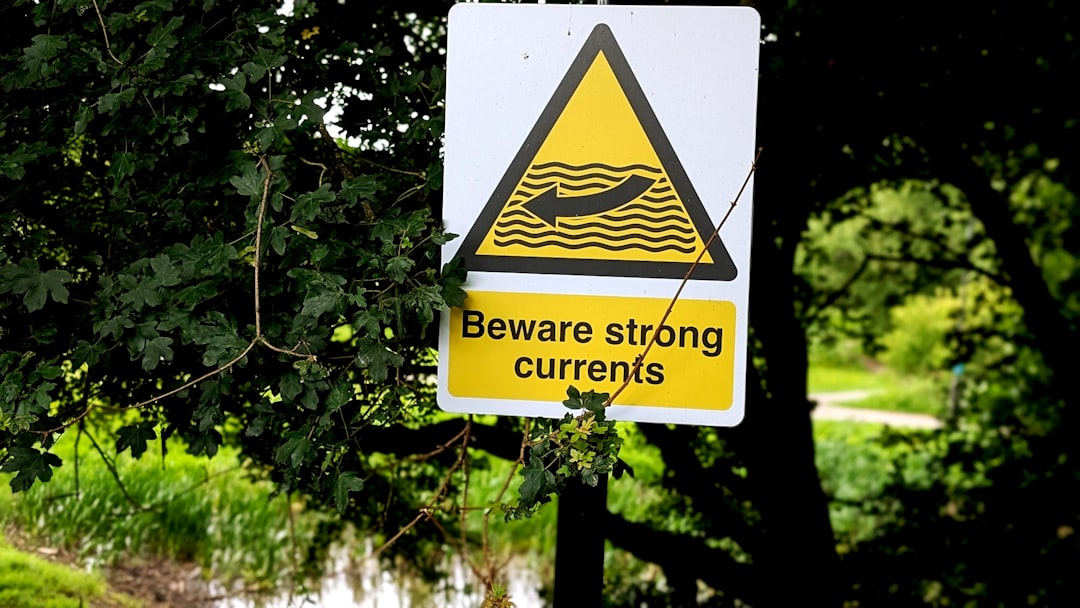
Cover photo by Pixel Shot
Flash-flood warnings are unsettling because they describe a hazard that can develop quickly. A road that was passable earlier may become unsafe, a normally small stream can rise rapidly and familiar low-lying areas may collect water faster than expected. The right response is neither to ignore every warning because past storms caused little trouble nor to spend hours watching dramatic videos from other places. What matters is understanding the risk around your own location and acting on official local instructions. Flood behaviour varies greatly by terrain, drainage and rainfall, so general information cannot replace emergency guidance for your area. Still, a simple household plan can reduce last-minute decisions. Know the places you should avoid, keep essential information accessible, and make transport choices conservatively when water starts appearing where it should not be.
Learn where water tends to collect
The useful question during heavy rain is not only how much rain is falling, but where that water will go. Low roads, underpasses, river crossings, drainage channels and basements can become problematic before higher areas do. Look at local flood or hazard maps when they are available and pay attention to places that authorities repeatedly mention during storms. Think through your normal routes to work, school and home. If one of them crosses a flood-prone section, identify an alternative before conditions become bad. People living near rivers, steep slopes or drainage channels may have additional risks and should follow local preparedness advice. Knowing the geography reduces the temptation to make decisions based solely on what the weather looks like through one window. A quiet street does not necessarily mean every road nearby is equally safe.
Treat official warnings as decision tools
Weather warnings are most useful when they lead to a clear action. Decide which official sources you will follow, such as a national weather service, local emergency authority or municipality. Turn on relevant alerts if they are available. When a warning is issued, read what area it covers and what behaviour is recommended rather than relying on the headline alone. If authorities advise evacuation or tell people to avoid certain roads, follow that guidance. Do not wait for social media to reach a consensus. Conditions can differ even within the same city or region, so images from another neighbourhood may not describe your situation. Checking reliable updates at reasonable intervals is sensible. Constantly refreshing multiple sources when no new action is required usually adds stress without improving preparedness.
Do not drive through floodwater
Water across a road can hide damaged pavement, debris, strong current or a depth that is difficult to judge from inside a car. If a route is flooded, turn around and use another road rather than testing whether your vehicle can get through. This is especially important at night, when depth and current are harder to see. The same caution applies on foot. Fast-moving water can be more powerful than it appears, and submerged surfaces may be uneven. Plan errands and commuting around the possibility of road closures when heavy rain is expected. Leaving earlier is not always the safest choice if that means travelling during the worst conditions. Sometimes staying where you are until authorities say routes are safer is the better option. Local instructions should guide the decision.
Protect essentials before the rain is at its worst
If flooding is plausible where you live, store important documents, medications, chargers and other essential items somewhere reasonably protected and accessible. Charge phones and power banks before severe weather arrives. Move valuable or difficult-to-replace objects away from basement floors or other areas that have flooded before. Keep basic food and drinking water available in case travel becomes inconvenient for a short period. People who rely on electrically powered medical equipment or mobility support may need a more specific plan. These preparations do not require turning the house into an emergency warehouse. The point is to remove a few predictable problems while conditions are still calm. If authorities recommend evacuation, having essentials ready makes leaving easier and reduces the temptation to delay while gathering belongings.
Let the nervous system come down afterwards
Sudden weather events can leave people tense even when their own home is unaffected. Once warnings are lifted and local authorities indicate that normal movement is safe, complete the necessary checks and then reduce the flow of alarming information. Contact family, inspect the property carefully and document damage if required, but avoid spending the rest of the evening repeatedly watching footage of flooding elsewhere. If the event exposed a weakness in your plan, write it down for later. Perhaps you need a different route, a better place for documents or a clearer way to receive alerts. Making one practical improvement helps convert the experience into preparedness. If your community has experienced serious damage, recovery may take much longer, and support from local services and neighbours becomes more important than maintaining a normal routine immediately.
Conclusion
Flash floods deserve respect precisely because they can develop quickly. The most calming preparation is concrete: know which nearby places are vulnerable, follow official warnings, avoid flooded roads and move essential items before conditions deteriorate. Once the immediate risk is over, step away from the stream of dramatic updates and review what would make the next event easier. Preparedness is not about staying alarmed. It is about making fewer uncertain decisions when the rain is at its worst.