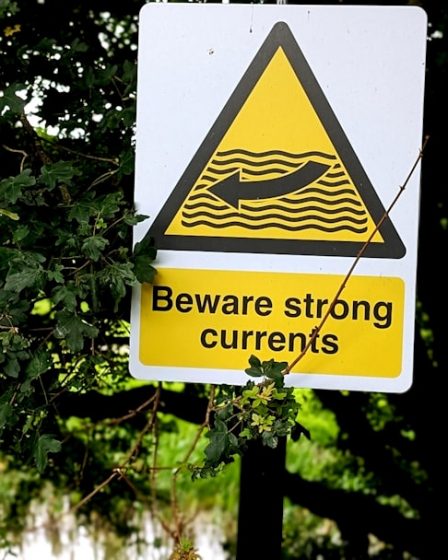
Flash-flood warnings are unsettling because they describe a hazard that can develop quickly. A road that was passable earlier may become unsafe, a normally small stream can rise rapidly and familiar low-lying areas may collect water faster than expected. The right response is neither to ignore every warning because past storms caused little trouble nor to spend hours watching dramatic videos from other places. What matters is understanding the risk around your own location and acting on official local instructions. Flood behaviour varies greatly by terrain, drainage and rainfall, so general information cannot replace emergency guidance for your area. Still, a simple household plan can reduce last-minute decisions. Know the places you should avoid, keep essential information accessible, and make transport choices conservatively when water starts appearing where it should not be.
plan
Debt Stress and a Workable First Plan
This topic reflects a practical question – how should an ordinary person respond without overreacting? Debt stress can influence attention, mood, household planning and the way people speak to one another. The challenge is to respond thoughtfully without turning uncertainty into panic or a temporary interest into another demanding self-improvement project. A practical approach asks what matters now, what can wait and which source of guidance is appropriate. It also leaves room for differences in age, health, income, culture and personal experience.
A Calm Hurricane Preparation Plan for People Who Tend to Worry
Hurricane forecasts can create two problems at once. There is the storm itself, and there is the stream of maps, alerts, dramatic videos and changing predictions that arrives before it. Preparation is essential when a tropical system may affect your area, but constant monitoring does not make a household safer. A good plan turns uncertainty into a sequence of manageable tasks. It also distinguishes between actions that protect life and property and habits that only increase anxiety. Local emergency guidance should always lead, because risk varies by location, building type, flood zone and the strength and path of the storm.