AI tools can make everyday work faster. They can summarise documents, suggest wording, generate ideas, organise notes and help people begin tasks that otherwise feel blank or repetitive. The risk is not that using AI automatically makes someone less capable. It is that convenience can gradually move from assisting thought to replacing it, especially when the tool produces confident text before you have formed your own view. A balanced approach treats AI as a collaborator for selected parts of a task while keeping judgement, responsibility and important decisions with the person using it. This matters at work, in study and in creative projects. The goal is not to prove that every thought must be generated without assistance. It is to preserve the parts of thinking that actually build understanding.
Creativity
mindfulness in art, music, dance, writing, and other creative activities
How to Enjoy a Sale Without Buying Things You Never Planned to Own
Sales create a strange form of urgency. A product that seemed unnecessary yesterday can suddenly feel financially responsible because the price has been reduced. Limited-time banners, countdown clocks and low-stock messages add pressure, even when the purchase itself is entirely optional. Discounts can genuinely save money when they apply to something you already intended to buy. They become less useful when the sale changes the shopping list rather than the price. The goal is not to avoid every promotion or insist on paying full price. It is to keep the original purpose of the purchase visible while marketing is trying to replace it with the excitement of getting a deal.
Second-Hand Style: How to Shop Charity Stores Without Buying More Clutter
Second-hand shopping can be inexpensive, creative and environmentally appealing, but it has its own version of impulse buying. A low price can make an item feel automatically sensible, especially when it is unique and may not be there tomorrow. The result can be a wardrobe full of bargains that rarely get worn. Charity shops, thrift stores and resale platforms work best when the hunt remains part of the pleasure without replacing ordinary judgement. You can experiment with colours, formalwear, vintage pieces and unfamiliar brands at lower cost than buying new, while also extending the useful life of clothing. The key is to remember that a five-euro garment still needs space, care and a role in your life. Cheap is not the same as useful.
Dry Eyes and Screen Time: Small Comfort Changes That Can Help
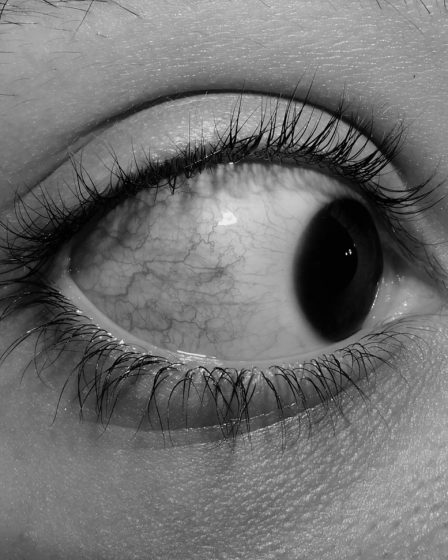
Long hours on laptops and phones can leave the eyes feeling tired, gritty or dry, especially in air-conditioned offices, heated rooms or periods of low humidity. These sensations are common, but they can have many causes, including contact lenses, environment, medication and underlying eye conditions. General comfort measures can be useful for mild, occasional irritation, but persistent pain, significant redness, vision changes or worsening symptoms need professional assessment rather than repeated self-treatment. The practical goal for an ordinary screen-heavy day is not to eliminate every sensation or buy a drawer full of eye products. It is to reduce avoidable strain by changing how you use screens, how air moves around your workspace and when you give your eyes a break.

Trend-Driven Shopping: How to Enjoy Fashion Without Constant Buying
Fashion trends can be genuinely fun. A particular haircut, shoe, colour or silhouette appears everywhere and suddenly makes familiar clothes look different. The difficulty is that online trend cycles move much faster than most wardrobes need to. What feels essential this month may be replaced by another aesthetic before the purchase has been worn five times. Avoiding that cycle does not require rejecting fashion or building a wardrobe entirely from timeless neutral basics. It requires separating enjoyment from automatic acquisition. You can follow style, experiment with appearance and occasionally buy something trend-driven while still maintaining a wardrobe that fits your budget, storage space and everyday life. The most useful question is not whether an item is trendy. It is whether the trend offers something you will actually enjoy wearing once the novelty has faded.
Low-Cost Air Travel Without the Usual Stress Spiral
Low-cost airlines have made short international trips possible for many people who would otherwise travel less, but the cheap headline fare can come with a complicated set of decisions. Baggage dimensions, airport transfers, seat selection, check-in rules and optional extras can turn a simple booking into an exercise in avoiding mistakes. None of this means budget airlines are inherently stressful. They work well when you understand that the product is transportation with fewer inclusions, not a discounted version of every full-service experience. The calmest approach is to calculate the real trip cost, pack deliberately and remove unnecessary airport decisions before departure. A twenty-euro ticket is not a bargain if reaching the airport costs more than the flight or a baggage fee appears because you misunderstood the rules. Equally, paying for one useful extra can be better value than spending the entire journey protecting the cheapest possible fare.
Volunteering Without Burnout: Finding a Sustainable Way to Help
Volunteering can add purpose, new relationships and useful variety to a week. It can also become another source of obligation if enthusiasm leads you to promise more time than you realistically have. Charities and community groups benefit most from volunteers who can contribute reliably, and volunteers benefit when helping others fits alongside work, family, health and rest. That makes sustainability more valuable than intensity. You do not need to spend every weekend at events or accept every request in order to make a meaningful contribution. Some people thrive in regular face-to-face roles, while others are better suited to occasional projects or professional skills they can offer remotely. The right form of volunteering is partly about the cause and partly about the structure. A role that matches your capacity is more likely to remain rewarding instead of gradually becoming something you dread.
The Case for Slow Looking: How an Art Exhibition Can Become a Real Break
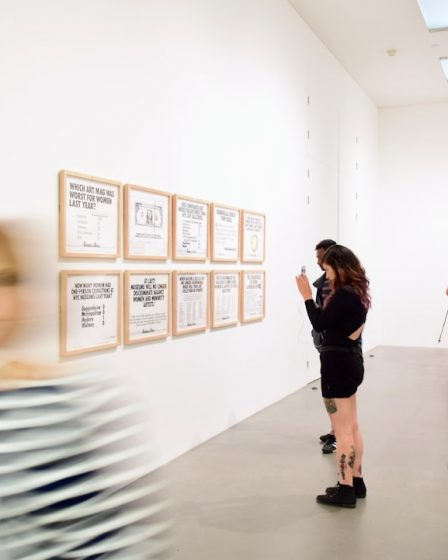
Popular exhibitions can turn art into another form of speed. Visitors move from famous painting to famous painting, photograph the label, check the time and leave with the strange feeling that they have completed something rather than experienced it. Slow looking offers a different approach. Instead of trying to see everything, you deliberately spend longer with fewer works. The practice requires no art-history expertise and no special ability to interpret symbolism. It simply asks you to give visual attention enough time to develop. A painting that seems straightforward in the first ten seconds may reveal unusual light, awkward proportions, tiny gestures or changes in mood after several minutes. This can make a museum visit more absorbing and less tiring. When exhibitions around artists such as Vermeer draw renewed attention to museum-going, the useful lesson is not that everyone must appreciate a particular painter. It is that looking carefully can itself be a satisfying form of leisure.
The 72-Hour Reset After an Overwhelming Week
A three-day personal reset can influence attention, mood, household planning and the way people speak to one another. The challenge is to respond thoughtfully without turning uncertainty into panic or a temporary interest into another demanding self-improvement project. A practical approach asks what matters now, what can wait and which source of guidance is appropriate. It also leaves room for differences in age, health, income, culture and personal experience.
Birdsong as a Daily Reset
Birdsong and everyday nature can influence attention, mood, household planning and the way people speak to one another. The challenge is to respond thoughtfully without turning uncertainty into panic or a temporary interest into another demanding self-improvement project. A practical approach asks what matters now, what can wait and which source of guidance is appropriate. It also leaves room for differences in age, health, income, culture and personal experience.
A Practical Safety Plan for Solo Walks and Hikes
Walking alone can provide quiet, independence and a strong connection with the landscape. It also means that small problems, such as a wrong turn, twisted ankle or dead phone, require more self-reliance. Search and rescue stories sometimes lead people either to avoid nature entirely or to assume that emergencies happen only to reckless adventurers. Most outdoor safety comes from ordinary preparation rather than specialist equipment. The right plan depends on terrain, weather, experience and remoteness, but several habits are useful almost everywhere. The purpose is not to remove uncertainty. It is to make a manageable outing less likely to become a serious incident.
How to Enjoy Cooking Shows Without Turning Food Into a Competition
Cooking competitions can be absorbing television. They combine creativity, time pressure, appealing food and the suspense of judging. They can also subtly change how viewers think about ordinary meals. A weekday dinner may begin to look inadequate beside a carefully plated dish created with specialist equipment and edited into a dramatic hour. Some viewers feel inspired to cook, while others become intimidated, dissatisfied with their skills or preoccupied with whether food is impressive enough. A balanced approach keeps the entertainment and useful ideas while remembering that home cooking serves a different purpose. Most meals do not need to surprise judges. They need to nourish people, fit the budget, use the time available and create a reasonably pleasant part of the day.
What Space Launches Can Teach Us About Sustainable Ambition
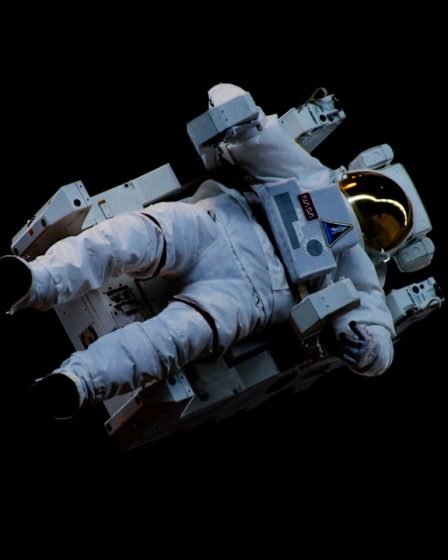
A rocket launch compresses years of work into a few highly visible minutes. The countdown, ignition and ascent make achievement look sudden, even though the real story includes design reviews, repeated tests, delayed schedules, failed components and long stretches of work that attract little public attention. This contrast makes space launches a useful lens for personal ambition. Many people want to complete a degree, build a business, change careers, improve their health or create something meaningful, but they compare their daily progress with someone else’s launch moment. That comparison can make steady effort feel insignificant. Sustainable ambition treats a large goal as a system rather than a dramatic act of willpower. It combines direction with patience, measurement with recovery and confidence with a willingness to revise the plan. The result is not smaller aspiration. It is a better chance of staying engaged long enough to reach something difficult.
How to Choose What to Watch When Streaming Options Feel Endless
A new week of streaming releases can create an odd form of fatigue. You open several services, scroll past hundreds of titles, watch trailers, check ratings and eventually return to something familiar or give up. Entertainment is supposed to help us rest, yet unlimited choice can turn an evening into another decision-making task. The answer is not to optimize every minute of leisure. It is to create enough structure that watching becomes enjoyable again. A few simple limits can reduce subscription costs, protect sleep and make room for films and series that genuinely suit your mood and attention.
How to Follow Celebrity News Without Letting It Take Over Your Attention
Celebrity news can be harmless entertainment, a shared topic with friends and a brief break from demanding responsibilities. It can also become a stream of relationship rumors, health speculation, private photographs and outrage that occupies more attention than it deserves. The problem is not simply liking popular culture. It is losing track of how the content affects mood, time and the way we think about real relationships. A healthier approach keeps entertainment enjoyable while maintaining boundaries around privacy, comparison and compulsive checking. Those boundaries are useful whether the story concerns an actor, athlete, musician, influencer or public family.