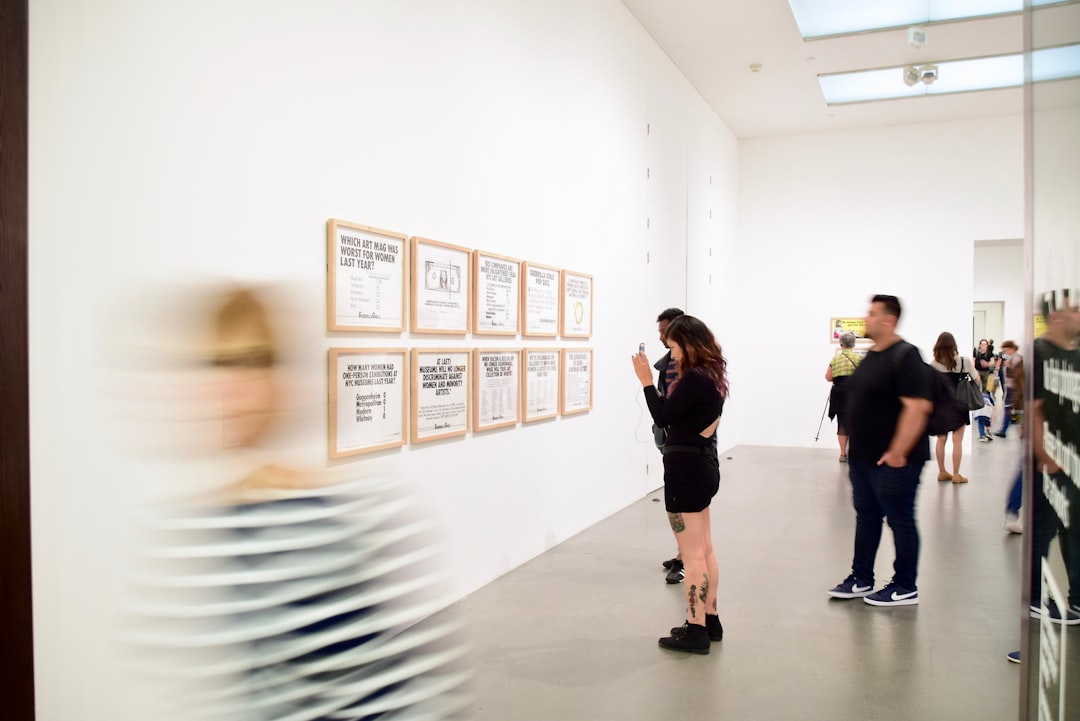
Cover photo by iSAW Company
Popular exhibitions can turn art into another form of speed. Visitors move from famous painting to famous painting, photograph the label, check the time and leave with the strange feeling that they have completed something rather than experienced it. Slow looking offers a different approach. Instead of trying to see everything, you deliberately spend longer with fewer works. The practice requires no art-history expertise and no special ability to interpret symbolism. It simply asks you to give visual attention enough time to develop. A painting that seems straightforward in the first ten seconds may reveal unusual light, awkward proportions, tiny gestures or changes in mood after several minutes. This can make a museum visit more absorbing and less tiring. When exhibitions around artists such as Vermeer draw renewed attention to museum-going, the useful lesson is not that everyone must appreciate a particular painter. It is that looking carefully can itself be a satisfying form of leisure.
Stop treating the museum like a checklist
Before entering an exhibition, decide that you are allowed to miss things. This sounds obvious, yet many visitors behave as though every room must be completed because the ticket has been paid for. Large exhibitions are physically and mentally demanding. Reading every label, listening to a complete audio guide and trying to remember dozens of works can turn curiosity into fatigue. Choose a few pieces that genuinely attract you and spend more time there. If nothing in one room catches your attention, move on without guilt. You are not being tested. The museum exists for repeated visits, selective visits and personal responses as much as for comprehensive study. This approach is particularly useful when travelling, because a museum may already be only one part of a busy day. Seeing twenty works with attention can leave a stronger memory than rushing past two hundred while thinking about the next room.
Give one artwork five uninterrupted minutes
Five minutes can feel surprisingly long when you are accustomed to scrolling past images in seconds. Choose one work and simply look before reading the label. Notice where your eye goes first. Then examine the edges, background and areas that initially seemed unimportant. Look at posture, texture, colour, distance and the direction of light. Ask simple questions rather than trying to produce an expert interpretation. What seems to be happening? What feels still or tense? Which detail would you remember tomorrow? Only after this should you read the information provided by the museum. Sometimes the context changes your understanding, while sometimes your first impression remains more interesting to you. Neither outcome is a failure. Slow looking is not about discovering the correct answer. It is a way of keeping attention in one place long enough for your own observations to become more detailed.
Use conversation instead of expertise
Museums can be excellent places for conversation because an artwork gives two people something external to discuss. If you are visiting with a partner, friend or child, try asking what they noticed first rather than explaining what the work means. Different observations can reveal how differently people look at the same scene. One person may focus on facial expressions while another sees colour or architecture. Children often notice details adults ignore because they have fewer expectations about what is supposed to be important. Avoid turning every painting into a lesson. A simple question such as which work would you take home if you could can create a lively discussion without requiring anyone to know the artist’s biography. Museums become more relaxing when knowledge is treated as an invitation rather than a hierarchy. You can learn something and still allow humour, disagreement and personal taste to shape the visit.
Build pauses into the visit
Museum fatigue is real in the ordinary sense that standing, walking, reading and concentrating for hours is tiring. Use benches. Get a drink. Spend ten minutes looking through a window or sitting in a courtyard rather than immediately entering the next gallery. If the museum allows re-entry, consider leaving for lunch and returning later. These pauses protect attention. They also make the visit feel less like a cultural obligation and more like a day you have chosen to enjoy. People who are sensitive to noise or crowds may prefer quieter opening hours or smaller galleries. If a blockbuster exhibition is packed, slowing down may mean deliberately skipping congested works rather than fighting for a position in front of them. The point is not to achieve perfect tranquillity. It is to create enough breathing room that you remain receptive instead of becoming increasingly impatient.
Carry the habit beyond museums
Slow looking can be used almost anywhere. Spend several minutes examining a building you walk past every day, the view from a train window, a tree in a park or an object on your desk. Drawing is another useful extension even if you believe you cannot draw. The purpose is not to produce good art. Sketching forces you to notice proportions and relationships that casual looking misses. Photography can do the same when you limit yourself to one or two intentional pictures instead of documenting everything. These practices provide a useful counterweight to environments designed around rapid visual change. They do not require rejecting phones or social media. They simply remind you that attention can operate at more than one speed. Sometimes the most satisfying way to experience a beautiful object is to stay with it after the initial impulse to move on.
Conclusion
A museum visit does not have to be measured by the number of rooms completed. Slow looking makes permission to miss things part of the experience. Choose fewer works, give them real time, talk about what you notice and rest before attention becomes exhausted. You may leave having seen less in numerical terms but remembering considerably more. That is a useful model for leisure beyond museums too: depth can be restorative in ways that constant variety is not.