Cover photo by Christian Lue
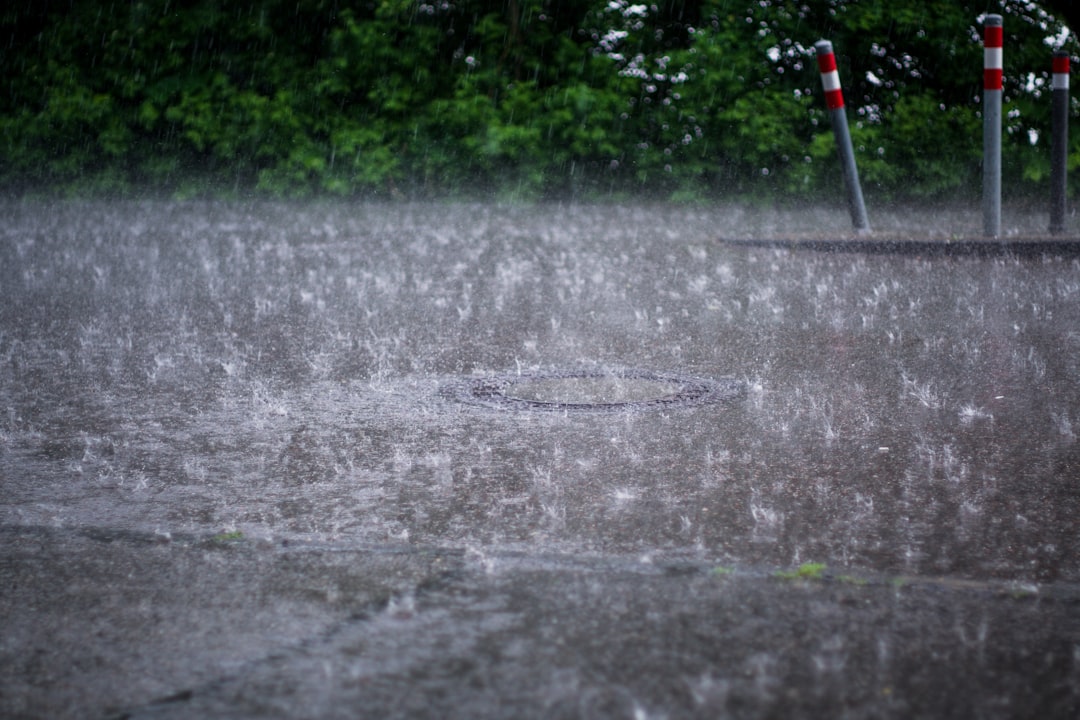
Heavy rain and typhoon warnings can produce an uncomfortable mixture of practical risk and psychological overload. Weather maps update repeatedly, phones deliver alerts and social media fills with dramatic footage from different locations. Some attention is necessary, particularly in places where flooding, landslides or high winds can develop quickly. Constant attention is not. The more useful goal is to prepare enough that you do not need to improvise when conditions deteriorate. Japan’s government guidance on heavy rain and typhoons emphasises acting before rain and wind become severe and using official warning levels to guide evacuation decisions. The same principle applies in many countries: know your local risks, know which official channels provide instructions and complete ordinary preparations early. Once those steps are done, repeatedly refreshing the forecast rarely makes you safer.
Know the risks around your actual home
National weather coverage can make every storm feel equally threatening, but practical risk is local. Learn whether your home, workplace or regular travel route is exposed to flooding, landslides, coastal conditions or other hazards relevant to your area. Local authorities often publish hazard maps and evacuation information. Identify the safest route to an appropriate shelter or higher ground if evacuation could be necessary, and consider how that route changes at night or in heavy rain. If you live with children, older relatives or pets, include their needs in the plan. This preparation is valuable precisely because it can be completed on an ordinary day. Japan’s recent public guidance notes that intense rain and typhoons can create flooding and landslide hazards and urges people to prepare before conditions become severe. Understanding your own location is more actionable than absorbing dramatic images from somewhere hundreds of kilometres away.
Prepare a small practical kit
Emergency preparation can become an expensive hobby if every recommendation leads to another specialised product. Start with essentials relevant to your household. Drinking water, food that can be eaten without complicated cooking, necessary medications, a flashlight, batteries or a charged power bank, basic first-aid supplies, hygiene items and important contact information cover many immediate needs. Keep some cash if electronic payment systems could be disrupted. People with infants, disabilities or medical equipment will have additional requirements. Store the most important items where they are easy to reach, not behind boxes in a storage area. Check them periodically rather than rebuilding the kit before every storm. Preparedness education in Japan places strong emphasis on knowing how to respond and practising evacuation, not merely collecting equipment. A useful kit supports a plan. It does not replace one.
Limit weather checking to useful moments
Information is valuable when it changes a decision. Decide which sources you trust and check them at sensible intervals, increasing attention when official alerts indicate that conditions are worsening. Avoid relying on viral clips or isolated social posts to determine what is happening in your own area. If you notice yourself opening several weather apps every few minutes, ask whether the newest information could realistically change what you do next. If the answer is no, step away. This is particularly useful in households with children, who can pick up on adult anxiety even when they do not understand the forecast. Calm does not mean pretending the weather is harmless. It means using reliable information to make decisions and then directing attention toward concrete tasks. Charge devices, bring outdoor objects inside, prepare food, check on someone who may need help, and allow the plan to do some of the worrying for you.
Make evacuation decisions early enough
A common mistake in severe weather is waiting for absolute certainty. By the time water is rising or winds are dangerous, travelling may be harder than it was when the warning first arrived. Learn how your local warning system works in advance. In Japan, current government guidance explains that people in dangerous locations should have evacuated by the equivalent of Level 4 rather than waiting for the highest emergency stage. Other countries use different systems, so follow the terminology and instructions issued locally. If an authority tells your area to evacuate, treat that as a practical instruction rather than an invitation to compare opinions online. Early action may feel excessive when the eventual impact is mild, but emergency decisions are made using the information available beforehand, not with hindsight. Build enough margin into the plan that vulnerable household members do not have to move under the worst conditions.
Plan for the quiet period afterwards
Even when a storm causes little damage, the period of anticipation can be tiring. Once the immediate risk has passed and authorities indicate that travel is safe, give yourself time to come down from the heightened attention. Check the home carefully, contact family members and deal with essential cleanup, but do not feel obliged to spend hours consuming footage of the event. If there has been serious local damage, normal routines may take longer to return and practical support for neighbours can be valuable. Children may also need a simple explanation of what happened and reassurance about what the family plan achieved. Review your preparation later, when conditions are calm. Replace used supplies, charge equipment and note one or two things that would make the next event easier. That transforms the experience into useful learning rather than leaving it as a vague source of future anxiety.
Conclusion
Weather preparedness is most calming when it leads to fewer decisions during the emergency itself. Learn the risks near your home, keep a modest supply of essentials, follow official information and understand when you would leave. Then give yourself permission to stop monitoring every update. Serious weather deserves attention, but attention works best when it is converted into action. Preparation creates space for exactly that: enough respect for the risk to be ready, without allowing the forecast to occupy every hour before the storm arrives.