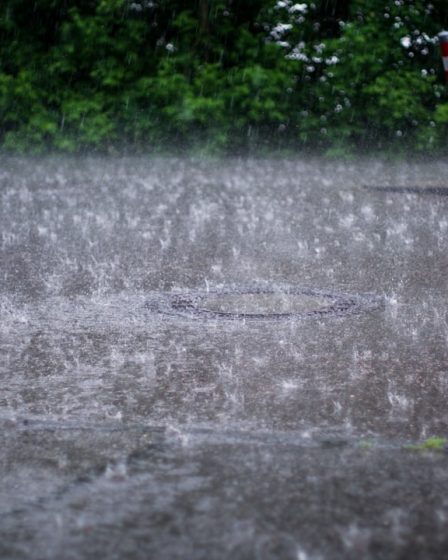
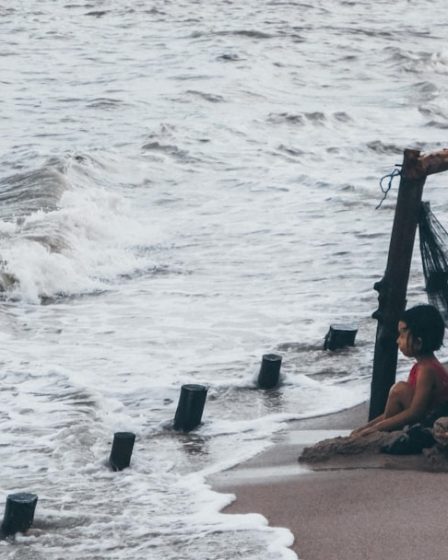
Heavy rain and typhoon warnings can produce an uncomfortable mixture of practical risk and psychological overload. Weather maps update repeatedly, phones deliver alerts and social media fills with dramatic footage from different locations. Some attention is necessary, particularly in places where flooding, landslides or high winds can develop quickly. Constant attention is not. The more useful goal is to prepare enough that you do not need to improvise when conditions deteriorate. Japan’s government guidance on heavy rain and typhoons emphasises acting before rain and wind become severe and using official warning levels to guide evacuation decisions. The same principle applies in many countries: know your local risks, know which official channels provide instructions and complete ordinary preparations early. Once those steps are done, repeatedly refreshing the forecast rarely makes you safer.