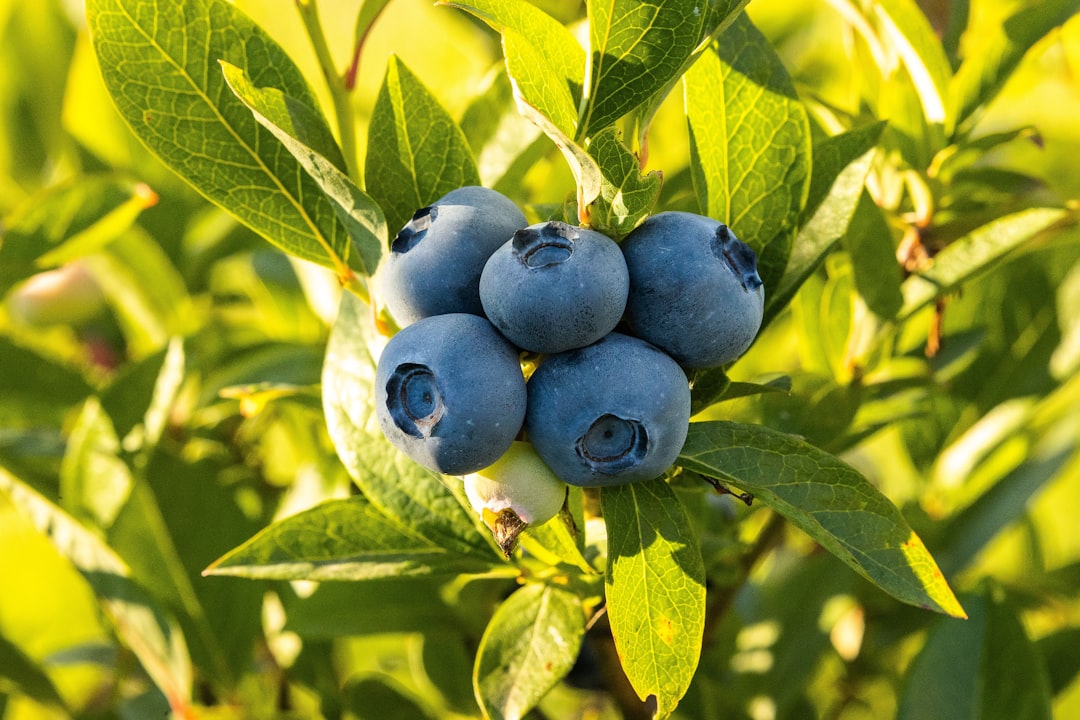
Cover photo by Alex Ushakoff
Blueberries have the unusual ability to appear both ordinary and fashionable. They are sold frozen in large supermarket bags, added to breakfast bowls and smoothies, and periodically promoted as though they were a nutritional shortcut capable of solving almost anything. The reality is more useful and less dramatic. Blueberries are simply a nutritious fruit that can fit easily into a varied diet. They provide fibre, vitamins and plant compounds, while their small size and mild flavour make them convenient to use without much preparation. You do not need a special daily dose, an expensive powder or a complicated recipe to benefit from eating fruit. Nor do blueberries need to replace other fruits with different nutrients, textures and prices. Thinking of them as a flexible ingredient rather than a superfood makes it easier to use them in ways that are affordable, enjoyable and realistic.
Fresh and frozen are both useful
Fresh blueberries are convenient for snacking and work well when texture matters, but frozen berries deserve equal space in the kitchen. They keep for much longer, can reduce food waste and are often cheaper outside the fresh local season. Frozen blueberries can go directly into porridge, smoothies, baked dishes and sauces. They may release more liquid as they thaw, which matters in some recipes but not nutritionally in any way that should make them seem second-rate. Buying both forms for different purposes can be practical: fresh berries for eating by the handful and frozen berries for cooking. The same principle applies to fruit generally. Convenience influences what people actually eat. A theoretically ideal ingredient that spoils in the refrigerator every week contributes less to your diet than an affordable frozen option you reliably use.
Pair fruit with a more substantial meal
A handful of blueberries can add flavour and colour to breakfast, but fruit alone may not be enough to keep you satisfied for long. Combine berries with foods that contribute protein, fat or additional fibre. Yoghurt with oats and blueberries, porridge topped with berries and nuts, or wholegrain toast alongside fruit and eggs are examples of more substantial meals. The exact combination depends on appetite, dietary needs and cultural preferences. Blueberries also work outside breakfast. Add them to a salad with grains and cheese, cook them into a sauce, or serve them with plain yoghurt as dessert. Thinking beyond the smoothie makes it easier to avoid the idea that nutritious food must arrive in a particular wellness format. The nutritional value of fruit does not disappear because you ate it from a normal bowl rather than blending it into an elaborate drink.
Do not turn one food into a health project
Nutrition advice becomes confusing when individual foods are credited with extremely broad effects. Research into berries and their plant compounds is interesting, but an ordinary person does not need to organise a diet around maximising one antioxidant or biochemical marker. Overall dietary patterns matter. A varied diet containing fruits, vegetables, whole grains, protein sources and appropriate fats offers something no single berry can reproduce. If blueberries are expensive where you live, choose another fruit you enjoy. If you dislike them, there is no requirement to train yourself to eat them. Seasonal local fruit may be cheaper and more satisfying. The most sustainable eating pattern is usually one that fits your budget, preferences and routine. Good nutrition becomes harder, not easier, when every supermarket decision is treated as a test of whether you have selected the scientifically optimal ingredient.
Use berries to make simple foods more appealing
One of the most practical benefits of fruit is that it can improve foods you already eat. A bowl of plain yoghurt becomes more interesting with berries. Porridge needs less added sweetness when fruit is cooked into it. A basic pancake breakfast gains flavour and texture without requiring a complicated topping. Frozen blueberries can also be simmered briefly to make a simple compote for yoghurt or wholegrain toast. For children who are hesitant about certain fruits, offering them as part of familiar foods may work better than repeatedly insisting they eat a separate portion. There is no need to hide fruit or turn eating into a negotiation. Exposure, variety and an enjoyable eating environment matter more than winning a single meal. Adults benefit from the same principle. Healthy ingredients are easier to keep using when they make meals more pleasurable rather than merely more virtuous.
Buy in a way that reduces waste
Berries can be expensive, and throwing away a mouldy container undermines both the household budget and the environmental benefits of eating more plant foods. Check fresh berries when you bring them home and remove any damaged fruit. Store them appropriately and wash them when you are ready to use them unless packaging instructions say otherwise. If you realise they will not be eaten in time, freeze them for later cooking. Larger frozen bags can be economical, but only if freezer space and household habits make them practical. Portioning berries into small containers can make weekday use easier. Food planning does not have to mean strict meal preparation. Sometimes it is simply noticing on Wednesday that something needs to be eaten before Friday. That small habit can reduce waste across the entire kitchen, not only with blueberries.
Conclusion
Blueberries deserve a place in everyday nutrition without carrying the burden of being miraculous. Use fresh berries when they are appealing and affordable, frozen ones when convenience matters, and combine them with ordinary meals rather than treating them as a supplement. Most importantly, maintain perspective. A varied diet built from foods you can obtain, afford and enjoy will do more for long-term eating habits than chasing whichever individual ingredient happens to attract attention this week.