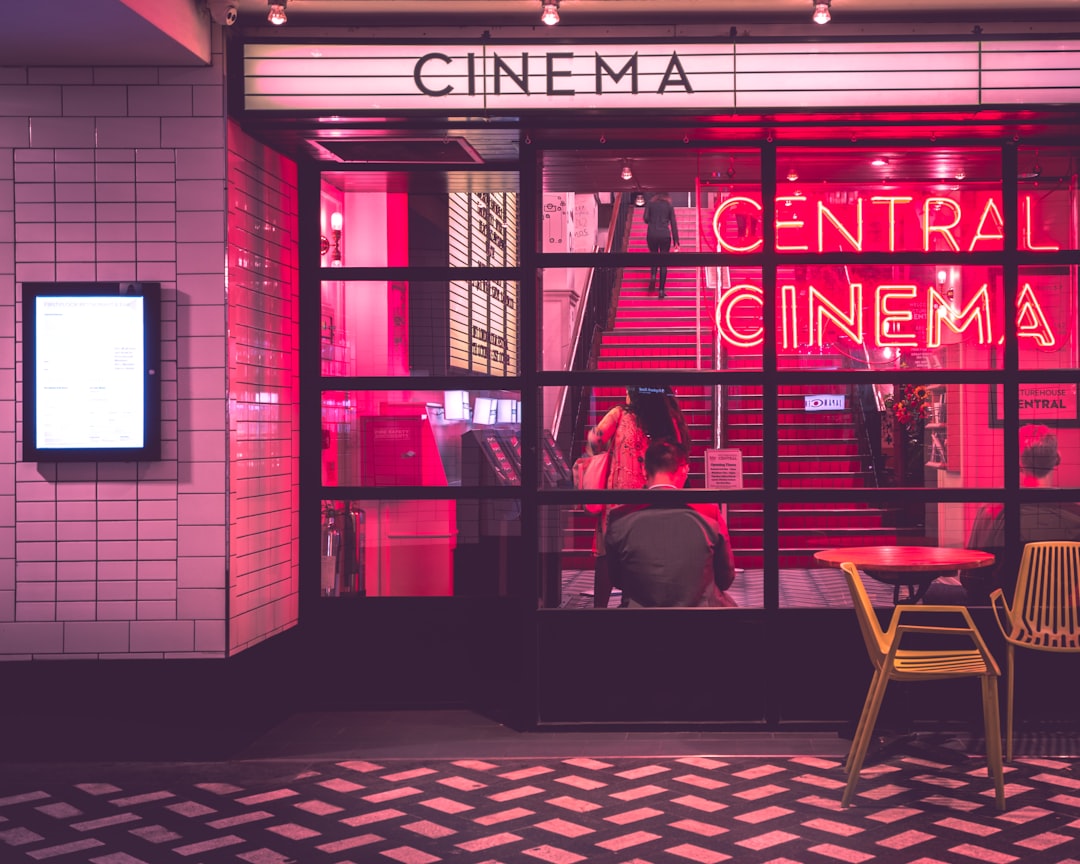
Cover photo by Myke Simon
Watching a film at home is convenient, but it often competes with messages, chores, snacks, work tabs and the temptation to pause. A cinema creates a different kind of attention. For a set period, the room darkens, the phone becomes less useful and one story receives the whole screen. This does not make cinema automatically mindful or superior to home entertainment. Tickets can be expensive, sound levels may be uncomfortable and not every film deserves several uninterrupted hours. Yet an occasional cinema visit can offer a valuable boundary between ordinary responsibilities and leisure. With a little planning, it can become a restorative outing rather than another rushed consumer activity.
Choose the film according to the experience you need
A visually spectacular release may suit a social evening, while a quieter drama might fit a reflective mood. Read a brief description and check the running time, but avoid consuming so many reviews and clips that the film feels familiar before it starts. Consider content warnings if certain themes may be distressing. Parents should look beyond marketing and check whether length and intensity are appropriate for the child. The best choice is not always the most discussed title. It is the one you are genuinely interested in seeing under cinema conditions.
Make the journey part of the break
Rushing from work, arriving during trailers and searching for seats in the dark creates unnecessary stress. Leave enough time to travel, use the bathroom and settle in. When possible, walk part of the route or meet a friend for a simple meal beforehand. Avoid filling the entire evening with additional errands. The cinema can serve as a clear transition out of work mode. Even a short pause outside before entering helps the outing feel deliberate rather than squeezed into an overloaded day.
Protect attention without becoming rigid
Silencing the phone supports both your concentration and everyone around you. Put it away rather than checking it at every quiet scene. At the same time, there is no prize for enduring genuine discomfort. Step outside if you feel unwell, overwhelmed or need to handle an urgent issue. People with sensory sensitivities may prefer smaller screens, quieter sessions, aisle seats or screenings designed with lower sound and lighting adjustments. Attention works best when the body feels reasonably safe and comfortable.
Use shared viewing to strengthen connection
A film gives friends, partners and relatives a common experience that does not require continuous conversation. This can be especially helpful when people want time together but feel tired or unsure what to do. Afterward, ask open questions rather than immediately rating the film. Which character felt believable? What scene stayed with you? Different interpretations can reveal values and memories without turning the discussion into a debate about who understood the film correctly. It is also fine to enjoy the walk home in silence.
Keep spending aligned with the value of the outing
Premium screens, snacks, transport and parking can make cinema expensive. Decide which part matters most. You may prefer a basic ticket with a good seat, an off-peak screening or a membership if you attend regularly. Bring an honest budget into social plans so no one feels pressured to match another person’s spending. A cinema outing loses some restorative value when followed by financial regret. Local independent cinemas, community screenings and film festivals may offer different prices and a stronger sense of place.
Let the film end before returning to the feed
The urge to search for reviews, interviews and reactions immediately after the credits can dissolve the experience into more content. Give the film a little space. Walk, talk or write down one thought before opening social media. If the story affected you strongly, notice whether you need conversation, quiet or a change of mood. Not every emotional response requires analysis. Sometimes the value lies in carrying an image or idea for a few days.
Conclusion
A cinema visit can offer something increasingly rare: sustained attention inside a clear beginning and end. Choose the film thoughtfully, arrive without rushing and keep the phone out of reach. Whether you go alone or with someone else, allow the experience to be more than a product consumed and rated. A few uninterrupted hours with a story can refresh attention, support connection and make leisure feel distinct from the stream of daily tasks.