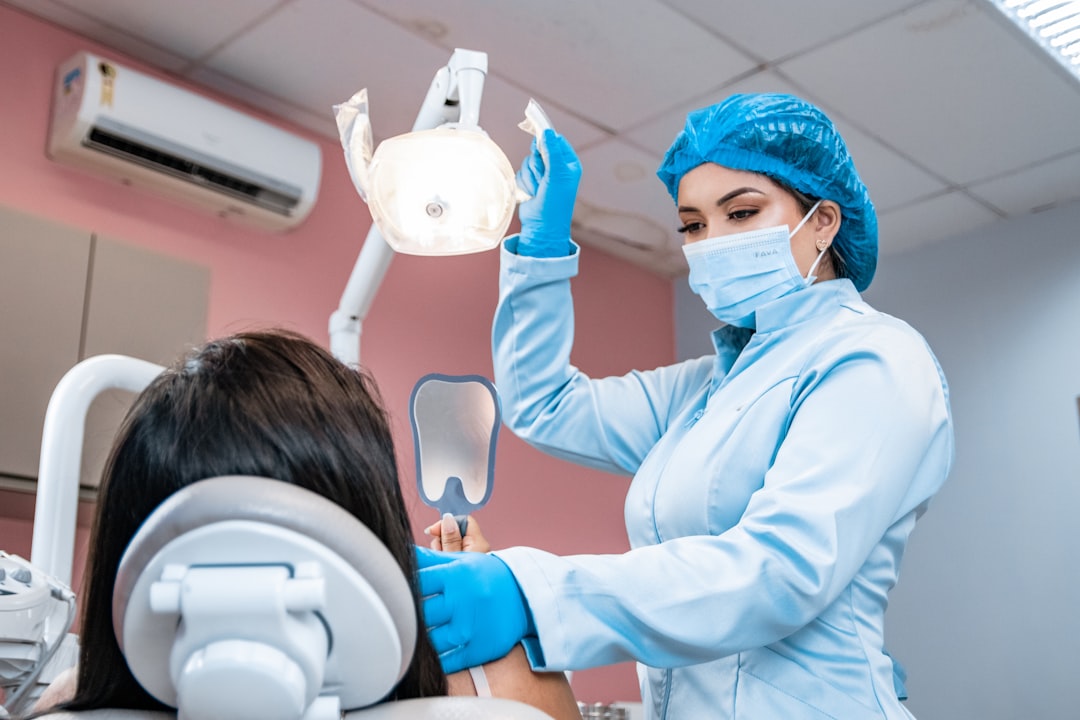
Cover photo by SoyBreno
Dental care can be difficult to prioritise when household finances are under pressure. Routine appointments have an immediate cost, while the benefit may feel distant if nothing currently hurts. That makes postponement understandable, but it can also allow smaller problems to become more complicated. The most useful approach is neither to ignore dental care nor to assume that everyone needs the same expensive schedule. Preventive needs vary between individuals. NHS guidance, for example, notes that routine dental check-up intervals can range according to oral health and future risk rather than automatically occurring every six months. Access and payment systems differ widely between countries, so local services should guide your decisions. Still, several practical habits can help most households use limited dental budgets more deliberately and reduce the chances that routine care becomes a recurring financial emergency.
Find out what routine you actually need
If you have been assuming that dental care follows a universal schedule, ask your dentist what interval is appropriate for your current oral health. Someone at low risk may be advised to return less frequently than someone who is managing gum disease, repeated decay or other problems. Knowing the recommended interval helps with budgeting because the next appointment becomes a predictable expense rather than a vague obligation. If you have delayed care for a long time, book an assessment instead of trying to determine the seriousness of the situation yourself. Explain cost concerns openly. A clinic may be able to distinguish urgent treatment from work that can reasonably be planned over time. Different healthcare systems offer different public programmes, insurance arrangements and low-cost clinics, so investigate the options available where you live rather than assuming private full-price treatment is the only route.
Make daily care do as much work as possible
Home care is not a replacement for professional dentistry, but it is the part of oral health you control every day. Brush thoroughly with fluoride toothpaste according to local dental recommendations, clean between the teeth in the way advised for you, and replace worn toothbrushes or brush heads. If your technique is uncertain, ask a dentist or hygienist to demonstrate rather than buying increasingly specialised products. Expensive electric toothbrushes, whitening systems and premium mouthwashes are not prerequisites for basic dental hygiene. Diet matters too, particularly the frequency with which teeth are exposed to sugary foods and drinks. Rather than attempting a perfect diet, notice repeated habits such as sipping sweet drinks throughout the day or frequent snacking. Small changes to those patterns may be more realistic than temporary restrictions that are difficult to sustain.
Separate necessary care from cosmetic pressure
Dental marketing can blur the line between health and appearance. Whitening, cosmetic alignment and other elective treatments may be completely reasonable choices, but they should not crowd essential care out of a limited budget. If money is tight, ask which recommendations are necessary for health, which are preventive and which are primarily cosmetic. Request written estimates for larger treatment plans and make sure you understand alternatives before deciding. A second professional opinion can be appropriate for expensive or extensive treatment, particularly when the options are unclear. Do not delay urgent care solely to save for cosmetic work. At the same time, avoid assuming that the most expensive available treatment is automatically the best choice for your circumstances. Clinical suitability, durability, cost and personal priorities all matter, which is why significant decisions are best discussed with a qualified dental professional who has actually examined you.
Create a small dental reserve
Irregular health costs feel less disruptive when they have a place in the household budget. If possible, set aside a modest amount each month for dental and other predictable healthcare expenses. The amount does not need to cover every conceivable treatment. Even a partial reserve can reduce the stress of paying for an examination, X-rays or an unexpected filling. If your employer, insurer or public healthcare system provides dental benefits, learn how they work before you need treatment. Benefits that expire annually are easy to overlook. Families can also keep a simple record of expected appointments so that several routine visits do not unexpectedly land in the same month. If you cannot afford needed treatment, ask local health services about payment arrangements, public clinics, dental schools or assistance programmes. Availability varies, but asking directly is more useful than assuming no lower-cost option exists.
Do not wait for severe pain to ask for help
Pain is an obvious reason to seek dental care, but it is not the only one. Broken teeth, swelling, persistent bleeding, injuries and changes in the mouth may need professional assessment even when pain is limited. If something feels urgent, contact a dental service and ask what to do rather than trying to manage the problem indefinitely at home. Routine check-ups are intended partly to identify problems before they become harder to treat. At the same time, online symptom lists cannot tell you exactly what treatment you need. Dental conditions that look similar can have different causes. The financially sensible strategy is not to diagnose yourself. It is to seek appropriate care early enough that you still have choices, then discuss cost and treatment priorities with the clinician.
Conclusion
Affordable dental care is partly about finding services you can access and partly about making predictable care easier to budget for. Learn the check-up interval appropriate to you, maintain straightforward daily hygiene, distinguish essential treatment from cosmetic extras and keep a small reserve if circumstances allow. When a problem appears, ask for professional advice before it becomes a prolonged emergency. Prevention cannot guarantee inexpensive teeth for life, but it can make dental health less dependent on last-minute decisions made under pain, pressure and financial stress.