Dental care can be difficult to prioritise when household finances are under pressure. Routine appointments have an immediate cost, while the benefit may feel distant if nothing currently hurts. That makes postponement understandable, but it can also allow smaller problems to become more complicated. The most useful approach is neither to ignore dental care nor to assume that everyone needs the same expensive schedule. Preventive needs vary between individuals. NHS guidance, for example, notes that routine dental check-up intervals can range according to oral health and future risk rather than automatically occurring every six months. Access and payment systems differ widely between countries, so local services should guide your decisions. Still, several practical habits can help most households use limited dental budgets more deliberately and reduce the chances that routine care becomes a recurring financial emergency.
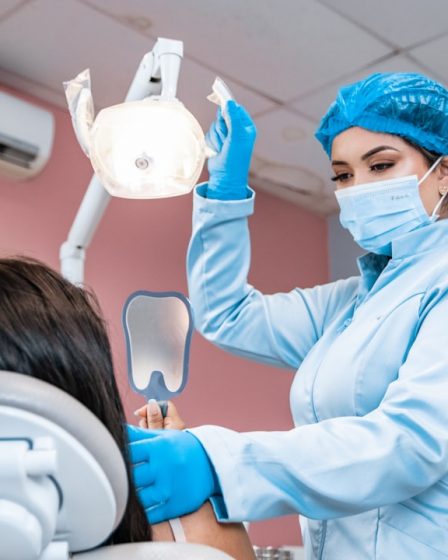
prevention
Making Routine Vaccination and Preventive Care Easier to Keep Up With
Preventive healthcare often loses out to problems that feel more urgent. A vaccination reminder arrives while work is busy, a dental check-up is postponed until next month, or an annual health appointment remains on a mental list without ever reaching the calendar. None of this necessarily reflects a lack of concern. Preventive care is simply easy to delay because the benefit is usually less visible than the inconvenience of arranging it. A more reliable approach is to treat routine health administration as part of ordinary life rather than something to remember through willpower. Vaccination recommendations vary by country, age, occupation, travel plans and individual health circumstances, so personal decisions should follow local healthcare guidance. The World Health Organization maintains recommendations covering immunisation across different stages of life, including adults as well as children.