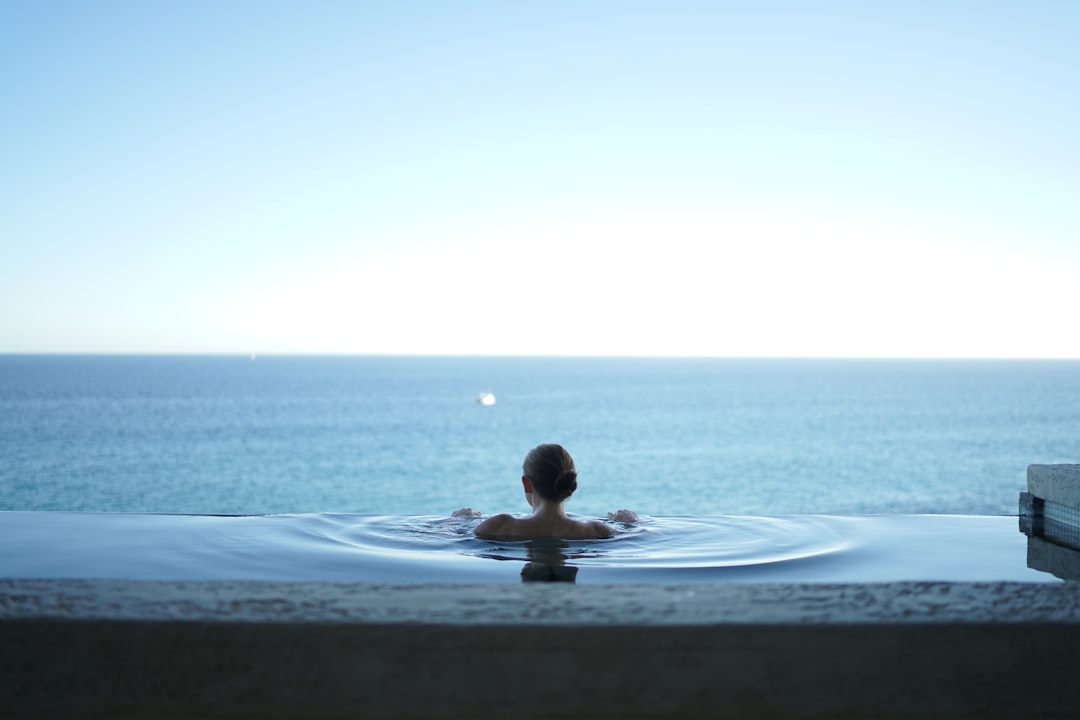
Cover photo by Alex Bertha
A spa weekend is usually sold as effortless relaxation: robes, pools, treatments and a breakfast buffet followed by nowhere particular to be. The reality can become surprisingly busy. People book several treatments, travel for hours, squeeze in sightseeing, eat heavy meals late at night and return home on Sunday feeling as though they need another weekend to recover. A restorative short break does not require the most luxurious hotel or the fullest treatment schedule. It requires enough unstructured time for your body and attention to move at a different pace. That can happen at an expensive resort, a modest hotel with a sauna, or even during a day visit close to home. The useful question is not how many spa experiences you can fit into forty-eight hours. It is which elements genuinely help you feel rested and which simply make the itinerary look impressive.
Choose the location by travel effort as well as facilities
A beautiful spa three or four hours away may be worth the journey for a longer stay, but travel time matters when you only have one night. Compare the total door-to-door effort, not just the room price. A less glamorous hotel an hour away may provide more usable rest because you are not spending Friday evening in traffic and Sunday afternoon travelling home. Check arrival and departure times too. Some hotels allow guests to use spa facilities before check-in or after checkout, which can effectively extend a short stay without adding another night. If travelling by public transport, consider how easy the final connection is. A restorative trip starts becoming stressful when the last stage requires uncertain buses or an expensive unplanned taxi. Convenience is part of the experience, even though it rarely appears in photographs.
Do not book every available treatment
Massage, facials and other treatments can be enjoyable, but stacking them back-to-back can turn the day into a schedule. Choose the one experience you most want, then protect free time around it. An hour sitting beside a pool, reading in a quiet area or taking a walk may contribute as much to the sense of a break as another appointment. If you are travelling with someone, you also do not need identical schedules. One person may enjoy a treatment while the other swims or sleeps. Before booking anything involving heat, massage or other physical treatments, check whether the provider lists health restrictions relevant to you, particularly during pregnancy or when managing medical conditions. Ask qualified healthcare professionals when you are unsure. A spa treatment is an optional leisure service, not a medical therapy, and exaggerated detox or healing claims are a good reason to keep expectations modest.
Eat for enjoyment without making every meal an event
Hotel weekends can easily become a continuous sequence of large meals. There is nothing wrong with enjoying a special dinner or generous breakfast, but feeling uncomfortably full can work against the physical ease you came for. Let one meal be the main occasion and keep the rest simple. Drink water throughout the day, particularly if you are using saunas or spending time in warm environments. Alcohol may be part of the weekend for some people, but several drinks combined with heat and late nights are not especially compatible with feeling refreshed the next morning. If a package includes more food than you actually want, you are not obliged to consume it to receive value. The purpose of the weekend is your experience, not extracting the maximum number of calories and services from the booking.
Protect sleep instead of sacrificing it
One of the simplest ways to make a spa weekend restorative is to treat sleep as part of the attraction. Check reviews for noise, choose a room away from nightlife or elevators when possible, and do not schedule an early activity simply because you can. If you normally wake early, a quiet morning coffee may be more enjoyable than trying to force a dramatic lie-in. Conversely, staying up several hours later than usual can erase some of the benefit of having no morning responsibilities. Bring the small things that help you sleep away from home, such as earplugs, an eye mask or your preferred pillowcase if that makes a difference. There is no prize for using the spa until closing time. Leaving the pool early, showering and spending the final hour reading in bed may be exactly what turns a pleasant hotel stay into genuine recovery.
Make the return home intentionally easy
Sunday planning deserves almost as much attention as the spa itself. Avoid arranging a complicated evening after returning. Have a simple meal available at home, leave essential Monday preparations done before departure and give yourself a little time to unpack. If possible, travel back before the final possible train or the worst traffic period. The contrast between a slow weekend and a chaotic return can otherwise be abrupt. You can also preserve one small element of the weekend during the following week, perhaps a longer evening shower, a walk without your phone or twenty minutes with the book you started at the hotel. This is not about recreating a luxury setting at home. It is about noticing which part of the break actually helped and making room for a smaller version in ordinary life.
Conclusion
A good spa weekend is not defined by the number of treatments, the size of the buffet or the prestige of the hotel. It works when travel, scheduling, food and sleep leave enough room for genuine rest. Book less than you think you could fit in, make comfort part of the budget and plan the return home as carefully as the arrival. The most successful short break may be the one that feels pleasantly incomplete, because you had time to do nothing rather than rushing to use everything.