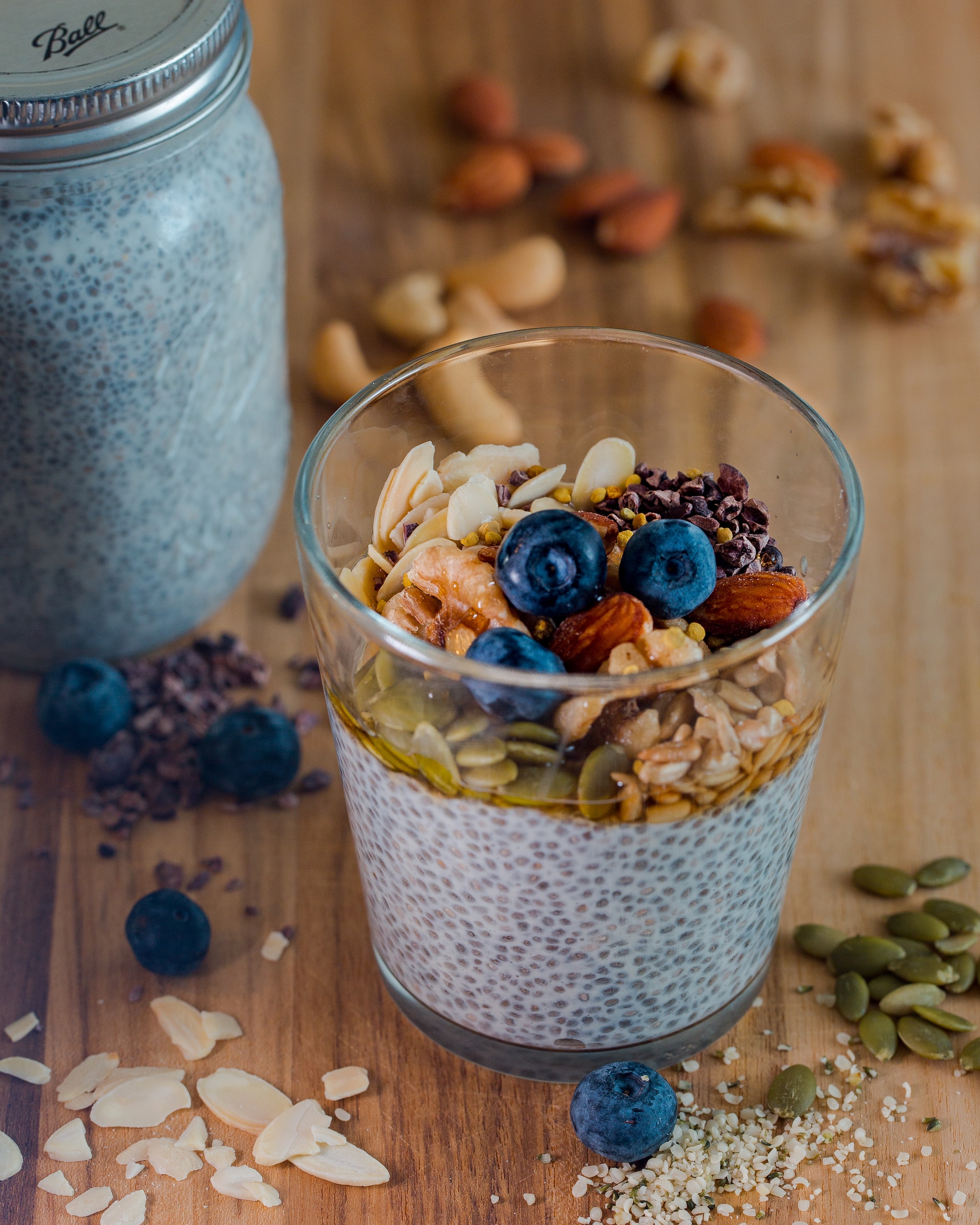
Cover photo by Jimmy Dean
Cooking competitions can be absorbing television. They combine creativity, time pressure, appealing food and the suspense of judging. They can also subtly change how viewers think about ordinary meals. A weekday dinner may begin to look inadequate beside a carefully plated dish created with specialist equipment and edited into a dramatic hour. Some viewers feel inspired to cook, while others become intimidated, dissatisfied with their skills or preoccupied with whether food is impressive enough. A balanced approach keeps the entertainment and useful ideas while remembering that home cooking serves a different purpose. Most meals do not need to surprise judges. They need to nourish people, fit the budget, use the time available and create a reasonably pleasant part of the day.
Remember that television cooking is a performance
A competition dish is created under unusual conditions. Contestants may have access to ingredients, equipment and professional guidance that are not part of an ordinary kitchen. The finished episode also removes long periods of cleaning, waiting and repetition while emphasising mistakes and emotional moments. Recognising the production does not make the programme less enjoyable. It prevents an unfair comparison. Home cooks are solving different problems. They may be feeding children with changing preferences, using ingredients before they spoil, managing dietary restrictions or preparing dinner after work. Success might mean a meal everyone can eat and a kitchen that is not overwhelming afterwards. Presentation can add pleasure, but it is only one part of the experience. Flavour, nutrition, affordability, ease and shared time all matter. A bowl of soup or a simple sandwich can be a successful meal even if it would not create dramatic television.
Borrow one idea instead of recreating the whole dish
Inspiration becomes more practical when it is reduced to one element. Rather than attempting a complicated recipe immediately, notice a technique, ingredient pairing or presentation idea that fits your life. You might roast vegetables at a higher temperature, add acidity to a rich dish, prepare a sauce that works with several meals or serve herbs at the table. Write the idea down and try it during a low-pressure meal. This approach builds skill without requiring a large shopping trip or an entire free afternoon. It also helps distinguish genuine curiosity from the brief excitement created by an episode. Some televised recipes are designed to display technical range rather than to become reliable household meals. There is no failure in deciding that a method is interesting to watch and unnecessary to reproduce. Cooking knowledge can enrich everyday food even when it appears in a much simpler form.
Avoid letting food language become moral judgment
Competition programmes naturally describe dishes as successful or unsuccessful, but this language can spill into judgments about people’s everyday eating. Foods are often labelled clean, guilty, bad or perfect, and a meal can become a test of character. Nutrition is more nuanced. Individual foods exist within patterns shaped by culture, health needs, access, budget and preference. A rich dessert does not erase a balanced week, and a beautifully arranged salad does not automatically meet every person’s needs. When watching, notice whether the programme makes you curious and hungry or anxious and critical. If you have a history of disordered eating or find that food content increases distress, reducing exposure and seeking qualified support may be appropriate. General entertainment should not be treated as personalised nutrition advice. The healthiest relationship with food is not identical for everyone, but it usually leaves room for nourishment, pleasure and flexibility.
Make experimentation affordable and low waste
Televised cooking can encourage purchases of unusual ingredients that are used once and forgotten. Before buying something new, decide how it will be used in at least two or three meals. Look for a smaller quantity, share with a friend or choose a substitute that already has a place in your cooking. Build experiments around ingredients that need to be used rather than adding a completely separate menu to the week. For example, a new spice blend can season roasted vegetables, eggs and a bean dish. Keep notes about successful substitutions so you do not have to rediscover them. Freezing portions can reduce waste when a recipe produces more than expected. It is also reasonable to treat one special cooking project as recreation and budget for it accordingly. The difficulty begins when every episode creates a new shopping impulse or when expensive ingredients become associated with being a serious cook.
Share the kitchen without copying the pressure
Cooking shows can provide a theme for time with family or friends, but copying the elimination format may make some people self-conscious. Try a cooperative version instead. Choose one ingredient and let each person contribute a simple component, or cook two variations and discuss what worked without declaring a loser. Children can wash vegetables, mix ingredients or arrange toppings according to age and ability. The goal is participation rather than precision. Be mindful that confident cooks sometimes take over while describing it as help. Ask which task another person would enjoy and allow them to do it differently. Shared cooking may take longer and create more mess, but it can build practical skills and conversation. On a tired evening, sharing may simply mean one person cooks while another clears the table. Harmony in the kitchen comes from realistic expectations, not from requiring every meal to become an event.
Let convenience remain part of a healthy kitchen
Cooking programmes celebrate food made from scratch because that creates a visible challenge. Everyday well-being often depends on convenience. Frozen vegetables, canned beans, prepared sauces, rotisserie chicken, bread and occasional takeaway can help people eat regular meals when time or energy is limited. Convenience foods vary in cost and nutritional content, so labels and individual needs still matter, but using them is not evidence of laziness. Combine convenient components with fresh additions when useful. A packaged soup can be extended with vegetables, a ready-made curry can be served with extra greens and leftover rice can become a quick meal with eggs. Keep several reliable options for difficult days. This reduces the likelihood of skipping meals or ordering something expensive only because no realistic plan exists. Cooking skill includes knowing when not to make everything from the beginning.
Conclusion
Cooking shows are most enjoyable when they expand curiosity rather than narrow the definition of a good meal. Remember that televised food is produced for performance, borrow ideas in manageable pieces and keep moral judgment away from ordinary eating. Experiment in ways that respect the budget and reduce waste, invite cooperation without reproducing competitive pressure and allow convenient foods to support demanding days. A home kitchen is not a judging table. It is a place where practical decisions, culture, nourishment and pleasure meet. The best lesson from an impressive dish may be a small technique or a renewed desire to cook, not an expectation that dinner should look ready for television.