New phones arrive with better cameras, faster chips and enough marketing to make a perfectly functional device feel suddenly old. Sometimes upgrading is sensible, especially when a phone no longer receives security updates, the battery has deteriorated badly or hardware problems interfere with everyday use. But many devices can remain comfortable for another year with a small amount of maintenance. Extending a phone’s useful life can save money, reduce electronic waste and remove the time involved in moving accounts, apps and settings to something new. The aim is not to keep a frustrating device forever. It is to distinguish fixable inconvenience from a genuine reason to replace it.
Pet Food Recalls: What to Check Before Throwing Everything Away
A pet food recall can provoke immediate worry because animals cannot explain how they feel and many owners feed the same product every day. The first impulse may be to throw away every bag, tin or treat from the brand, but recalls are usually more specific than the headline. They can apply to particular products, batch codes, package sizes or production dates. A calm response starts with matching the item in your home to the official recall notice and following the instructions provided by the manufacturer, retailer or relevant food-safety authority. If your pet has eaten the product and seems unwell, contact a veterinarian for advice rather than trying to interpret symptoms from social media. General information is useful for organising the response, but the exact recall notice and veterinary guidance should lead the decision.
Flash-Flood Warnings: A Calm Plan for Sudden Heavy Rain
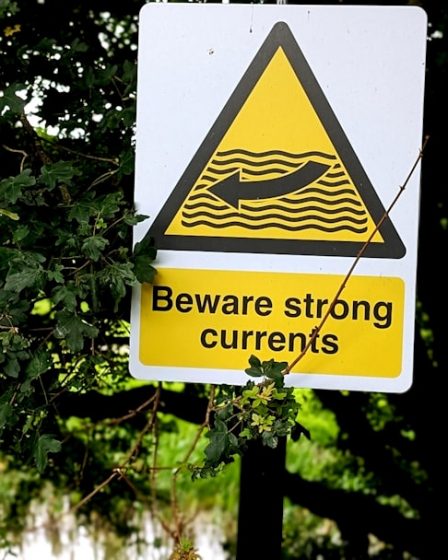
Flash-flood warnings are unsettling because they describe a hazard that can develop quickly. A road that was passable earlier may become unsafe, a normally small stream can rise rapidly and familiar low-lying areas may collect water faster than expected. The right response is neither to ignore every warning because past storms caused little trouble nor to spend hours watching dramatic videos from other places. What matters is understanding the risk around your own location and acting on official local instructions. Flood behaviour varies greatly by terrain, drainage and rainfall, so general information cannot replace emergency guidance for your area. Still, a simple household plan can reduce last-minute decisions. Know the places you should avoid, keep essential information accessible, and make transport choices conservatively when water starts appearing where it should not be.
Low-Cost Air Travel Without the Usual Stress Spiral
Low-cost airlines have made short international trips possible for many people who would otherwise travel less, but the cheap headline fare can come with a complicated set of decisions. Baggage dimensions, airport transfers, seat selection, check-in rules and optional extras can turn a simple booking into an exercise in avoiding mistakes. None of this means budget airlines are inherently stressful. They work well when you understand that the product is transportation with fewer inclusions, not a discounted version of every full-service experience. The calmest approach is to calculate the real trip cost, pack deliberately and remove unnecessary airport decisions before departure. A twenty-euro ticket is not a bargain if reaching the airport costs more than the flight or a baggage fee appears because you misunderstood the rules. Equally, paying for one useful extra can be better value than spending the entire journey protecting the cheapest possible fare.
How to Plan a Spa Weekend That Actually Feels Restorative
A spa weekend is usually sold as effortless relaxation: robes, pools, treatments and a breakfast buffet followed by nowhere particular to be. The reality can become surprisingly busy. People book several treatments, travel for hours, squeeze in sightseeing, eat heavy meals late at night and return home on Sunday feeling as though they need another weekend to recover. A restorative short break does not require the most luxurious hotel or the fullest treatment schedule. It requires enough unstructured time for your body and attention to move at a different pace. That can happen at an expensive resort, a modest hotel with a sauna, or even during a day visit close to home. The useful question is not how many spa experiences you can fit into forty-eight hours. It is which elements genuinely help you feel rested and which simply make the itinerary look impressive.
A Practical Weekly Money Check-In That Reduces Financial Clutter
Money worries often become louder when the numbers themselves are vague. You may know that several bills are approaching, that spending has been higher than usual or that an annual payment is somewhere on the horizon, without having a clear picture of what actually needs attention. A short weekly money check-in can reduce that background uncertainty. This is not the same as building an elaborate budget or monitoring every purchase. The purpose is simply to create a regular point at which you look at what has happened, what is coming next and whether anything requires action. Twenty or thirty calm minutes can be more useful than repeatedly checking a banking app throughout the week. The routine is especially helpful for people who dislike financial administration because it gives money a defined place in the schedule rather than allowing it to interrupt the rest of life whenever anxiety appears.
Gen Z at Home and Work
Strong interest in this topic reflects a practical question: how should an ordinary person respond without overreacting? Intergenerational relationships with gen z can influence attention, mood, household planning and the way people speak to one another. The challenge is to respond thoughtfully without turning uncertainty into panic or a temporary interest into another demanding self-improvement project. A practical approach asks what matters now, what can wait and which source of guidance is appropriate. It also leaves room for differences in age, health, income, culture and personal experience.
A Simple System for Passports, Identity Cards and Important Documents
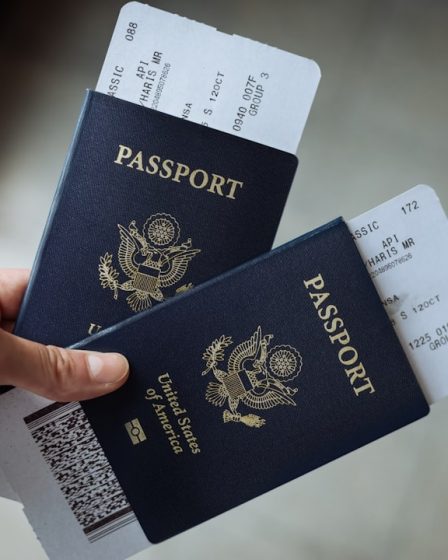
Few administrative problems feel as avoidable as discovering an expired passport before a trip or being unable to find an identity document when an application is due. Important papers are used infrequently, which makes them easy to forget until a deadline creates urgency. A simple document system reduces stress without requiring elaborate filing equipment. The aim is to know what you have, where the originals are stored, when they expire and how to access essential information if something is lost. Because identity and legal documents are sensitive, convenience must be balanced with security and local requirements.
A Practical Safety Plan for Solo Walks and Hikes
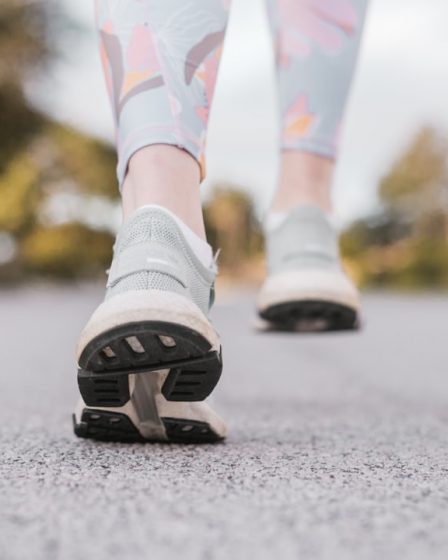
Walking alone can provide quiet, independence and a strong connection with the landscape. It also means that small problems, such as a wrong turn, twisted ankle or dead phone, require more self-reliance. Search and rescue stories sometimes lead people either to avoid nature entirely or to assume that emergencies happen only to reckless adventurers. Most outdoor safety comes from ordinary preparation rather than specialist equipment. The right plan depends on terrain, weather, experience and remoteness, but several habits are useful almost everywhere. The purpose is not to remove uncertainty. It is to make a manageable outing less likely to become a serious incident.
How to Enjoy Cooking Shows Without Turning Food Into a Competition
Cooking competitions can be absorbing television. They combine creativity, time pressure, appealing food and the suspense of judging. They can also subtly change how viewers think about ordinary meals. A weekday dinner may begin to look inadequate beside a carefully plated dish created with specialist equipment and edited into a dramatic hour. Some viewers feel inspired to cook, while others become intimidated, dissatisfied with their skills or preoccupied with whether food is impressive enough. A balanced approach keeps the entertainment and useful ideas while remembering that home cooking serves a different purpose. Most meals do not need to surprise judges. They need to nourish people, fit the budget, use the time available and create a reasonably pleasant part of the day.
How to Respond to a Food Recall Without Panicking or Ignoring It
A food recall can make an ordinary refrigerator suddenly feel uncertain. Headlines may mention contamination, illness or a product found in thousands of stores, while the practical details are buried several paragraphs later. The healthiest response sits between alarm and indifference. Most recalls affect specific products, package sizes, production dates or locations, not an entire category of food. A calm process helps you protect yourself without throwing away everything in the kitchen or becoming afraid of eating. It also creates habits that are useful long after one particular alert has passed.
Lottery Daydreams and Financial Well-Being: Keeping Hope in Perspective
A large lottery jackpot can turn an ordinary ticket into hours of imagination. People picture paying off debt, helping family, leaving a difficult job or finally having time to rest. Those dreams often reveal genuine needs, which is one reason lotteries are so emotionally powerful. Buying an occasional ticket as entertainment may fit some budgets, but repeated play can quietly become a plan for rescue. A balanced approach neither mocks the fantasy nor mistakes it for financial strategy. It uses the daydream to understand what matters, while protecting money needed for current life and more reliable future goals.
What a Social Media Outage Can Teach You About Digital Balance
When a major social platform stops working, the first few minutes can feel surprisingly disorienting. People reopen the same app, restart their phones, check another network and wonder whether the problem is personal. The interruption reveals how many small parts of daily life have been handed to a few online services: conversations, event details, business contacts, photographs, community updates and moments of boredom. An outage is inconvenient, but it can also serve as a useful stress test. It shows which digital habits are chosen and which have become automatic, while offering a chance to build a more resilient and less distracting way of staying connected.
Creating a Pollinator Paradise: Bees, Butterflies, and Hummingbirds
Pollinators play a critical role in our ecosystem. They are essential for the reproduction of many plants, including those we rely on for food. Unfortunately, pollinator populations, particularly bees and butterflies, have been declining due to habitat loss, climate change, and the use of harmful pesticides. However, gardeners and landowners can create a haven for these vital creatures by designing gardens that are rich in diversity and resources. This article explores how to cultivate a Pollinator Paradise by planting flowers that attract bees, butterflies, and hummingbirds, providing a sustainable and beautiful environment for pollinators and a delightful experience for observers.
Aesthetics of Off-Grid Cabins
Off-grid cabin aesthetics represent a harmonious blend of functionality, sustainability, and personal expression that aligns with the natural environment. These structures are not just shelters but manifestos of a lifestyle that values self-sufficiency, minimal environmental impact, and a deep connection with nature. In this article, we will explore how off-grid cabins can achieve a balance between blending into their surroundings and expressing the owner’s personal style, all while promoting a sustainable way of living.