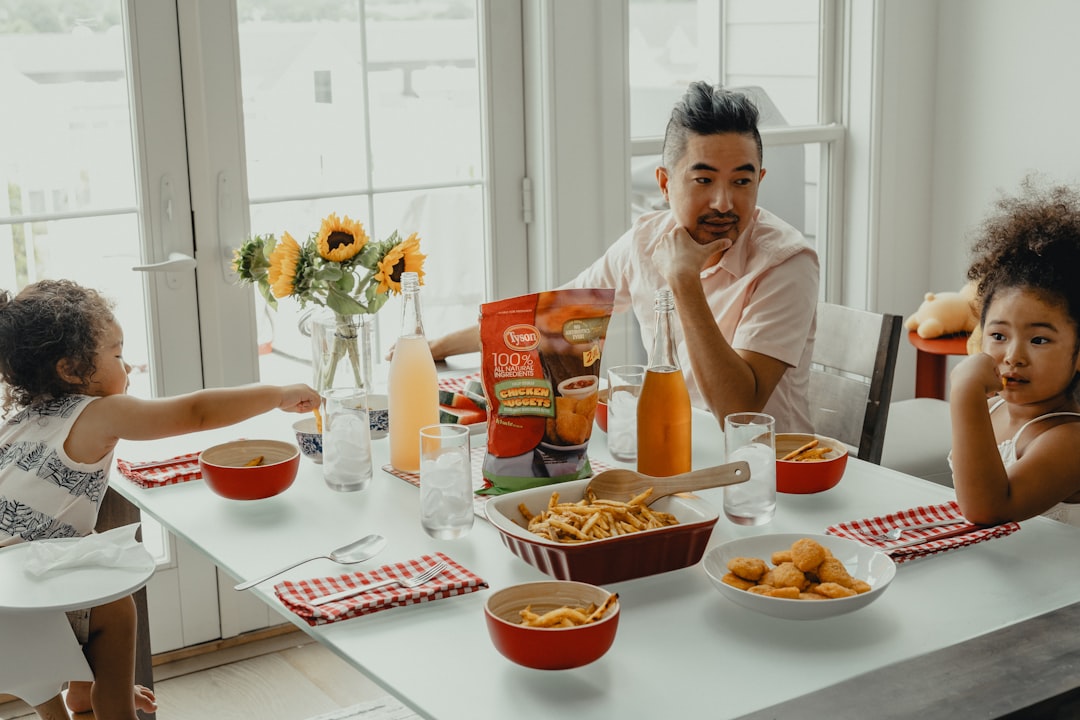
Cover photo by Tyson
A food recall can make an ordinary refrigerator suddenly feel uncertain. Headlines may mention contamination, illness or a product found in thousands of stores, while the practical details are buried several paragraphs later. The healthiest response sits between alarm and indifference. Most recalls affect specific products, package sizes, production dates or locations, not an entire category of food. A calm process helps you protect yourself without throwing away everything in the kitchen or becoming afraid of eating. It also creates habits that are useful long after one particular alert has passed.
Start with the official notice, not a repost
Social posts and television headlines are useful for raising awareness, but they often omit the identifying details that determine whether a recall applies to you. Look for the notice from the relevant food safety authority, manufacturer or retailer. Check the brand, exact product name, package size, lot code, use-by date and regions where it was sold. Compare those details directly with the label in your home. Similar packaging can create confusion, so avoid deciding from memory alone. If the notice is unclear, the retailer or manufacturer may have a consumer phone number. A few minutes of verification can prevent both unnecessary waste and avoidable exposure.
Separate the recalled item from the rest of the kitchen
When a product matches the notice, place it in a sealed bag or container so nobody eats it accidentally. Follow the instructions about returning or discarding it. Do not donate a recalled product. If it leaked or touched shelves, drawers, utensils or other food, clean those surfaces with ordinary food-safe methods and wash your hands. There is rarely a need to disinfect the entire home. Focus on realistic contact points. Take a photo of the package information before disposal when you may need a refund or want to report a problem. Clear, limited actions are more useful than a dramatic cleaning spree.
Understand symptoms without monitoring every sensation
Recall notices sometimes list symptoms associated with the possible hazard. Read them once and note the time window in which illness might appear. Then return to normal activities rather than repeatedly checking your body. Many everyday sensations, such as mild nausea or tiredness, have numerous causes. Contact a healthcare professional when you consumed the affected product and develop symptoms described in the official notice, especially if you are pregnant, older, immunocompromised or caring for a young child. Severe symptoms, dehydration, breathing difficulty or rapid deterioration require prompt medical attention. General information can guide the next step, but it cannot diagnose an individual illness.
Use a simple system for receipts and labels
You do not need to keep every food package forever, but a small amount of organization makes recalls easier to manage. Keep digital receipts when a supermarket app offers them, and avoid removing labels from foods that will remain stored for a long time. When freezing meat, prepared meals or opened ingredients, add the date and product name to the container. Rotate older items forward so they are used first. These habits also reduce waste and prevent the mysterious freezer package that nobody can identify. The goal is not perfect traceability. It is enough information to make a confident decision when an alert appears.
Avoid turning one incident into a fear of whole food groups
A recall involving salad, spices, frozen meals or another category can make the entire category feel unsafe. That reaction is understandable, but it often lasts longer than the actual risk. Food systems involve many producers and batches, and a targeted recall does not mean every similar product is contaminated. Once the affected item is removed, continue following ordinary food hygiene: store perishables at safe temperatures, separate raw and ready-to-eat foods, wash hands and prepare food according to reliable guidance. Balanced eating becomes harder when fear repeatedly removes broad groups of foods from the menu.
Let the experience improve your household plan
After the immediate issue is handled, notice what made the process difficult. Perhaps packages were stored without labels, household members did not know where alerts come from or the refrigerator was too crowded to inspect. Make one or two practical changes. You might bookmark the food safety authority, agree that recall notices will be shared in a family chat or schedule a monthly check of expired items. Avoid creating a complicated system that becomes another source of stress. Preparedness works best when it is modest enough to maintain. A calm household process also helps children learn that safety problems can be addressed without panic.
Conclusion
Food recalls deserve attention, but they do not require fear to be taken seriously. Confirm the exact product through an official source, isolate it, clean realistic contact areas and seek medical guidance when relevant symptoms develop. Then return to ordinary eating and ordinary life. A little organization can make the next alert easier, while perspective prevents one incident from damaging trust in food more broadly. The useful question is not whether the kitchen can be made completely risk-free. It is whether you can respond to a specific risk with clear information and proportionate action.