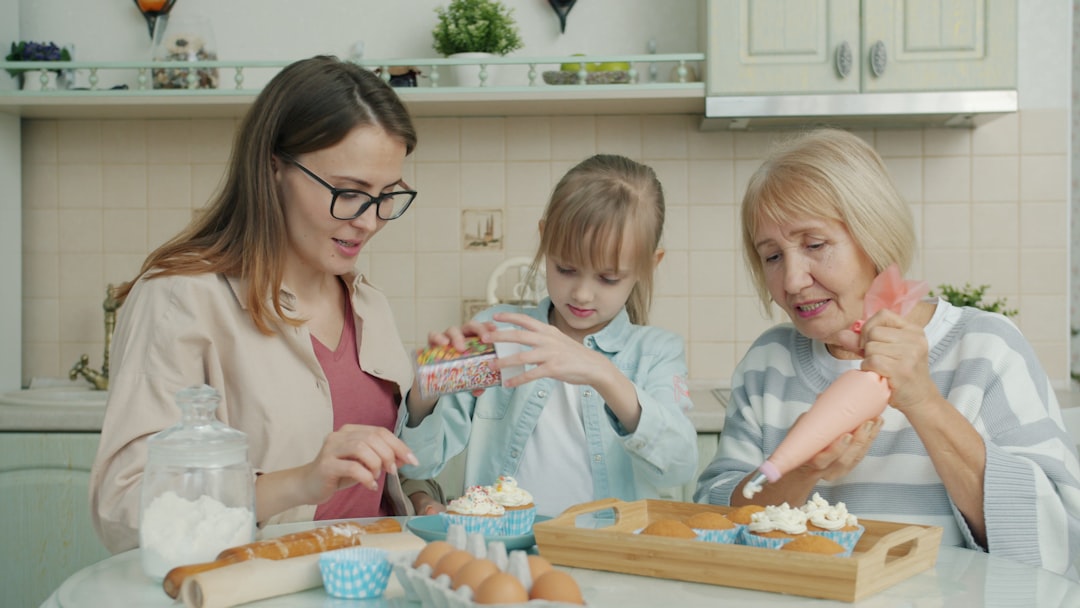
Cover photo by Vitaly Gariev
Public discussions about discounts, social programs or special events for grandparents often point toward a broader question: how much ordinary time do generations spend together? Older relatives may hold family history, practical knowledge and a perspective shaped by different economic and cultural conditions. Younger people may bring new technology, energy and access to parts of life that have become difficult. These relationships can be warm, complicated or distant, and not every family connection is healthy. Where contact is welcome and safe, however, regular low-pressure time together can support belonging for everyone without requiring elaborate celebrations.
Choose repeatable contact over grand gestures
A weekly call, shared lunch or short visit often builds more connection than an ambitious annual gathering. Predictability helps older relatives plan and reduces the awkwardness of waiting to see who will initiate contact. Keep the arrangement realistic for work, caregiving and travel. Ten attentive minutes can be more meaningful than a long visit spent looking at phones. When distance is a barrier, use video calls, voice messages or mailed photographs. Technology should serve the relationship rather than become the entire subject. A simple rhythm also makes it easier to notice changes in health, mood or practical needs without turning every conversation into an assessment.
Ask for stories with specific prompts
Broad questions such as tell me about your life can feel overwhelming. Ask about a first job, a childhood meal, a local place that changed or how the family celebrated a particular holiday. Bring an old photograph or object as a prompt. Listen without correcting every date or detail. Memory is not a perfect archive, and the value may lie in perspective rather than exact chronology. Record stories only with permission, and decide together how they may be shared. These conversations can strengthen identity for younger relatives while allowing older people to be known as complete individuals rather than only through their current age or health.
Share skills in both directions
Intergenerational contact works best when help is not assumed to flow only toward the older person. A grandparent may teach cooking, gardening, repair, language or family customs. A younger relative may help with a phone, online booking or transportation app. Ask before taking over a task. Completing everything quickly can unintentionally reduce independence or create embarrassment. Explain steps, write simple instructions and respect the right to decline new technology. Likewise, do not romanticize older knowledge or demand unpaid labor. Mutual exchange is valuable because each person remains a contributor rather than being placed permanently in the role of helper or recipient.
Adapt activities to energy and access
Connection does not require long travel or physically demanding plans. Try a café at a quiet time, a drive through a familiar neighborhood, a card game, a garden visit, a sports broadcast or preparing one dish together. Consider hearing, mobility, temperature, seating and toilet access. Ask what feels comfortable instead of deciding based on age alone. Some older adults want adventure, while others prefer a short predictable outing. Flexible plans reduce pressure on everyone. If health conditions are involved, follow clinical advice and avoid treating a family visit as medical supervision unless that responsibility has been clearly agreed.
Respect complicated histories and boundaries
Not every older relative is kind, emotionally safe or entitled to access. Family history may include neglect, prejudice, manipulation or conflict that age has not erased. Contact can be limited, structured or avoided when needed. A person may choose public meetings, shorter visits or no discussion of certain topics. Caregiving expectations also deserve explicit conversation rather than assumptions based on gender or family role. Compassion for aging can coexist with boundaries. Where relationships are strained but potentially repairable, a neutral activity may feel safer than forcing an emotional conversation. Professional support can help when family dynamics create significant distress.
Include older people in current life
Visits often focus entirely on the past or on health updates. Share present-day interests too. Ask for opinions about a work decision, show a creative project, discuss local news or invite an older relative to an ordinary family meal. Avoid speaking over them or treating them as fragile when they have not requested help. Inclusion means being part of ongoing life, not only being remembered on special occasions. It may also involve practical accessibility, such as larger text, clear transport plans or extra time to respond. Small accommodations can preserve participation without reducing the person to their limitations.
Conclusion
Time with older relatives can offer continuity, mutual learning and a stronger sense of family, but it works best when it is regular, respectful and adapted to the people involved. Choose manageable contact, ask specific questions, exchange skills and include older people in present life rather than only revisiting the past. At the same time, protect boundaries where relationships are harmful or caregiving expectations become unfair. Intergenerational connection is not automatically harmonious. It becomes meaningful through attention, consent and the ordinary repetition of showing up.