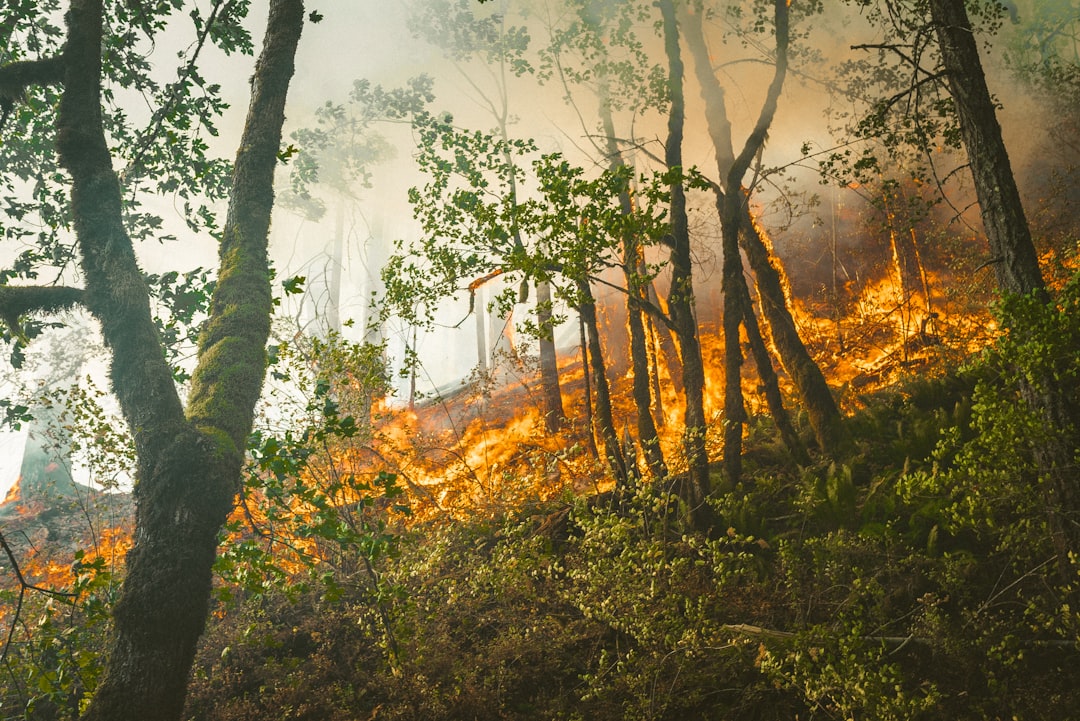
Cover photo by Karsten Winegeart
Wildfire smoke can travel far beyond the flames that produced it, turning an ordinary summer day into a period of hazy skies, closed windows and disrupted routines. Even people who are not close to a fire may find that outdoor exercise feels uncomfortable or that the air inside their home seems stale. The most useful response is neither panic nor indifference. It is a practical plan that reduces exposure, keeps the household comfortable and makes room for normal life. Air quality alerts are temporary, but the habits used during them can also improve how prepared you feel for future heat, storms and other environmental disruptions.
Start with reliable air-quality information
Check a trusted local air-quality service rather than judging conditions only by smell or visibility. Smoke particles can be present even when the sky looks fairly normal, while a dramatic sunset does not by itself tell you how risky the air is. The Air Quality Index is designed to translate pollution measurements into categories that are easier to act on. Pay attention to the current reading, the forecast and any guidance for sensitive groups. People with asthma, heart or lung conditions, older adults, children, pregnant people and outdoor workers may need to take precautions sooner. If official advice conflicts with a social-media post or a neighborhood rumor, use the official guidance as your starting point.
Create one cleaner room at home
Trying to make an entire building perfectly sealed can be expensive and unrealistic. A more manageable approach is to choose one room where household members can spend time when smoke is heavy. Keep its windows and doors closed, reduce unnecessary traffic in and out, and use a portable air cleaner that is appropriately sized for the room when available. The United States Environmental Protection Agency also recommends avoiding indoor activities that create extra particles, including smoking, burning candles and some forms of high-heat cooking. A cleaner room can be a bedroom, living room or home office. Comfort matters too, so include water, chargers, books and anything needed for work or rest.
Adjust ventilation without overheating
Closing windows helps limit outdoor smoke, but it can create another problem during hot weather. A home that becomes dangerously warm is not a safe refuge. Use air conditioning when available, and set systems to recirculate indoor air if the equipment allows it. Check whether the filter is suitable for the system rather than installing a dense filter that the fan cannot handle. If the home cannot stay cool, if power is lost or if smoke is entering heavily, consider spending time in a public building with filtered air. Libraries, shopping centers and designated clean-air shelters may be useful. The goal is to reduce smoke exposure while still protecting against heat and dehydration.
Move exercise and errands to safer times
A poor-air day does not require abandoning movement altogether, but it may require changing the type, time and location of activity. Check hourly forecasts and schedule essential errands when conditions are expected to improve. Replace a long outdoor run with gentle indoor mobility work, resistance exercises or walking in a large indoor public space. The World Health Organization emphasizes regular activity across the week, not perfection on every individual day. Missing one hard workout is less important than avoiding unnecessary exposure. Outdoor workers and people who must travel should follow local occupational guidance. When authorities recommend respiratory protection, a properly fitted, approved respirator offers more protection from smoke particles than a loose cloth or surgical mask.
Reduce the emotional strain of a smoky day
Environmental alerts can make people feel trapped, especially when children are restless, outdoor plans are cancelled or news coverage is alarming. Give the day a simple structure. Decide when you will check updates, what indoor activities are available and which tasks can wait. Continuous monitoring rarely improves safety once you already know the current guidance. Choose calm, absorbing activities such as cooking with low-particle methods, organizing photographs, reading, calling a friend or completing a small household project. If several people share the space, agree on quiet periods and active periods. A plan reduces the feeling that the day is merely being endured.
Prepare a small smoke-season kit
Preparation makes future alerts less disruptive. Store a few well-fitting respirators, replacement air-cleaner filters, basic medications, water and a written list of local information sources. People who rely on prescription inhalers or other essential treatment should follow their clinician’s advice and avoid waiting until supplies are nearly finished. Keep windows and door seals in reasonable condition, and learn how the home’s heating or cooling system handles outside air. A battery bank and a simple indoor air monitor can be useful but are not substitutes for official guidance. The kit does not need to be elaborate. Its purpose is to remove last-minute decisions when conditions suddenly worsen.
Conclusion
Wildfire smoke is unsettling because it changes both the air and the rhythm of daily life. A balanced response focuses on the factors you can influence: accurate information, cleaner indoor air, sensible changes to exercise, protection from heat and a calmer household routine. Seek medical advice for concerning symptoms or questions related to an existing condition. For everyone else, small preparations and flexible plans can turn an air-quality alert from a chaotic interruption into a manageable period of care.