Cover photo by Global Residence Index
Few administrative problems feel as avoidable as discovering an expired passport before a trip or being unable to find an identity document when an application is due. Important papers are used infrequently, which makes them easy to forget until a deadline creates urgency. A simple document system reduces stress without requiring elaborate filing equipment. The aim is to know what you have, where the originals are stored, when they expire and how to access essential information if something is lost. Because identity and legal documents are sensitive, convenience must be balanced with security and local requirements.
Create one inventory without copying more data than necessary
List the documents held by each household member, such as passport, identity card, driving licence, residence permit, insurance policy and important certificates. Record expiration dates and the location of the original. Avoid placing full identification numbers in an unsecured spreadsheet or note. The inventory should help you find and renew documents, not become a complete identity theft package. For families, include documents required for children and any consent forms commonly needed for travel. Review the list once or twice a year.
Store originals in one secure and sensible place
Choose a location protected from casual access, moisture, fire risk and accidental disposal. A locked cabinet or suitable home safe may be appropriate. Do not hide documents so cleverly that other trusted household members cannot find them in an emergency. Separate frequently carried cards from rarely used certificates. Use labelled folders rather than loose stacks. Very valuable or difficult-to-replace documents may justify professional secure storage, depending on local options. Consider who needs access if you are hospitalized or away.
Set renewal reminders well before expiry
Travel rules may require a passport to remain valid for months beyond the return date. Processing times can also vary. Set calendar reminders at several intervals, such as nine months and six months before expiration, based on the document and likely travel. Do the same for driving licences, visas, permits and professional credentials. A reminder should include the official renewal link or the next action, not only the date. Check information from the issuing authority because requirements and fees can change.
Keep secure digital copies for reference and emergencies
A scanned copy can help when reporting loss or completing forms, but it does not replace the original where the original is required. Store copies in an encrypted service or protected device with strong authentication. Avoid leaving them in an ordinary email inbox, shared photo album or unprotected downloads folder. Give access only to people who genuinely need it. When sending a copy to an organization, confirm the request and use the approved channel. Add a watermark indicating the purpose and date when appropriate and accepted.
Prepare a small travel document routine
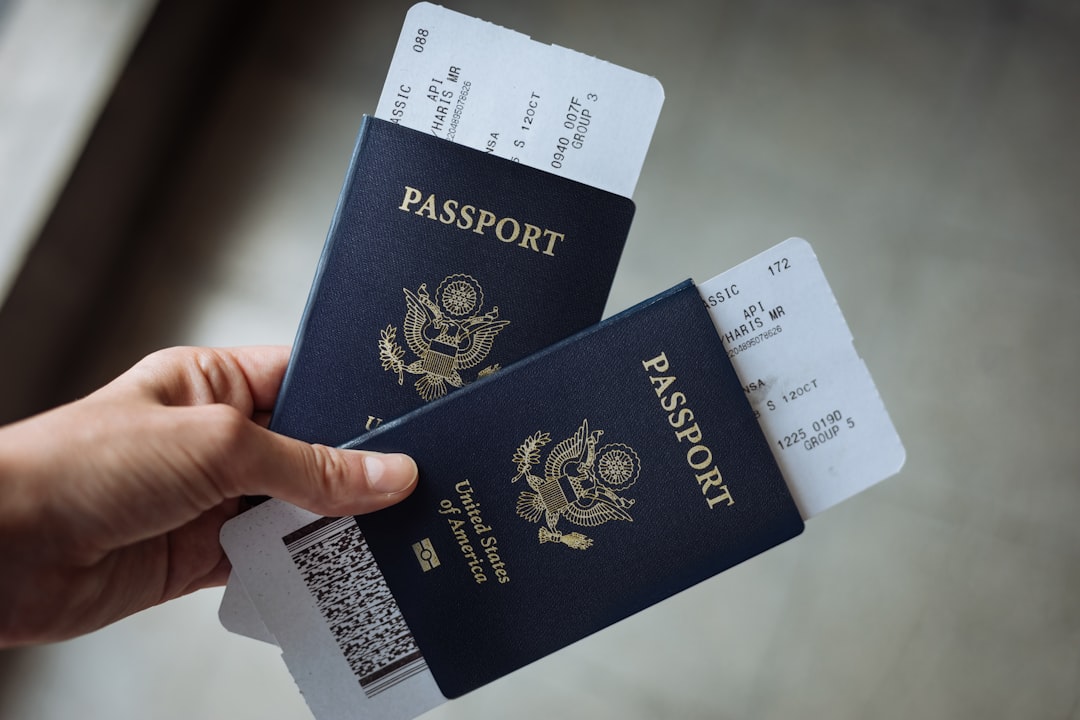
Before a trip, check validity, visa requirements, names on bookings and any special rules for children. Keep documents in the same secure travel wallet and return them there after each use. Do not carry every original document you own. Store a copy separately from the passport and know how to contact your embassy, insurer and travel provider. At hotels or rental counters, avoid leaving documents unattended longer than required. After returning home, put everything back immediately rather than leaving passports in luggage for months.
Know what to do if a document is lost
Loss is stressful, but a prepared response reduces the damage. Report stolen or missing documents to the issuing authority and police when required. Contact banks or service providers if cards or identifying information were exposed. Use official websites and numbers because scammers may target people searching urgently for replacement services. Keep a written checklist with relevant authorities, especially when travelling. Replacement procedures differ by country, so current official guidance is essential.
Conclusion
Document organization is a small administrative habit with a large calming effect. Keep a limited inventory, store originals securely, set early reminders and protect digital copies. A reliable system means you do not need to remember everything, only where to look. Ten minutes of review a few times a year can prevent rushed applications, cancelled travel and the unsettling feeling that important parts of life are scattered across drawers and devices.