Cover photo by Aaron Burden
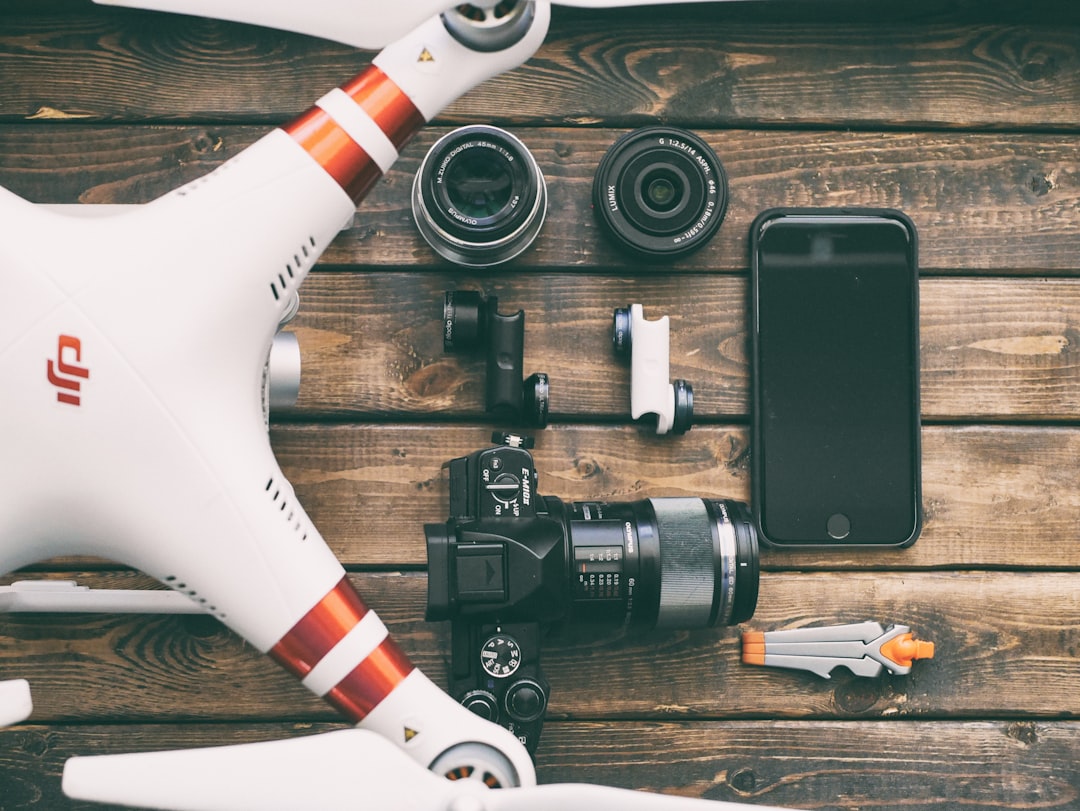
Consumer drones make it possible to photograph landscapes, inspect a roof or simply enjoy learning a new skill. They can also create tension quickly. A small aircraft above a garden, beach or apartment building may feel intrusive even when the operator has no harmful intention. Regulations differ by country and can change, so responsible flying begins with checking current local rules. Yet legality is only part of the issue. A considerate drone hobby also requires judgment about noise, privacy, wildlife and the mood of the place. The best flights are not only technically successful. They leave other people and the environment largely undisturbed. Approaching the hobby this way reduces conflict and makes it easier to keep enjoying it over time.
Learn the rules before choosing a flight location
Drone requirements may cover registration, operator identification, maximum altitude, visual line of sight, restricted zones, airports, government buildings and insurance. Some places also restrict cameras or require permission from landowners. Do not rely on an old forum post or a map saved months ago. Use current information from the relevant aviation authority and any official local applications. Travellers should check both national rules and site-specific restrictions. A beach, park or historic area may have its own policy even when the surrounding airspace appears open. Build rule checking into the hobby rather than viewing it as an obstacle. A short pre-flight routine can prevent fines, dangerous encounters and the disappointment of losing equipment. Legal questions should be directed to the appropriate authority or a qualified local professional.
Choose places where your presence makes sense
A technically permitted location can still be a poor social choice. Flying near a wedding, memorial, crowded playground or quiet garden may disturb people who did not agree to become part of your activity. Look for open areas with clear sight lines and enough distance from homes, roads, animals and groups. Visit the location without the drone first if possible. Notice wind channels, power lines, nesting birds and areas where people gather. Early morning may be less crowded, but noise can travel farther in quiet conditions. Ask permission when using private land. A respectful conversation with a landowner or nearby resident often prevents misunderstanding. Good location choice is one of the easiest ways to make flying calmer for everyone.
Treat privacy as more than a camera setting
People cannot always tell where a drone camera is pointing. Even when you are filming a landscape, someone below may reasonably feel watched. Avoid hovering near windows, balconies, back gardens and private gatherings. Frame shots so identifiable people are not central unless they have consented. Review footage before sharing it and remove material that exposes addresses, number plates, children or private activity. Social media can spread a casual clip far beyond its original audience. Think about whether the image would still feel acceptable if the person filmed saw it. Privacy-respecting habits protect other people and also protect the operator from conflict, complaints and regret.
Reduce noise and avoid repeated hovering
Drone noise can be surprisingly persistent, especially when the aircraft stays in one position. Plan the shot before takeoff so the flight is purposeful and relatively short. Practise controls in a suitable open area rather than repeatedly correcting position above homes or visitors. Keep spare batteries organized, but resist turning one flight into an hour of continuous buzzing. If someone nearby appears uncomfortable, consider landing and speaking with them rather than insisting on your right to continue. Courtesy does not require surrendering every hobby whenever another person notices it. It means weighing your enjoyment against the intensity and duration of the disturbance.
Give wildlife more space than you think it needs
Birds and other animals may interpret a drone as a predator or threat. Nesting seasons, coastal colonies and protected areas require particular caution. Never chase animals for dramatic footage. If birds begin circling, calling, diving or leaving a nest, move away and land. The absence of an immediate reaction does not prove that the animal is unaffected. Local conservation bodies may publish specific guidance beyond aviation rules. Use a zoom lens or ground-based camera when distance is essential. A successful nature image should not depend on forcing wildlife to change its behaviour.
Create a calm pre-flight and post-flight routine
Rushed flying leads to forgotten checks and poor decisions. Before takeoff, review weather, battery condition, propellers, return-to-home settings, storage capacity and the planned route. Tell anyone accompanying you what to expect. During the flight, keep attention on the aircraft rather than becoming absorbed in the screen. After landing, inspect the equipment, back up useful footage and record any issue while it is fresh. A routine lowers anxiety because fewer decisions are made under pressure. It also helps distinguish a deliberate hobby from impulsive gadget use.
Conclusion
Responsible drone flying combines technical skill with awareness of place. Current regulations set the minimum boundaries, while privacy, noise, wildlife and courtesy determine whether the activity feels acceptable to others. Choose spacious locations, keep flights purposeful and be willing to land when conditions change. This does not make the hobby less exciting. It makes the experience more sustainable and reduces the chance that a good afternoon becomes an argument, accident or legal problem.