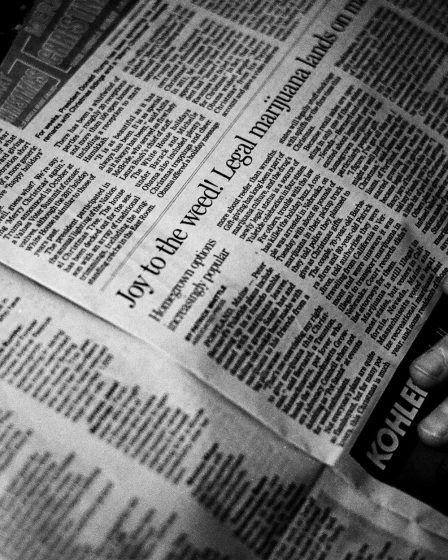
A dramatic claim can reach thousands of people before anyone pauses to ask where it came from. It may involve a public figure, a health warning, a new law, a frightening event or a supposedly hidden video. Some claims are false, while others contain a small accurate detail wrapped in misleading context. Constant fact-checking can become its own form of overload. You do not need to become an investigative journalist every time a friend forwards something. A short verification routine can identify many weak claims quickly and help you decide when more research is worthwhile. The habit is useful not only during major news events. It also applies to local warnings, workplace rumours, product claims and messages shared in family groups. A reliable process reduces both gullibility and cynicism because it replaces instinctive belief or disbelief with a few concrete checks.