Music festivals invite an all-or-nothing mindset. You have paid for the ticket, travelled to the site and received a timetable full of artists, so it can feel wasteful to miss anything. The result is often too little sleep, too much walking, irregular food and a final day spent watching favourite performers through a fog of fatigue. A better festival is not necessarily the one where you see the most sets. It is the one where you still have enough energy to enjoy the performances you care about. Planning around rest, food, weather and transport may sound less exciting than studying the lineup, but these practical choices create the space in which the fun actually happens.
Second-Hand Style: How to Shop Charity Stores Without Buying More Clutter
Second-hand shopping can be inexpensive, creative and environmentally appealing, but it has its own version of impulse buying. A low price can make an item feel automatically sensible, especially when it is unique and may not be there tomorrow. The result can be a wardrobe full of bargains that rarely get worn. Charity shops, thrift stores and resale platforms work best when the hunt remains part of the pleasure without replacing ordinary judgement. You can experiment with colours, formalwear, vintage pieces and unfamiliar brands at lower cost than buying new, while also extending the useful life of clothing. The key is to remember that a five-euro garment still needs space, care and a role in your life. Cheap is not the same as useful.
Fast Food Without the All-or-Nothing Thinking
Fast food is easy to turn into a moral category. One meal becomes evidence that you are eating badly, while a salad becomes proof that you are back on track. That kind of thinking makes ordinary nutrition more complicated than it needs to be. Convenience food exists because people are busy, travelling, tired, socialising or simply enjoy it. The useful question is not whether you should never eat fast food. It is how these meals fit into the wider pattern of what you eat, how often they occur and how they leave you feeling. People with specific medical or nutritional needs may require personalised advice, but most adults can benefit from a more practical approach: choose what you actually enjoy, add balance where convenient and avoid turning one lunch into a referendum on your entire diet.
How to Plan a Mountain Day With Children Without Turning It Into an Expedition
A family hike can be one of the simplest ways to spend a day together: fresh air, movement, changing scenery and enough distance from ordinary routines to make conversation feel different. It can also become stressful surprisingly quickly when the route is too ambitious, the weather changes, someone is hungry or a child simply decides that another kilometre is not happening. The answer is not to carry specialist equipment for every possible emergency or to avoid mountains altogether. It is to plan around the abilities of the least experienced person in the group, leave generous margins and accept that a successful outing may be shorter than the route you originally imagined. With children especially, the quality of the day matters more than the distance covered. A walk that ends while everyone still has energy is far more likely to create enthusiasm for the next one than a heroic push to reach a summit at any cost.
GCSE Results and Exam Stress: How Parents Can Support Without Adding Pressure
Exam results can feel enormous to a teenager because they seem to compress years of work, future plans and other people’s expectations into a page of grades. Parents can feel anxious too, especially when they know certain results affect entry requirements or next steps. The challenge is to support the young person without making your own anxiety another problem they have to manage. NHS guidance on exam stress advises parents to listen, avoid adding pressure, support sleep and routine, and keep results in perspective. That remains useful after the exams themselves are finished. Results matter, but they rarely represent the only route toward a satisfying education or career. The most constructive parental role is often to help the teenager move from an emotional reaction to a practical understanding of what options remain.
Blueberries and Everyday Nutrition: What They Offer and How to Use Them
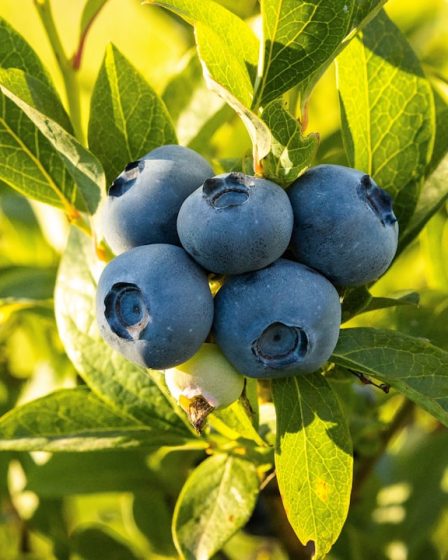
Blueberries have the unusual ability to appear both ordinary and fashionable. They are sold frozen in large supermarket bags, added to breakfast bowls and smoothies, and periodically promoted as though they were a nutritional shortcut capable of solving almost anything. The reality is more useful and less dramatic. Blueberries are simply a nutritious fruit that can fit easily into a varied diet. They provide fibre, vitamins and plant compounds, while their small size and mild flavour make them convenient to use without much preparation. You do not need a special daily dose, an expensive powder or a complicated recipe to benefit from eating fruit. Nor do blueberries need to replace other fruits with different nutrients, textures and prices. Thinking of them as a flexible ingredient rather than a superfood makes it easier to use them in ways that are affordable, enjoyable and realistic.
How to Feel Better During Very Dry Weather
A spell of unusually dry weather can affect much more than the garden. Low humidity often makes everyday life less comfortable, especially when warm temperatures, dust and long hours in air-conditioned rooms are added to the picture. Skin may feel tighter, eyes can become irritated, and exercise outdoors may feel harder than expected. Dry conditions can also make a home feel stuffy even when the temperature is reasonable. The useful response is rarely to overhaul your routine. A handful of small adjustments to hydration, indoor air, exercise and personal care can make dry periods noticeably easier to live through. The aim is not to chase a perfect humidity number or worry about every physical sensation. It is to notice what the environment is asking of you and reduce unnecessary strain while conditions remain dry.
GLP-1 Conversations Without Judgment
A trend can attract attention for a few hours, but the underlying issue often belongs to ordinary daily life. Glp-1 weight management medicines can influence attention, mood, household planning and the way people speak to one another. The challenge is to respond thoughtfully without turning uncertainty into panic or a temporary interest into another demanding self-improvement project. A practical approach asks what matters now, what can wait and which source of guidance is appropriate. It also leaves room for differences in age, health, income, culture and personal experience.
Using a Drone as a Hobby Without Disturbing Other People
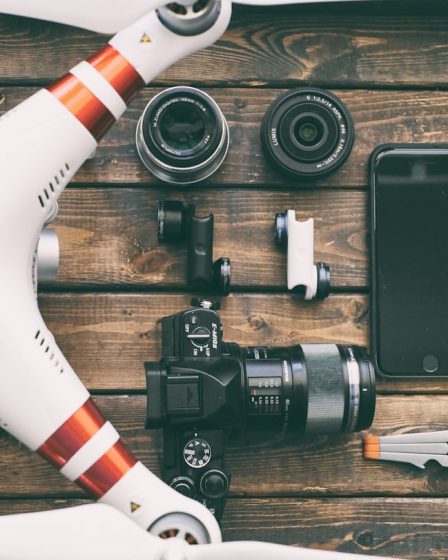
Consumer drones make it possible to photograph landscapes, inspect a roof or simply enjoy learning a new skill. They can also create tension quickly. A small aircraft above a garden, beach or apartment building may feel intrusive even when the operator has no harmful intention. Regulations differ by country and can change, so responsible flying begins with checking current local rules. Yet legality is only part of the issue. A considerate drone hobby also requires judgment about noise, privacy, wildlife and the mood of the place. The best flights are not only technically successful. They leave other people and the environment largely undisturbed. Approaching the hobby this way reduces conflict and makes it easier to keep enjoying it over time.
How to Think About Rising Gold Prices Without Making an Emotional Investment Decision
When gold prices rise sharply, headlines often describe the metal as a safe haven, a record-breaking asset or protection against an uncertain future. These phrases can create urgency, especially for people worried about inflation, conflict or the value of their savings. Gold may have a role in some investment portfolios, but a rising price does not automatically make it suitable for every person or every goal. Financial decisions should begin with circumstances, time horizon, debt, emergency savings and tolerance for loss. This article offers general educational considerations rather than individualized financial advice. The aim is to help you separate genuine interest from fear of missing out.
How to Protect Your Well-Being During a Long Job Search
Searching for work can look simple from the outside. Find vacancies, send applications and attend interviews. In practice, it combines uncertainty, repeated judgment, financial pressure and long periods of waiting. A person may spend hours tailoring an application and receive no response, then be expected to sound energetic and confident for the next opportunity. When the process continues for months, it can begin to influence sleep, relationships and self-worth. A healthier job search does not deny the importance of finding income or meaningful work. It creates enough structure and emotional distance to keep the process from consuming every part of the day. The aim is to remain active without treating constant activity as the only acceptable response to uncertainty.
How to Prepare Your Business Website for a Sudden Surge of Attention
A mention by a popular creator, a television appearance, a major sporting event or a widely shared post can send an unexpected wave of visitors to a small business website. This sounds like an ideal problem, but sudden attention can expose weaknesses that were easy to overlook during ordinary weeks. Pages may load slowly, contact forms may fail, inventory information may be wrong and staff may become overwhelmed by messages. There can also be a security dimension. Public attention makes a site more visible not only to potential customers but also to automated scanners, opportunistic attackers and people trying to imitate the brand. Preparation does not require predicting exactly when a surge will happen. It means creating enough capacity, clarity and operational calm that attention can be converted into useful relationships rather than confusion. The same preparation improves everyday customer experience, even if the dramatic traffic spike never arrives.
What to Do When a Snake, Raccoon or Other Wild Animal Appears Near Home
An unexpected wild animal near a doorway, garden, street or pet area can trigger immediate fear and curiosity. People may crowd around, reach for a camera, attempt a rescue or try to chase the animal away. Those reactions can increase risk for both humans and wildlife. Most encounters are resolved more safely by creating distance, controlling pets and giving the animal a clear route to leave. The correct response depends on species, location and whether the animal is injured, trapped or behaving unusually. Local wildlife authorities remain the best source for specific guidance, especially where venomous animals or rabies are possible.
How to Enjoy a Major Sports Final Without Losing Sleep, Money or Perspective
A major final can turn an ordinary week into a shared emotional event. Friends arrange watch parties, workplaces debate predictions and people who rarely follow the sport become invested in the result. That collective energy is part of the appeal. Problems arise when excitement pushes aside sleep, spending limits, respectful behavior or the ability to accept disappointment. Enjoying a match fully does not require pretending it is unimportant. It requires creating enough structure that the event adds to life rather than disrupting the days around it. A few decisions made before kickoff can protect both the fun and your well-being.
A Practical Monsoon Routine for Health, Energy and a More Comfortable Home
Monsoon rain can bring relief from heat, replenish water and change the rhythm of a city or village almost overnight. It can also create damp rooms, difficult commutes, muddy shoes, insects and long stretches indoors. The season feels easier when daily routines are adjusted instead of maintained as though the weather has not changed. A useful monsoon plan does not require expensive products or rigid rules. It focuses on dry clothing, safe food and water, comfortable movement, sensible travel choices and a home that can recover between showers. These small systems reduce irritation and leave more energy for work, family and rest.