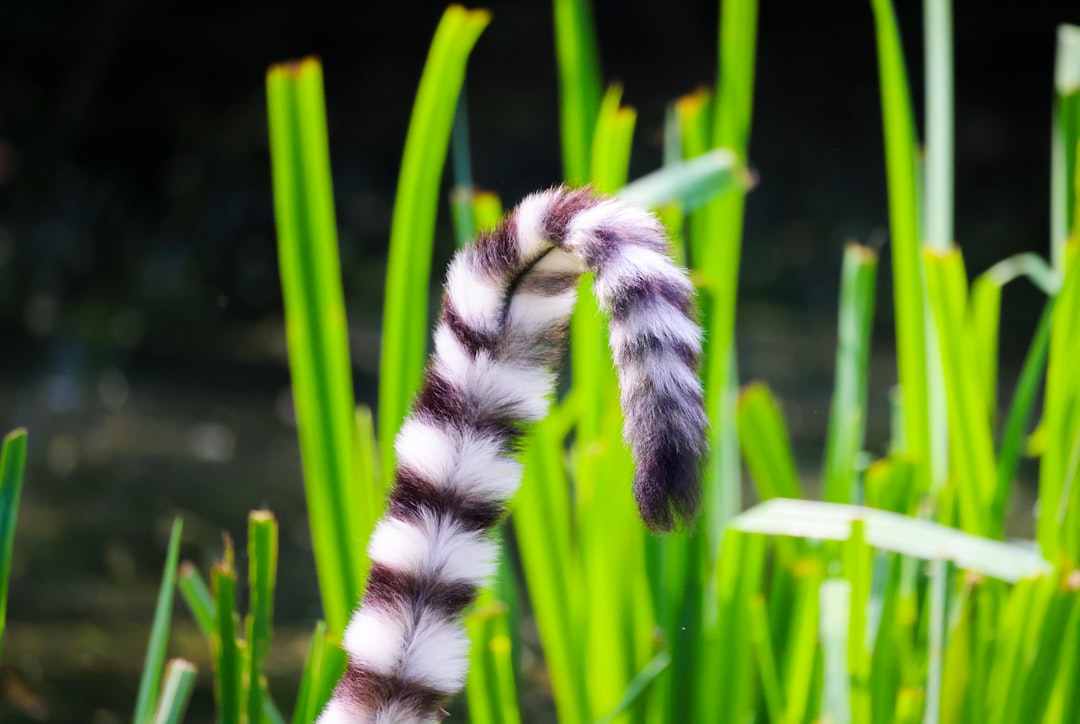
Cover photo by Xiangkun ZHU
An unexpected wild animal near a doorway, garden, street or pet area can trigger immediate fear and curiosity. People may crowd around, reach for a camera, attempt a rescue or try to chase the animal away. Those reactions can increase risk for both humans and wildlife. Most encounters are resolved more safely by creating distance, controlling pets and giving the animal a clear route to leave. The correct response depends on species, location and whether the animal is injured, trapped or behaving unusually. Local wildlife authorities remain the best source for specific guidance, especially where venomous animals or rabies are possible.
Pause and create space
Stop approaching and move children and pets indoors or behind a secure barrier. Do not surround the animal. Wildlife may freeze, hiss, display teeth or move unpredictably when escape routes are blocked. Observe from a distance sufficient to remain safe and use zoom rather than stepping closer for a photograph. If the animal is on a road or public path, warn others without creating a crowd. Many healthy animals leave once the area becomes quiet. Distance is not only self-protection. It reduces stress and makes defensive behavior less likely.
Do not identify a risky animal from memory alone
Colors, patterns and size can vary with age, lighting and location. Online image comparisons may help with general curiosity, but they should not determine whether it is safe to handle an animal. Treat an unfamiliar snake, bat or distressed mammal cautiously and contact local animal control, a wildlife rehabilitator or emergency service according to local guidance. Never pick up a snake with improvised tools or touch a bat with bare hands. If a person or pet is bitten or scratched, seek prompt professional advice. Do not wait for a confident species identification before responding to a possible medical risk.
Remove attractions after the animal leaves
Wildlife often appears because food, shelter or water is available. Secure rubbish, bring pet food indoors, clean fallen fruit and avoid leaving birdseed scattered overnight where it attracts rodents. Seal gaps only after confirming that no animal or young remain inside. Trim vegetation where it creates hidden access immediately beside doors or children’s play areas. Ponds and gardens will naturally attract some wildlife, so the aim is not to sterilize the property. Focus on reducing conflict near high-use areas. Humane prevention is usually more effective than repeated removal because another animal may occupy the same opportunity.
Know when an animal needs professional help
An animal that is visibly injured, entangled, trapped indoors or unable to move may need assistance. Unusual daytime activity is not automatically a sign of disease, because species and circumstances differ. More concerning signs can include severe disorientation, repeated collapse, unprovoked aggression or obvious neurological problems. Keep distance and report clear observations rather than attempting treatment. Young animals found alone are not always abandoned, and parents may be nearby. A licensed rehabilitator can advise whether intervention is needed. Well-intentioned handling can cause injury, separate families or make later rehabilitation more difficult.
Protect pets without escalating the encounter
Keep dogs on a lead in areas with active wildlife and supervise small pets outdoors, especially at dawn and dusk. Vaccinations and parasite prevention should follow veterinary advice. If a pet corners an animal, call it away rather than joining the confrontation. Training a reliable recall can prevent many incidents. After possible contact, check the pet from a safe position and contact a veterinarian when bites, scratches or exposure to a bat or venomous species may have occurred. Do not punish a pet for instinctive curiosity. Adjust the environment and supervision so the same situation is less likely to repeat.
Let the encounter increase understanding, not hostility
A surprising animal can become an opportunity to learn about local habitat, seasonal movement and the effects of urban development. Use reputable regional resources to identify common species and their ecological roles. Share accurate information with neighbors, particularly when rumors are leading to harmful responses. Some animals control pests, disperse seeds or indicate healthy habitat. Appreciation does not require close contact or tolerance of danger inside the home. Coexistence means using proportionate measures, preserving safe distance and involving professionals when risks exceed what a household can manage.
Conclusion
When wildlife appears near home, the safest first steps are usually simple: stop, create distance, bring pets and children inside and leave an escape route. Avoid handling or relying on uncertain identification, and contact local professionals when the animal is dangerous, injured, trapped or behaving abnormally. Afterward, reduce food and shelter that draw wildlife into conflict zones. An encounter does not have to become a crisis or a battle. With patience and appropriate boundaries, people can protect their households while allowing wild animals to move through the environments they also inhabit.