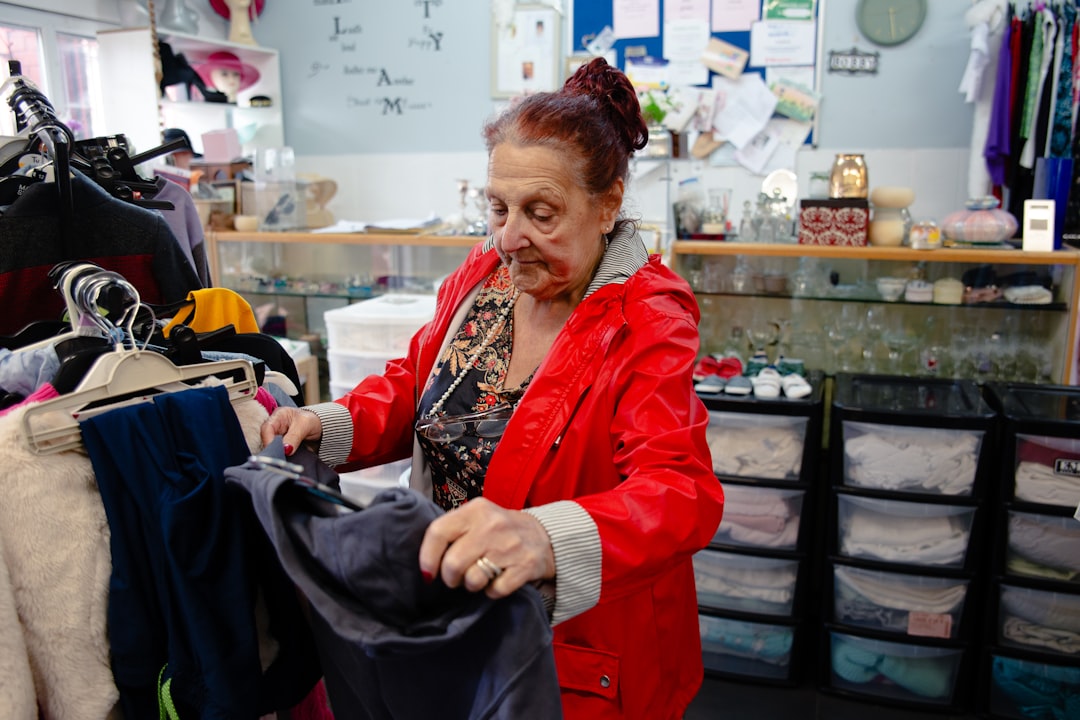
Cover photo by Centre for Ageing Better
Second-hand shopping can be inexpensive, creative and environmentally appealing, but it has its own version of impulse buying. A low price can make an item feel automatically sensible, especially when it is unique and may not be there tomorrow. The result can be a wardrobe full of bargains that rarely get worn. Charity shops, thrift stores and resale platforms work best when the hunt remains part of the pleasure without replacing ordinary judgement. You can experiment with colours, formalwear, vintage pieces and unfamiliar brands at lower cost than buying new, while also extending the useful life of clothing. The key is to remember that a five-euro garment still needs space, care and a role in your life. Cheap is not the same as useful.
Go in with a loose list
Second-hand stores are unpredictable, so a highly specific shopping list can lead to frustration. A loose list works better. You might be looking for a wool jumper, a jacket for work, a formal outfit or summer trousers rather than one exact colour and cut. This gives you direction without removing the exploratory part of the experience. Before shopping, think about genuine gaps in your wardrobe. If you already own four similar coats, finding a fifth at an excellent price does not necessarily solve a problem. A list also helps when browsing online resale platforms, where endless inventory and personalised recommendations can keep you scrolling long after the original need has disappeared.
Judge fit and fabric before the label
A recognised brand can make a second-hand item seem more valuable than it actually is for you. Check how it fits, how the fabric feels and whether there are stains, stretching, missing buttons or difficult repairs. Natural fibres can be attractive, but care requirements matter. A beautiful dry-clean-only garment may not suit your normal routine. Try to imagine wearing the item for several hours rather than only admiring it in the changing room. If alterations are needed, consider their cost and whether you will realistically arrange them. A bargain that remains unworn is still wasted money and space.
Use second hand for experimentation
One of the strengths of thrift shopping is that it lowers the financial risk of trying something different. A brighter colour, unusual cut or formal piece for one event may be easier to experiment with when the price is modest. This is particularly useful if your style is changing after a new job, body change or different stage of life. The experiment should still pass the basic question of whether you can imagine wearing it. Novelty alone is not enough. If an item is mainly amusing in the shop, taking a photograph may preserve the fun without bringing it home.
Formalwear can be especially good value
Wedding outfits, evening dresses, suits and coats are often worn relatively few times before being donated or resold. That can make second-hand shops valuable for formal occasions. Start looking early because finding the right size may take patience. Budget for cleaning or minor tailoring if needed. Avoid assuming that second hand must look obviously vintage or quirky. Many pieces are recent and conventional. If the event has a dress code, focus on whether the outfit works for the occasion rather than whether the original retail price was impressive. Shoes and accessories can also be good second-hand finds, although condition and hygiene deserve practical attention.
Keep the wardrobe circulating
Second-hand shopping becomes more sustainable when clothes continue moving rather than simply accumulating in a new home. Periodically review what you no longer wear and donate, sell or responsibly recycle items according to their condition. Do not use donation as a way to justify unlimited buying, because sorting and processing unwanted clothing also require resources. A simple one-in-one-out rule works for some people, but it is not necessary if your wardrobe is already small or changing. The broader goal is visibility. When you can see and use what you own, new purchases have to compete with real clothes rather than an abstract sense that the wardrobe needs something more. Cleaning and care are worth considering before a purchase becomes part of the wardrobe. Check care labels and wash or clean second-hand clothing appropriately before wearing it, especially items that have been stored for a long time. Some garments need specialist cleaning, while others can be refreshed easily at home. Shoes, hats and accessories deserve a closer condition check because wear patterns can affect comfort. If you enjoy browsing frequently, set a small monthly budget or a physical space limit so the low prices do not quietly become high total spending. A single shelf, rail or storage box can act as a natural boundary. When it is full, something needs to leave before more arrives. That keeps the creative pleasure of searching while preventing bargains from becoming another form of household clutter.
Conclusion
Second-hand shopping is at its best when it combines curiosity with restraint. Use a loose list, judge garments by fit and usefulness rather than labels, and take advantage of resale for experiments or formalwear that would be expensive new. Then keep the wardrobe moving by passing on what no longer serves you. The most sustainable thrift-store purchase is not automatically the cheapest one. It is the piece that becomes part of your actual life instead of another forgotten bargain.