Guide To Inner Harmony

Showing: 1 - 6 of 6 RESULTS
text
Body Nutrition

Fast Food Without the All-or-Nothing Thinking

Fast food is easy to turn into a moral category. One meal becomes evidence that you are eating badly, while a salad becomes proof that you are back on track. That kind of thinking makes ordinary nutrition more complicated than it needs to be. Convenience food exists because people are busy, travelling, tired, socialising or simply enjoy it. The useful question is not whether you should never eat fast food. It is how these meals fit into the wider pattern of what you eat, how often they occur and how they leave you feeling. People with specific medical or nutritional needs may require personalised advice, but most adults can benefit from a more practical approach: choose what you actually enjoy, add balance where convenient and avoid turning one lunch into a referendum on your entire diet.


a clock surrounded by vegetables and a knife
Body Environment Nutrition

Everyday Food Safety: Simple Habits for Eggs, Sprouts and Other Higher-Risk Foods

Food-safety headlines often focus on a particular outbreak, but the useful lesson for everyday cooking is broader. Certain foods need more careful handling because bacteria can be present before anything looks or smells wrong. Eggs, raw sprouts, poultry, unpasteurised products and ready-to-eat foods can carry different risks depending on how they are produced and prepared. National recommendations vary, and people who are pregnant, older, very young or immunocompromised may receive stricter guidance. The aim is not to make every meal feel hazardous. A few consistent habits around storage, handwashing, separation and cooking reduce risk without turning the kitchen into a laboratory. When a specific outbreak or recall is active, follow the advice of your local food-safety authority because the affected products and recommended actions can differ by country.

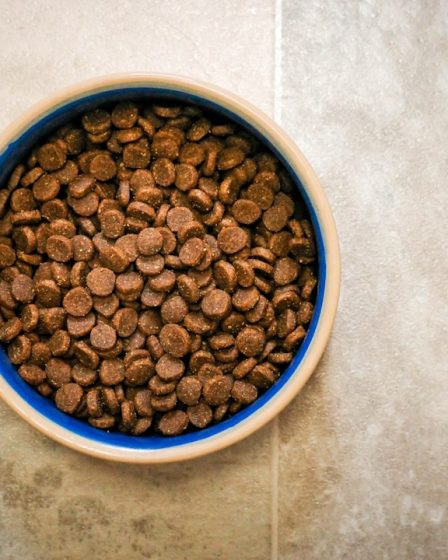
a bowl of dog food on a tile floor
Body Nutrition Relationships

Pet Food Recalls: What to Check Before Throwing Everything Away

A pet food recall can provoke immediate worry because animals cannot explain how they feel and many owners feed the same product every day. The first impulse may be to throw away every bag, tin or treat from the brand, but recalls are usually more specific than the headline. They can apply to particular products, batch codes, package sizes or production dates. A calm response starts with matching the item in your home to the official recall notice and following the instructions provided by the manufacturer, retailer or relevant food-safety authority. If your pet has eaten the product and seems unwell, contact a veterinarian for advice rather than trying to interpret symptoms from social media. General information is useful for organising the response, but the exact recall notice and veterinary guidance should lead the decision.

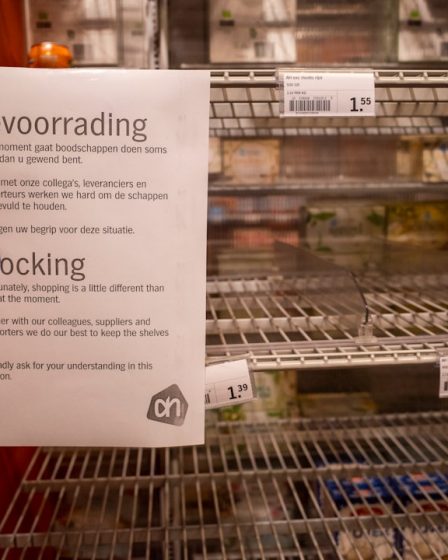
white printer paper on clear glass display counter
Body Nutrition

Food Recall Notices: How to Respond Calmly and Safely

A food recall notice can sound alarming, particularly when the product is already sitting in your refrigerator or has been eaten by someone in the household. The first response is often to search widely online, where older recalls, rumours and unrelated cases can quickly make the situation seem more confusing. A calmer approach is also a safer one. Identify the exact product, check the official recall information and follow the instructions provided by the relevant food-safety authority or retailer. Recall notices may apply only to specific package sizes, production codes or dates rather than every product sold under a brand name. The goal is therefore not to panic about an entire category of food. It is to determine whether the item you actually have is affected and what action the official notice recommends.

woman in white crew neck t-shirt sitting on chair in front of table with foods
Mind Nutrition

How to Respond to a Food Recall Without Panicking or Ignoring It

A food recall can make an ordinary refrigerator suddenly feel uncertain. Headlines may mention contamination, illness or a product found in thousands of stores, while the practical details are buried several paragraphs later. The healthiest response sits between alarm and indifference. Most recalls affect specific products, package sizes, production dates or locations, not an entire category of food. A calm process helps you protect yourself without throwing away everything in the kitchen or becoming afraid of eating. It also creates habits that are useful long after one particular alert has passed.

Nutrition Productivity

Frugal Guide to Global Cuisine: Eating on a Budget Around the World

Eating well doesn’t always mean spending more. As a frugal foodie, you can explore and savor the rich tapestry of global cuisines without breaking the bank. This guide will take you on a culinary journey around the world, offering tips on how to enjoy authentic, flavorful dishes from various cultures while sticking to a budget. From street food stalls to local markets, we’ll uncover the secrets to savory, satisfying meals that won’t strain your wallet.