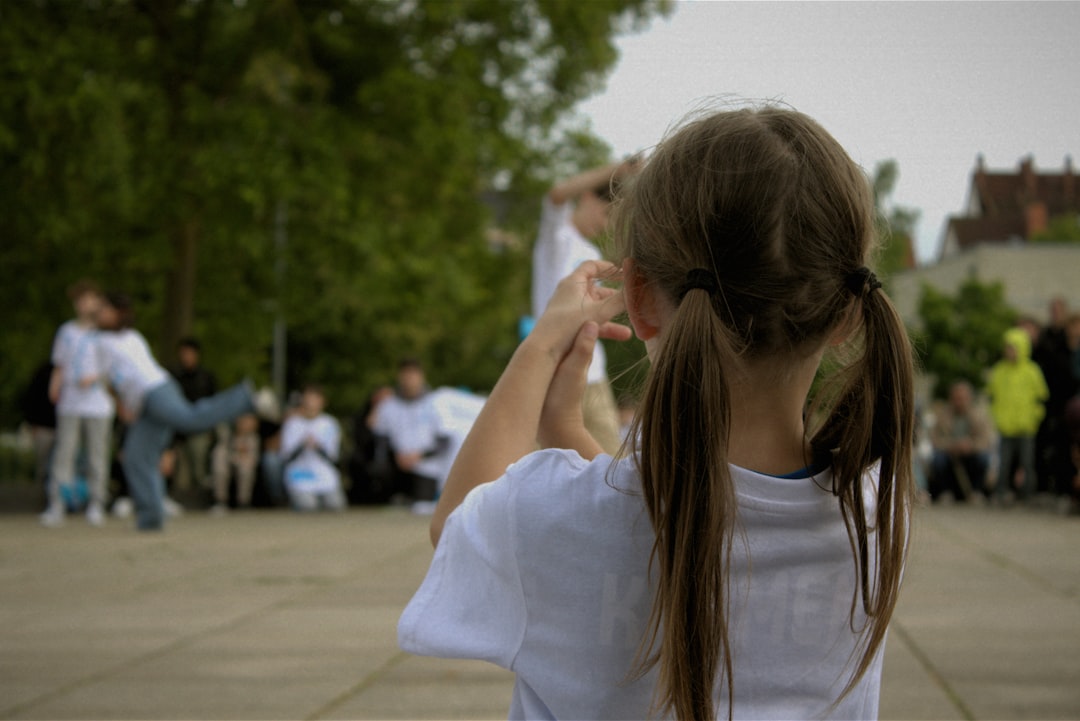
Cover photo by Anton Etmanov
Watching a child compete can produce more emotion than many parents expect. You want them to do well, you notice mistakes, you see opportunities and you may know enough about the sport to have strong opinions about what should happen next. The difficulty is that a child already has a coach, teammates and their own internal reaction to the game. When the journey home becomes another coaching session, sport can begin to feel like a continuous evaluation rather than something they are allowed to enjoy. Parents still have an important role. They handle transport, fees, encouragement, recovery and the wider perspective that a young athlete may not yet have. That role is most helpful when it supports participation without making performance the centre of the parent-child relationship.
Ask what they want from the sport
Children participate for different reasons. Some genuinely love competition and improvement, while others mainly enjoy friends, movement or being part of a team. Those motivations can change over time. Ask open questions about what they enjoy and what they would like to get better at rather than assuming every child wants the highest possible level. If they do have ambitious goals, support the process without turning those goals into your project. A parent may care deeply about a scholarship, selection or tournament result that the child experiences mainly as pressure. Revisit the conversation periodically because what mattered at age ten may not matter at fourteen.
Let the coach coach
From the sideline, keep instructions minimal. A stream of technical commands can conflict with coaching messages and force the child to decide whose voice to follow. It can also make them feel watched rather than supported. Encouragement such as good effort or keep going is different from telling them where to stand, whom to pass to or how to fix a technique during play. If you have concerns about coaching, address them with the coach at an appropriate time rather than through your child immediately after a match. Parents who also have expertise in the sport may find this restraint especially difficult, but separating roles can protect the relationship.
Change the first question after the game
The first few minutes after competition are not always the best time for analysis. Instead of asking why they missed a chance or whether the coach made the right substitution, begin with something neutral such as how they are feeling or whether they want a snack. Some children will immediately want to talk about the game. Others need quiet. Follow their lead. If they later ask for feedback, keep it proportionate and include what went well. Avoid comparing them with teammates. The car ride home is valuable relationship time, and it does not have to become a performance review simply because sport happened beforehand.
Model respect around officials and opponents
Children notice how adults behave when competition becomes frustrating. Criticising officials aggressively, mocking opponents or arguing with other parents teaches that poor behaviour is acceptable when the score matters enough. You can disagree with a decision and still remain respectful. If another adult becomes hostile, avoid joining the escalation. Youth sport depends heavily on volunteers, officials and coaches who may not perform perfectly. A calmer sideline creates a better environment for everyone and lets children focus on playing rather than worrying about adult conflict.
Protect life outside sport
Talented young athletes can end up with schedules that resemble a job. Training, travel and competitions may crowd sleep, school, friendships and unstructured time. Ambitious pathways sometimes require substantial commitment, but more is not automatically better. Watch for signs that the child no longer has room to recover or enjoy other parts of life. Discuss load with qualified coaches and healthcare professionals where appropriate, particularly if pain or repeated injuries appear. It is also acceptable for a child to reduce commitment or stop a sport they once loved. Participation should not become permanent simply because the family has already invested years, money and identity in it. Parents can also protect the child’s sense of ownership by allowing some practical responsibility to shift gradually toward them. Older children can pack parts of their own kit, remember training times, communicate appropriate questions to coaches and decide how they want to prepare for competition. Adults still provide the structure and safety, but not every detail has to remain parent-managed forever. This matters because sport can be a useful place to practise independence. A forgotten water bottle may be inconvenient, but solving small mistakes is part of learning. If parents prevent every discomfort and analyse every performance, the activity can become something the family manages around the child rather than something the child increasingly manages for themselves. That distinction becomes more important as competition and travel grow more demanding. The same perspective helps on difficult days. A poor match, reduced playing time or missed selection can feel enormous in the moment, but parents do not need to solve the disappointment immediately. Listen, acknowledge it and let the next decision wait until emotions settle. Sport offers repeated opportunities to practise coping with outcomes that cannot be controlled, which may be one of its most useful lessons.
Conclusion
Parents can influence whether youth sport becomes a source of confidence or continuous pressure. The most useful support is often quieter than expected: understand what the child wants, let coaches handle technical instruction, keep post-game conversations humane and model respectful behaviour. Winning and improvement can matter without taking over the relationship. Long after a particular season is forgotten, children are likely to remember whether sport felt like something they shared with their parents or something they were constantly judged through.