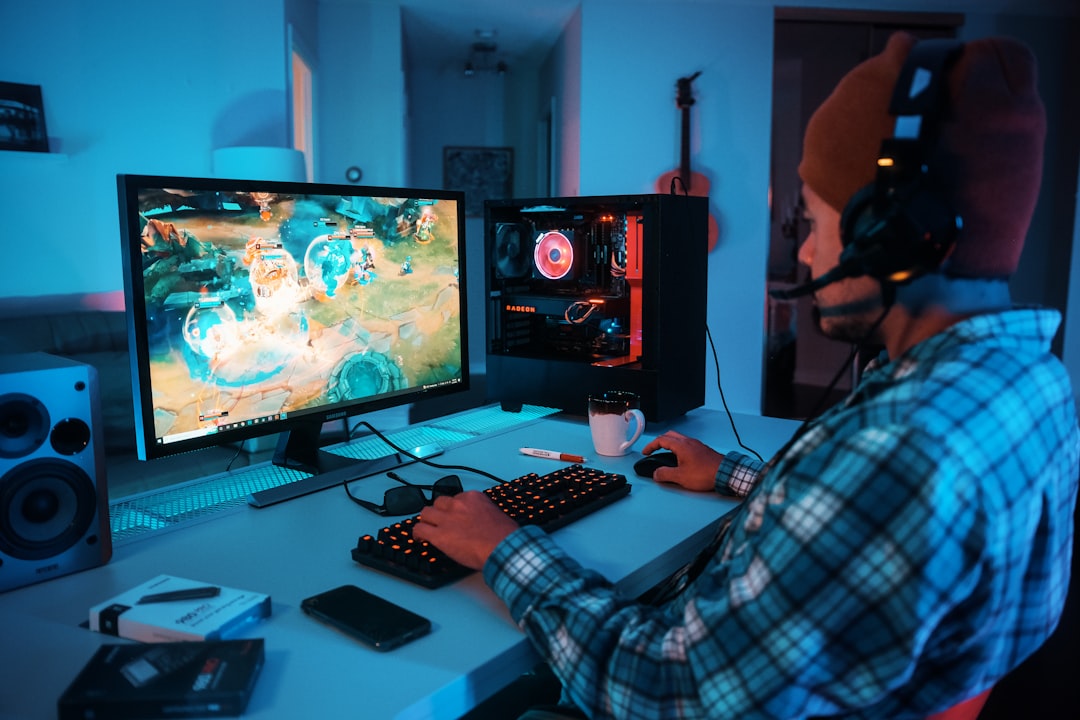
Cover photo by Samsung Memory
Video games can provide challenge, storytelling, competition, creativity and social contact in a way few other forms of entertainment combine. They can also become the automatic answer to every free hour because consoles, phones and online games are designed to make returning easy. The useful distinction is not between gaming and supposedly better hobbies. It is between leisure you choose and leisure you fall into without noticing. A three-hour gaming session with friends can be a satisfying evening. Three hours of repeatedly starting another match while wishing you had gone to bed can feel very different. Keeping games enjoyable is therefore less about strict time limits and more about noticing what role they are playing in the rest of your week.
Know what you want from the session
Before starting, ask what kind of experience you are looking for. Do you want a competitive match, progress in a story, social time with friends or half an hour of low-effort relaxation? Different goals suggest different games and stopping points. A story chapter naturally ends, while online competitive games can continue indefinitely. If you know you have an early morning, choosing something with a clear endpoint may be easier than relying on willpower after one more match. Intention does not remove spontaneity. It simply makes the session more likely to end feeling satisfying.
Protect sleep from endless stopping points
Games are good at creating reasons to continue: a daily challenge, one more level, a near win or friends asking for another round. Decide roughly when you want to stop before the late-night bargaining begins. Use alarms or console tools if they help, but keep the rule realistic. Finishing at a sensible time most nights matters more than enforcing a perfect cutoff once. If gaming frequently pushes sleep later than intended, change the start time or choose a shorter activity on work nights. Sleep loss can make the next day harder, which often increases the desire for effortless leisure again the following evening. Breaking that cycle may improve gaming itself because sessions become something you anticipate rather than recover from.
Keep the body involved
Long sessions can mean hours of sitting in one posture. Use natural breaks to stand, stretch, refill water or look away from the screen. Adjust the chair, display and controller setup so you are not repeatedly straining the neck, wrists or back. If you play on a phone, notice how long you spend bent forward. Physical activity elsewhere in the week does not need to compete with gaming. A walk, gym session or sport can make screen leisure feel more comfortable rather than morally compensating for it. Movement is part of taking care of the body, not punishment for having a sedentary hobby.
Separate spending from playing
Modern games can include battle passes, cosmetic items, randomised rewards and limited-time offers. Decide what entertainment budget is reasonable before the store screen is open. Small purchases can accumulate because digital currencies obscure the real amount being spent. Parents should understand the payment settings on children’s accounts and use available controls where appropriate. Adults can benefit from removing saved payment methods or using a fixed monthly amount if impulse purchases are a recurring problem. Spending money on a hobby is not inherently wasteful. The important question is whether the cost is deliberate and affordable rather than driven by urgency or the fear of missing a virtual item.
Notice when gaming is replacing things you value more
Every hobby uses time, and gaming only becomes a problem when its place in life no longer matches your priorities. Are you repeatedly cancelling plans you wanted to attend, neglecting sleep, avoiding responsibilities or losing interest in activities that normally matter to you? Those patterns are more informative than the raw number of hours. If gaming feels difficult to control or is causing significant distress, relationship conflict or problems with work or study, consider speaking with an appropriate healthcare professional or support service. For most people, simpler adjustments such as scheduled sessions, different game choices or more varied evening activities may be enough to restore balance. Social gaming benefits from boundaries too. Playing with friends can maintain relationships across distance, but online groups may also create pressure to be available whenever others are playing. It is reasonable to say no to a session, leave after the planned round or mute notifications during work and sleep. If a game depends heavily on daily attendance, ask whether that rhythm still feels entertaining or has started to resemble an obligation. Rotating between multiplayer and single-player games can change the pace, as can having evenings where the console remains off without making that a moral achievement. Leisure should contain choice. When the social part is positive, games can be a genuine shared space rather than merely screen time. It can also help to notice the games that consistently leave you feeling good afterwards. Not every popular title deserves your time simply because friends or algorithms keep presenting it. Curating a smaller set of games you genuinely enjoy can make the hobby feel richer while reducing the endless search for the next release.
Conclusion
Gaming can be serious fun without becoming an automatic default. Decide what you want from a session, protect sleep, move during long stretches and keep in-game spending deliberate. Most importantly, judge the hobby by how it fits with the life around it. If games leave you relaxed, connected or satisfyingly challenged and still leave room for responsibilities and other interests, they are doing exactly what good leisure should do.