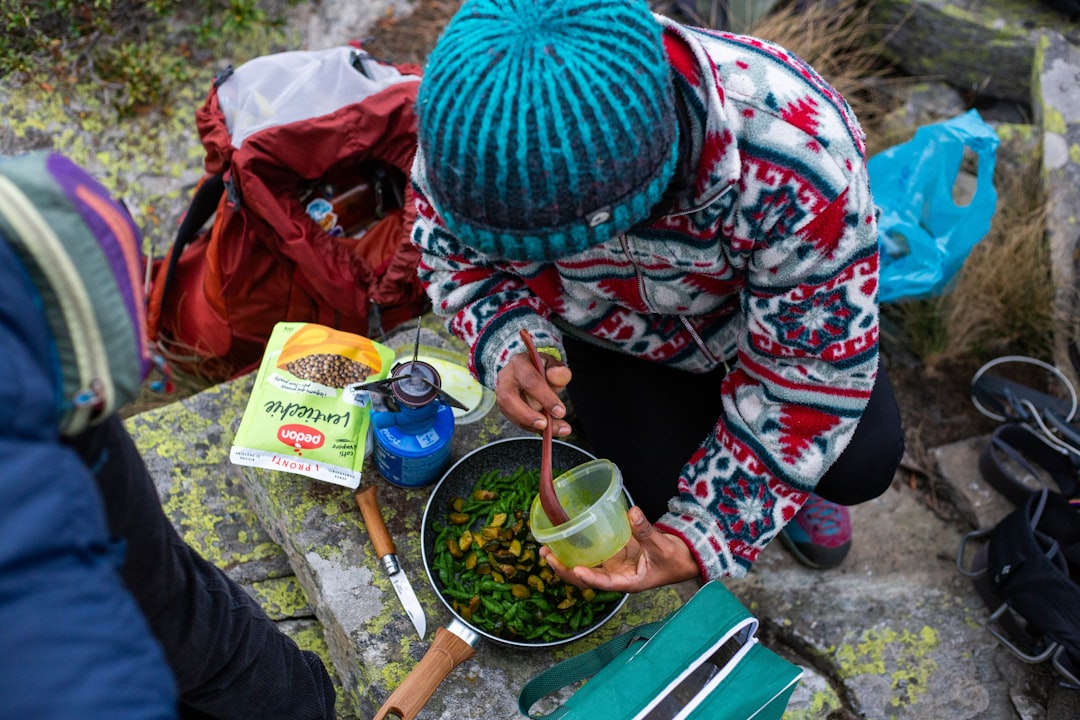
Cover photo by Michele Lana
Travel and food searches show how unfamiliar schedules can turn every meal into either an indulgence or a problem to solve. The useful question is not how to reproduce the news or copy what other people are doing. It is how to turn that interest into a satisfying travel meal that supports energy, digestion, budget and enjoyment without rigid food rules.
Start with the demands of the day
At the outset, a useful travel meal depends on timing, activity, weather and access to the next meal. Consider what the body needs for the next several hours rather than choosing by a universal rule. Look for a practical combination of a carbohydrate source, protein, vegetables or fruit and a drink that suits the day ahead. Write the desired outcome in one sentence before making arrangements. This gives you a reference point when options multiply and separates the central task from attractive but unnecessary additions.
Build the meal from dependable components
For the practical side, a satisfying combination often includes energy, protein, produce and a suitable drink. The exact foods can vary widely according to culture, budget, appetite and personal needs. Use supermarkets, cafés and local dishes flexibly. Portion, timing and food safety may matter more than finding a supposedly perfect item. Put the basics where they will be seen and used. Convenience is not laziness. It is a practical design choice that makes a sensible action more likely on a busy or tiring day.
Use local options without chasing perfection
Before committing, supermarkets, cafés, stations and local dishes can all provide workable meals. Compare realistic choices and enjoy regional food without requiring every plate to meet an idealized standard. Follow allergy and medical requirements carefully, use reputable food businesses and seek advice for persistent or severe symptoms. Keep any checklist selective. A list containing every theoretical concern can raise anxiety and hide the few actions that genuinely change the outcome.
Keep food safety practical
During the experience, hand hygiene, storage temperature, clean water and reputable preparation matter more than anxiety about unfamiliar ingredients. Follow local advice and use extra caution with allergies or medical restrictions. When sharing meals, state necessary restrictions clearly while allowing others to choose differently. Notice the earliest sign that an adjustment is needed. Changing pace while there is still time, energy and goodwill is easier than recovering after all three have been depleted.
Handle different needs respectfully
When other people are involved, shared meals are easier when necessary restrictions are stated clearly and early. Other preferences can remain personal without becoming commentary on what companions should eat. If one meal is heavy or unbalanced, return to normal eating at the next opportunity rather than compensating with restriction. Specific requests reduce misunderstanding. Say what you can offer, what is outside your capacity and when the arrangement should be reviewed, then leave space for the other person’s needs.
Return to normal after an imperfect meal
Once the immediate demand has passed, a delayed, heavy or less varied meal is not a health emergency for most people. Resume everyday eating and hydration at the next opportunity instead of compensating through punishment or restriction. Keep a few dependable portable options and learn one useful local phrase for dietary needs before the next trip. Delay major judgments until basic needs have been restored and immediate pressure has passed. Decisions made after food, rest and reliable information are often more proportionate.
Create a small travel-food toolkit
Looking beyond the first attempt, a few portable snacks, a refillable bottle and one reliable ordering phrase can reduce stress. Replenish the kit after each journey so it remains useful rather than becoming forgotten luggage. Treat a satisfying travel meal that supports energy, digestion, budget and enjoyment without rigid food rules as the measure of success. A plan is useful when it supports the person living it, not when it merely looks complete from the outside. Keep only the parts that earn their place. A modest routine continued for months has more influence on quality of life than an impressive system used twice.
Conclusion
The strongest version of this plan is one that still works on an ordinary, imperfect day. Aim for a satisfying travel meal that supports energy, digestion, budget and enjoyment without rigid food rules, protect the essentials and simplify any part that repeatedly consumes more energy than the benefit it provides. A useful plan should also respect money, time and attention. If the arrangement repeatedly creates resentment or exhaustion, simplify it and test a smaller version for two weeks. Record what changed, what became easier and what still needs support. This turns vague self-criticism into information and keeps improvement connected to everyday life. It can help to decide in advance what would justify extra support. That might be persistent distress, a safety concern, an unresolved financial consequence or a problem that keeps returning despite reasonable changes. Asking for qualified help at that point is a practical decision, not an admission that the whole approach failed. Finally, compare the plan with the week you actually have. Protect essential commitments, allow for tired days and choose a fallback that preserves the main benefit. Flexibility is what lets a routine continue when motivation is ordinary and circumstances are less convenient than expected.