Fashion trends can be genuinely fun. A particular haircut, shoe, colour or silhouette appears everywhere and suddenly makes familiar clothes look different. The difficulty is that online trend cycles move much faster than most wardrobes need to. What feels essential this month may be replaced by another aesthetic before the purchase has been worn five times. Avoiding that cycle does not require rejecting fashion or building a wardrobe entirely from timeless neutral basics. It requires separating enjoyment from automatic acquisition. You can follow style, experiment with appearance and occasionally buy something trend-driven while still maintaining a wardrobe that fits your budget, storage space and everyday life. The most useful question is not whether an item is trendy. It is whether the trend offers something you will actually enjoy wearing once the novelty has faded.

Productivity
Mindfulness in the workplace, time management, focus and concentration, productivity techniques
Retirement Without the Empty Calendar: Building a Balanced New Routine
Retirement is often imagined as permanent free time, which sounds wonderful while work is consuming most weekdays. Yet removing the structure of employment can create an unexpected question: what is Tuesday for now? Work provides more than income. It creates deadlines, social contact, physical movement, identity and a reason to leave the house at particular times. Some people are delighted to lose all of that structure, while others discover they miss parts of it. A satisfying retirement does not require replacing employment with an equally busy schedule. It does benefit from a few reliable anchors. The aim is to create enough shape that days do not blur together while preserving the flexibility that retirement was supposed to provide. The right routine will differ between someone eager to travel, a person caring for grandchildren, someone managing health limitations and a retiree who wants a quieter life.
Low-Cost Air Travel Without the Usual Stress Spiral
Low-cost airlines have made short international trips possible for many people who would otherwise travel less, but the cheap headline fare can come with a complicated set of decisions. Baggage dimensions, airport transfers, seat selection, check-in rules and optional extras can turn a simple booking into an exercise in avoiding mistakes. None of this means budget airlines are inherently stressful. They work well when you understand that the product is transportation with fewer inclusions, not a discounted version of every full-service experience. The calmest approach is to calculate the real trip cost, pack deliberately and remove unnecessary airport decisions before departure. A twenty-euro ticket is not a bargain if reaching the airport costs more than the flight or a baggage fee appears because you misunderstood the rules. Equally, paying for one useful extra can be better value than spending the entire journey protecting the cheapest possible fare.
GCSE Results and Exam Stress: How Parents Can Support Without Adding Pressure
Exam results can feel enormous to a teenager because they seem to compress years of work, future plans and other people’s expectations into a page of grades. Parents can feel anxious too, especially when they know certain results affect entry requirements or next steps. The challenge is to support the young person without making your own anxiety another problem they have to manage. NHS guidance on exam stress advises parents to listen, avoid adding pressure, support sleep and routine, and keep results in perspective. That remains useful after the exams themselves are finished. Results matter, but they rarely represent the only route toward a satisfying education or career. The most constructive parental role is often to help the teenager move from an emotional reaction to a practical understanding of what options remain.
Why Comfort Films Can Be Good for an Overloaded Week
There are evenings when choosing a new film sounds more demanding than entertaining. After scrolling through recommendations, reading reviews and debating several options, you may end up returning to something you already know almost by heart. Comfort films are sometimes dismissed as lazy viewing, yet familiarity can be exactly what makes them useful. A known story reduces decision-making and uncertainty. You already know which scenes are tense, whether the ending is satisfying and roughly how the experience will feel. That does not mean familiar entertainment should replace curiosity or become the only way you unwind. It simply means repetition can serve a legitimate purpose. Renewed interest in beloved animated films such as My Neighbor Totoro illustrates how stories can remain meaningful long after their first release. The broader lesson is less about any particular film and more about why returning to familiar fictional worlds can fit naturally into a balanced week.
The Case for Slow Looking: How an Art Exhibition Can Become a Real Break
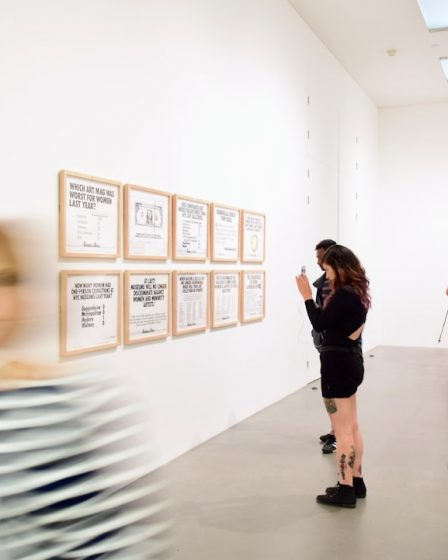
Popular exhibitions can turn art into another form of speed. Visitors move from famous painting to famous painting, photograph the label, check the time and leave with the strange feeling that they have completed something rather than experienced it. Slow looking offers a different approach. Instead of trying to see everything, you deliberately spend longer with fewer works. The practice requires no art-history expertise and no special ability to interpret symbolism. It simply asks you to give visual attention enough time to develop. A painting that seems straightforward in the first ten seconds may reveal unusual light, awkward proportions, tiny gestures or changes in mood after several minutes. This can make a museum visit more absorbing and less tiring. When exhibitions around artists such as Vermeer draw renewed attention to museum-going, the useful lesson is not that everyone must appreciate a particular painter. It is that looking carefully can itself be a satisfying form of leisure.
A Practical Weekly Money Check-In That Reduces Financial Clutter
Money worries often become louder when the numbers themselves are vague. You may know that several bills are approaching, that spending has been higher than usual or that an annual payment is somewhere on the horizon, without having a clear picture of what actually needs attention. A short weekly money check-in can reduce that background uncertainty. This is not the same as building an elaborate budget or monitoring every purchase. The purpose is simply to create a regular point at which you look at what has happened, what is coming next and whether anything requires action. Twenty or thirty calm minutes can be more useful than repeatedly checking a banking app throughout the week. The routine is especially helpful for people who dislike financial administration because it gives money a defined place in the schedule rather than allowing it to interrupt the rest of life whenever anxiety appears.
Interest Rate Uncertainty Without Household Panic
Interest rate news can influence attention, mood, household planning and the way people speak to one another. The challenge is to respond thoughtfully without turning uncertainty into panic or a temporary interest into another demanding self-improvement project. A practical approach asks what matters now, what can wait and which source of guidance is appropriate. It also leaves room for differences in age, health, income, culture and personal experience.
Debt Stress and a Workable First Plan
This topic reflects a practical question – how should an ordinary person respond without overreacting? Debt stress can influence attention, mood, household planning and the way people speak to one another. The challenge is to respond thoughtfully without turning uncertainty into panic or a temporary interest into another demanding self-improvement project. A practical approach asks what matters now, what can wait and which source of guidance is appropriate. It also leaves room for differences in age, health, income, culture and personal experience.
The 72-Hour Reset After an Overwhelming Week
A three-day personal reset can influence attention, mood, household planning and the way people speak to one another. The challenge is to respond thoughtfully without turning uncertainty into panic or a temporary interest into another demanding self-improvement project. A practical approach asks what matters now, what can wait and which source of guidance is appropriate. It also leaves room for differences in age, health, income, culture and personal experience.
The Earth Is Spinning and You Are Still Late
The earth’s rotation and time pressure can influence attention, mood, household planning and the way people speak to one another. The challenge is to respond thoughtfully without turning uncertainty into panic or a temporary interest into another demanding self-improvement project. A practical approach asks what matters now, what can wait and which source of guidance is appropriate. It also leaves room for differences in age, health, income, culture and personal experience.
Emergency Phone Alerts Without the Panic
A trend can attract attention for a few hours, but the underlying issue often belongs to ordinary daily life. Emergency phone alerts can influence attention, mood, household planning and the way people speak to one another. The challenge is to respond thoughtfully without turning uncertainty into panic or a temporary interest into another demanding self-improvement project. A practical approach asks what matters now, what can wait and which source of guidance is appropriate. It also leaves room for differences in age, health, income, culture and personal experience.
How to Check a Viral Claim Without Spending Your Whole Day Investigating It
A dramatic claim can reach thousands of people before anyone pauses to ask where it came from. It may involve a public figure, a health warning, a new law, a frightening event or a supposedly hidden video. Some claims are false, while others contain a small accurate detail wrapped in misleading context. Constant fact-checking can become its own form of overload. You do not need to become an investigative journalist every time a friend forwards something. A short verification routine can identify many weak claims quickly and help you decide when more research is worthwhile. The habit is useful not only during major news events. It also applies to local warnings, workplace rumours, product claims and messages shared in family groups. A reliable process reduces both gullibility and cynicism because it replaces instinctive belief or disbelief with a few concrete checks.
How to Plan a Public Holiday Weekend That Actually Feels Restorative
A long weekend can look like a rare chance to do everything at once. People book travel, arrange family visits, tackle household projects and accept several social invitations, then return to work more tired than before. Others place so much pressure on the break that ordinary delays or bad weather feel like a personal failure. A restorative holiday does not have to be empty, but it needs space. The most satisfying plan usually includes one or two meaningful activities, enough recovery time and realistic expectations about traffic, crowds and energy. Thinking about the weekend as a change of rhythm rather than a performance can make it feel longer and more enjoyable.
Using a Drone as a Hobby Without Disturbing Other People
Consumer drones make it possible to photograph landscapes, inspect a roof or simply enjoy learning a new skill. They can also create tension quickly. A small aircraft above a garden, beach or apartment building may feel intrusive even when the operator has no harmful intention. Regulations differ by country and can change, so responsible flying begins with checking current local rules. Yet legality is only part of the issue. A considerate drone hobby also requires judgment about noise, privacy, wildlife and the mood of the place. The best flights are not only technically successful. They leave other people and the environment largely undisturbed. Approaching the hobby this way reduces conflict and makes it easier to keep enjoying it over time.