Long hours on laptops and phones can leave the eyes feeling tired, gritty or dry, especially in air-conditioned offices, heated rooms or periods of low humidity. These sensations are common, but they can have many causes, including contact lenses, environment, medication and underlying eye conditions. General comfort measures can be useful for mild, occasional irritation, but persistent pain, significant redness, vision changes or worsening symptoms need professional assessment rather than repeated self-treatment. The practical goal for an ordinary screen-heavy day is not to eliminate every sensation or buy a drawer full of eye products. It is to reduce avoidable strain by changing how you use screens, how air moves around your workspace and when you give your eyes a break.
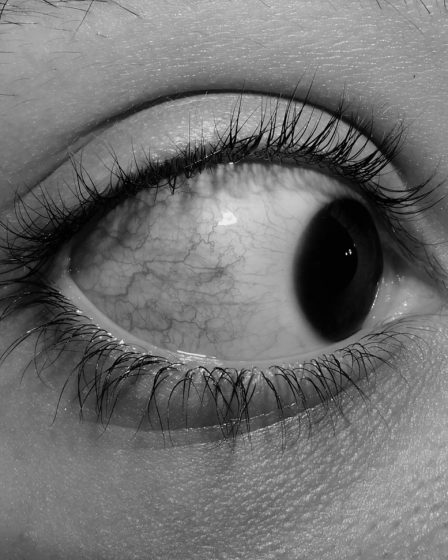
dry
How to Feel Better During Very Dry Weather
A spell of unusually dry weather can affect much more than the garden. Low humidity often makes everyday life less comfortable, especially when warm temperatures, dust and long hours in air-conditioned rooms are added to the picture. Skin may feel tighter, eyes can become irritated, and exercise outdoors may feel harder than expected. Dry conditions can also make a home feel stuffy even when the temperature is reasonable. The useful response is rarely to overhaul your routine. A handful of small adjustments to hydration, indoor air, exercise and personal care can make dry periods noticeably easier to live through. The aim is not to chase a perfect humidity number or worry about every physical sensation. It is to notice what the environment is asking of you and reduce unnecessary strain while conditions remain dry.