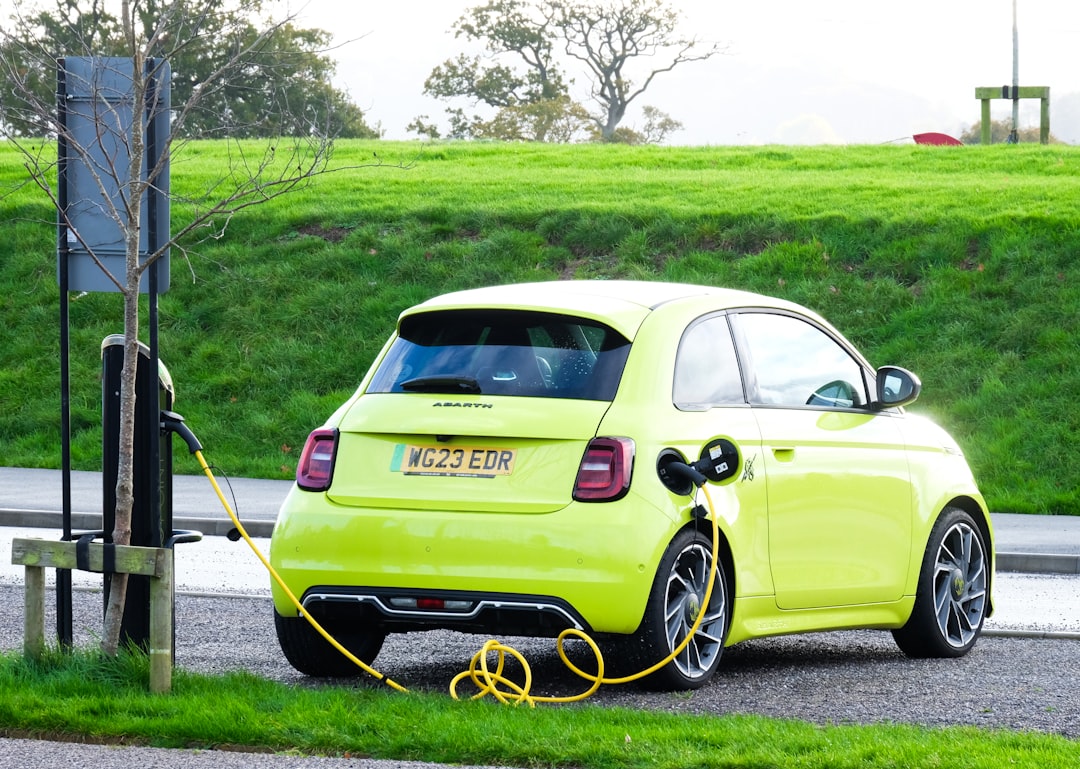
Cover photo by Nik
Interest in electric vehicles often focuses on range, charging speed and price. Those questions matter, but a car also shapes ordinary experience: the noise of the commute, the planning required for a trip, household costs and the environmental impact of repeated journeys. An electric vehicle can make driving quieter and reduce tailpipe pollution, yet it is not automatically the best choice for every household. Manufacturing, electricity sources, access to charging and the size of the vehicle all influence the outcome. A balanced decision begins with your actual travel pattern rather than with enthusiasm or anxiety about a new technology.
Start with a week of real driving data
Before comparing models, record how far you drive each day, where the car is parked and how often you make unusually long trips. Many people overestimate the range needed for daily life because they plan around the longest journey of the year. Others underestimate needs because they ignore winter conditions, towing or rural travel. Note whether the car sits at home overnight, at work for several hours or mainly on the street. Charging access can matter more than maximum range. This simple travel diary turns a vague purchase into a practical matching exercise.
Understand the value of home charging
For drivers with a suitable parking space, home charging can change the experience of owning a car. Instead of making separate fuel stops, the vehicle can begin most mornings with enough energy for ordinary travel. Installation costs and electrical capacity must be assessed by qualified professionals, and renters may need permission from a landlord or housing association. Drivers without home charging should investigate public options at realistic times of day. Visit local chargers, check prices, read recent reliability reports and consider whether waiting would fit your routine. A map full of charging symbols does not guarantee convenient access.
Consider quietness and driving comfort
Electric motors usually produce less low-speed mechanical noise and deliver power smoothly. In traffic, that can make the cabin feel calmer, although tire and wind noise remain at higher speeds. Regenerative braking may reduce repeated pedal movement once the driver becomes familiar with it. These qualities are personal, so take a long test drive on roads you use regularly. Check seat comfort, visibility, control layout and how distracting the touchscreen feels. A technically efficient car can still be stressful if basic functions are difficult to reach or the driving position does not suit your body.
Look at total cost, not only purchase price
Compare financing, insurance, electricity, public charging, servicing, tires, taxes and expected resale value. Electricity prices vary by location and tariff, while fast public charging can cost substantially more than home charging. Electric vehicles often have fewer routine engine-related service items, but repairs, body parts and insurance may still be expensive. Battery warranties also differ. Use conservative assumptions rather than the most favorable online calculator. If keeping the current car for several more years is safe and affordable, replacing it immediately may not be the most economical or environmentally efficient choice.
Keep environmental claims in proportion
An electric vehicle has no tailpipe emissions, which can improve local air quality where traffic is dense. Its broader footprint includes battery materials, manufacturing and the electricity used for charging. Over its life, the balance often improves as the grid becomes cleaner and the vehicle is driven more, but results vary. Choosing a smaller, efficient model generally requires fewer resources than choosing a very large one. Driving less, combining trips, using public transport and walking remain powerful options. Electrification is one part of a lower-impact transport system, not permission to ignore the number and length of journeys.
Plan long trips with useful breaks
Road trips in an electric car benefit from modest preparation. Use more than one charging app, identify backup locations and check whether accommodation offers reliable overnight charging. Build stops around meals, walks and rest rather than treating charging as dead time. Weather, speed, elevation and luggage can affect consumption, so keep a reasonable buffer. A tightly optimized plan may save minutes but create unnecessary tension when a charger is occupied. The calmer approach accepts that travel conditions vary. Regular breaks also reduce fatigue, which matters regardless of the car’s power source.
Conclusion
An electric vehicle can offer quieter driving, convenient home charging and lower tailpipe pollution, but the benefits depend on how and where you drive. Record your real travel, investigate charging honestly, compare full costs and choose a vehicle no larger than necessary. The best transport decision may be an electric car, a smaller conventional car kept longer or a mix of driving with walking and public transport. A calm choice is one that fits daily life, finances and environmental priorities without relying on exaggerated promises.