Most people who go hiking do not expect to become lost. That is precisely why small preparation habits matter. A wrong junction, fading trail, unexpected fog or phone battery that disappears faster than expected can turn an ordinary outing into a confusing situation. Outdoor safety is sometimes presented through dramatic survival scenarios, but the more useful approach for everyday hikers is much simpler: know roughly where you are going, leave enough time, carry a few essentials and avoid making one uncertain decision after another once you are off route. These habits are useful whether you are walking in a national park, exploring unfamiliar countryside or taking a long trail near a city. They are not a substitute for local advice or specialised preparation in remote terrain. They are a way to reduce avoidable mistakes and give yourself better options if the day stops unfolding as planned.

stress
How to Plan a Mountain Day With Children Without Turning It Into an Expedition
A family hike can be one of the simplest ways to spend a day together: fresh air, movement, changing scenery and enough distance from ordinary routines to make conversation feel different. It can also become stressful surprisingly quickly when the route is too ambitious, the weather changes, someone is hungry or a child simply decides that another kilometre is not happening. The answer is not to carry specialist equipment for every possible emergency or to avoid mountains altogether. It is to plan around the abilities of the least experienced person in the group, leave generous margins and accept that a successful outing may be shorter than the route you originally imagined. With children especially, the quality of the day matters more than the distance covered. A walk that ends while everyone still has energy is far more likely to create enthusiasm for the next one than a heroic push to reach a summit at any cost.
Trend-Driven Shopping: How to Enjoy Fashion Without Constant Buying
Fashion trends can be genuinely fun. A particular haircut, shoe, colour or silhouette appears everywhere and suddenly makes familiar clothes look different. The difficulty is that online trend cycles move much faster than most wardrobes need to. What feels essential this month may be replaced by another aesthetic before the purchase has been worn five times. Avoiding that cycle does not require rejecting fashion or building a wardrobe entirely from timeless neutral basics. It requires separating enjoyment from automatic acquisition. You can follow style, experiment with appearance and occasionally buy something trend-driven while still maintaining a wardrobe that fits your budget, storage space and everyday life. The most useful question is not whether an item is trendy. It is whether the trend offers something you will actually enjoy wearing once the novelty has faded.
Food Recall Notices: How to Respond Calmly and Safely
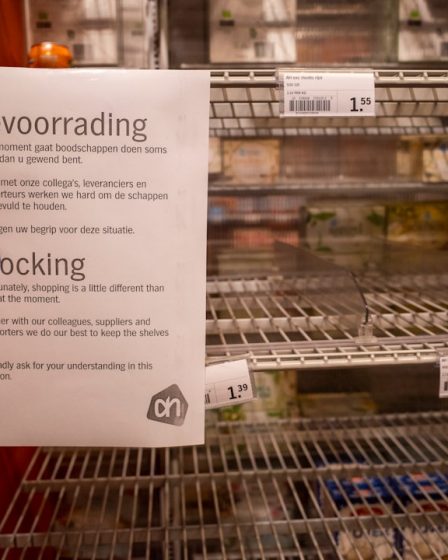
A food recall notice can sound alarming, particularly when the product is already sitting in your refrigerator or has been eaten by someone in the household. The first response is often to search widely online, where older recalls, rumours and unrelated cases can quickly make the situation seem more confusing. A calmer approach is also a safer one. Identify the exact product, check the official recall information and follow the instructions provided by the relevant food-safety authority or retailer. Recall notices may apply only to specific package sizes, production codes or dates rather than every product sold under a brand name. The goal is therefore not to panic about an entire category of food. It is to determine whether the item you actually have is affected and what action the official notice recommends.
Low-Cost Air Travel Without the Usual Stress Spiral
Low-cost airlines have made short international trips possible for many people who would otherwise travel less, but the cheap headline fare can come with a complicated set of decisions. Baggage dimensions, airport transfers, seat selection, check-in rules and optional extras can turn a simple booking into an exercise in avoiding mistakes. None of this means budget airlines are inherently stressful. They work well when you understand that the product is transportation with fewer inclusions, not a discounted version of every full-service experience. The calmest approach is to calculate the real trip cost, pack deliberately and remove unnecessary airport decisions before departure. A twenty-euro ticket is not a bargain if reaching the airport costs more than the flight or a baggage fee appears because you misunderstood the rules. Equally, paying for one useful extra can be better value than spending the entire journey protecting the cheapest possible fare.
GCSE Results and Exam Stress: How Parents Can Support Without Adding Pressure
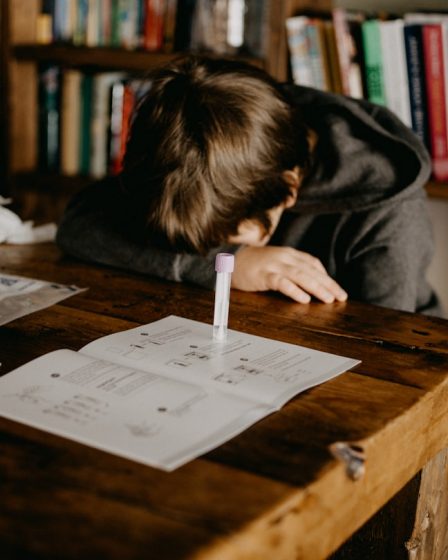
Exam results can feel enormous to a teenager because they seem to compress years of work, future plans and other people’s expectations into a page of grades. Parents can feel anxious too, especially when they know certain results affect entry requirements or next steps. The challenge is to support the young person without making your own anxiety another problem they have to manage. NHS guidance on exam stress advises parents to listen, avoid adding pressure, support sleep and routine, and keep results in perspective. That remains useful after the exams themselves are finished. Results matter, but they rarely represent the only route toward a satisfying education or career. The most constructive parental role is often to help the teenager move from an emotional reaction to a practical understanding of what options remain.
The Case for Slow Looking: How an Art Exhibition Can Become a Real Break
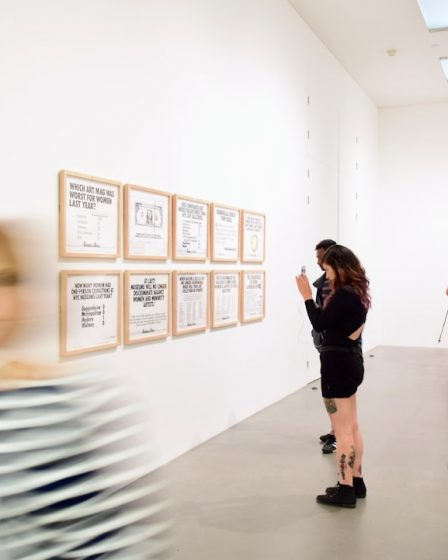
Popular exhibitions can turn art into another form of speed. Visitors move from famous painting to famous painting, photograph the label, check the time and leave with the strange feeling that they have completed something rather than experienced it. Slow looking offers a different approach. Instead of trying to see everything, you deliberately spend longer with fewer works. The practice requires no art-history expertise and no special ability to interpret symbolism. It simply asks you to give visual attention enough time to develop. A painting that seems straightforward in the first ten seconds may reveal unusual light, awkward proportions, tiny gestures or changes in mood after several minutes. This can make a museum visit more absorbing and less tiring. When exhibitions around artists such as Vermeer draw renewed attention to museum-going, the useful lesson is not that everyone must appreciate a particular painter. It is that looking carefully can itself be a satisfying form of leisure.
Preparing for Typhoons and Heavy Rain Without Living in Alarm Mode
Heavy rain and typhoon warnings can produce an uncomfortable mixture of practical risk and psychological overload. Weather maps update repeatedly, phones deliver alerts and social media fills with dramatic footage from different locations. Some attention is necessary, particularly in places where flooding, landslides or high winds can develop quickly. Constant attention is not. The more useful goal is to prepare enough that you do not need to improvise when conditions deteriorate. Japan’s government guidance on heavy rain and typhoons emphasises acting before rain and wind become severe and using official warning levels to guide evacuation decisions. The same principle applies in many countries: know your local risks, know which official channels provide instructions and complete ordinary preparations early. Once those steps are done, repeatedly refreshing the forecast rarely makes you safer.
Making Routine Vaccination and Preventive Care Easier to Keep Up With
Preventive healthcare often loses out to problems that feel more urgent. A vaccination reminder arrives while work is busy, a dental check-up is postponed until next month, or an annual health appointment remains on a mental list without ever reaching the calendar. None of this necessarily reflects a lack of concern. Preventive care is simply easy to delay because the benefit is usually less visible than the inconvenience of arranging it. A more reliable approach is to treat routine health administration as part of ordinary life rather than something to remember through willpower. Vaccination recommendations vary by country, age, occupation, travel plans and individual health circumstances, so personal decisions should follow local healthcare guidance. The World Health Organization maintains recommendations covering immunisation across different stages of life, including adults as well as children.
Interest Rate Uncertainty Without Household Panic
Interest rate news can influence attention, mood, household planning and the way people speak to one another. The challenge is to respond thoughtfully without turning uncertainty into panic or a temporary interest into another demanding self-improvement project. A practical approach asks what matters now, what can wait and which source of guidance is appropriate. It also leaves room for differences in age, health, income, culture and personal experience.
Debt Stress and a Workable First Plan
This topic reflects a practical question – how should an ordinary person respond without overreacting? Debt stress can influence attention, mood, household planning and the way people speak to one another. The challenge is to respond thoughtfully without turning uncertainty into panic or a temporary interest into another demanding self-improvement project. A practical approach asks what matters now, what can wait and which source of guidance is appropriate. It also leaves room for differences in age, health, income, culture and personal experience.
The 72-Hour Reset After an Overwhelming Week
A three-day personal reset can influence attention, mood, household planning and the way people speak to one another. The challenge is to respond thoughtfully without turning uncertainty into panic or a temporary interest into another demanding self-improvement project. A practical approach asks what matters now, what can wait and which source of guidance is appropriate. It also leaves room for differences in age, health, income, culture and personal experience.
Reality Television Without the Emotional Hangover
How should an ordinary person respond without overreacting? Reality television can influence attention, mood, household planning and the way people speak to one another. The challenge is to respond thoughtfully without turning uncertainty into panic or a temporary interest into another demanding self-improvement project. A practical approach asks what matters now, what can wait and which source of guidance is appropriate. It also leaves room for differences in age, health, income, culture and personal experience.
GLP-1 Conversations Without Judgment
A trend can attract attention for a few hours, but the underlying issue often belongs to ordinary daily life. Glp-1 weight management medicines can influence attention, mood, household planning and the way people speak to one another. The challenge is to respond thoughtfully without turning uncertainty into panic or a temporary interest into another demanding self-improvement project. A practical approach asks what matters now, what can wait and which source of guidance is appropriate. It also leaves room for differences in age, health, income, culture and personal experience.
Birdsong as a Daily Reset
Birdsong and everyday nature can influence attention, mood, household planning and the way people speak to one another. The challenge is to respond thoughtfully without turning uncertainty into panic or a temporary interest into another demanding self-improvement project. A practical approach asks what matters now, what can wait and which source of guidance is appropriate. It also leaves room for differences in age, health, income, culture and personal experience.