A stretch of unusually hot weather can affect far more than physical comfort. Sleep becomes lighter, concentration slips, tempers shorten and ordinary errands begin to feel more demanding. People often respond by trying to maintain their usual pace while simply adding more cold drinks or air conditioning. A better approach is to treat persistent heat as a temporary change in operating conditions. That means adjusting expectations, protecting the coolest parts of the day and paying attention to early signs that the body needs rest. Heat affects people differently, and age, medication, housing quality, work conditions and existing health problems all matter. The goal is not to create a perfect summer routine. It is to reduce unnecessary strain while preserving enough structure, movement and social contact to feel like yourself.

Environment
Eco-mindfulness, mindful travel, minimalist living, sustainability, environmentalism
What Space Launches Can Teach Us About Sustainable Ambition
A rocket launch compresses years of work into a few highly visible minutes. The countdown, ignition and ascent make achievement look sudden, even though the real story includes design reviews, repeated tests, delayed schedules, failed components and long stretches of work that attract little public attention. This contrast makes space launches a useful lens for personal ambition. Many people want to complete a degree, build a business, change careers, improve their health or create something meaningful, but they compare their daily progress with someone else’s launch moment. That comparison can make steady effort feel insignificant. Sustainable ambition treats a large goal as a system rather than a dramatic act of willpower. It combines direction with patience, measurement with recovery and confidence with a willingness to revise the plan. The result is not smaller aspiration. It is a better chance of staying engaged long enough to reach something difficult.
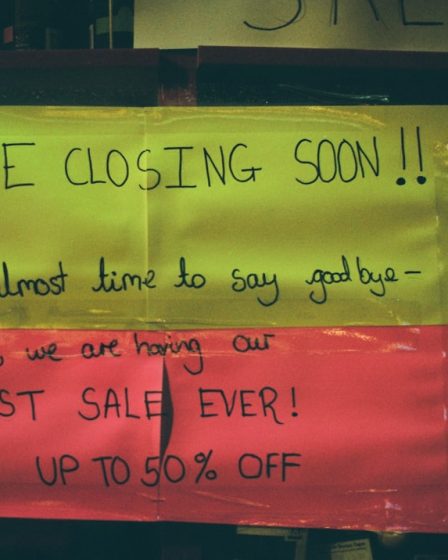
When a Familiar Store Closes: Coping With Small Changes That Disrupt Daily Life
The closure of a discount chain, supermarket, café or neighborhood shop may seem minor compared with larger life events. Yet familiar places often hold practical and emotional roles. They provide affordable essentials, a predictable route, casual contact with staff and a sense that the neighborhood is stable. When they disappear, inconvenience can combine with nostalgia, financial concern and uncertainty about what will replace them. It is reasonable to feel unsettled. A constructive response acknowledges the loss while building new routines that fit current needs, especially when time, mobility or household budgets are already tight.
A Calm Hurricane Preparation Plan for People Who Tend to Worry
Hurricane forecasts can create two problems at once. There is the storm itself, and there is the stream of maps, alerts, dramatic videos and changing predictions that arrives before it. Preparation is essential when a tropical system may affect your area, but constant monitoring does not make a household safer. A good plan turns uncertainty into a sequence of manageable tasks. It also distinguishes between actions that protect life and property and habits that only increase anxiety. Local emergency guidance should always lead, because risk varies by location, building type, flood zone and the strength and path of the storm.
What to Do When a Snake, Raccoon or Other Wild Animal Appears Near Home
An unexpected wild animal near a doorway, garden, street or pet area can trigger immediate fear and curiosity. People may crowd around, reach for a camera, attempt a rescue or try to chase the animal away. Those reactions can increase risk for both humans and wildlife. Most encounters are resolved more safely by creating distance, controlling pets and giving the animal a clear route to leave. The correct response depends on species, location and whether the animal is injured, trapped or behaving unusually. Local wildlife authorities remain the best source for specific guidance, especially where venomous animals or rabies are possible.
A Practical Monsoon Routine for Health, Energy and a More Comfortable Home
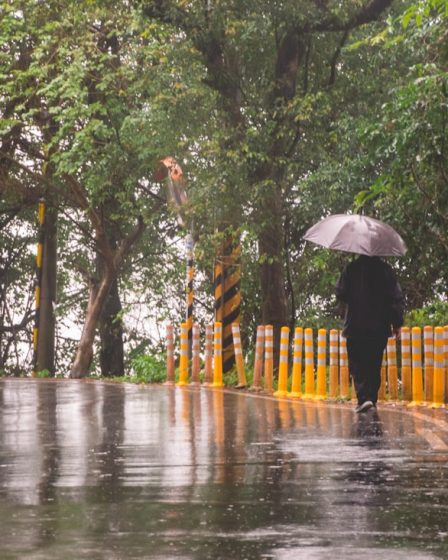
Monsoon rain can bring relief from heat, replenish water and change the rhythm of a city or village almost overnight. It can also create damp rooms, difficult commutes, muddy shoes, insects and long stretches indoors. The season feels easier when daily routines are adjusted instead of maintained as though the weather has not changed. A useful monsoon plan does not require expensive products or rigid rules. It focuses on dry clothing, safe food and water, comfortable movement, sensible travel choices and a home that can recover between showers. These small systems reduce irritation and leave more energy for work, family and rest.
What a Social Media Outage Can Teach You About Digital Balance
When a major social platform stops working, the first few minutes can feel surprisingly disorienting. People reopen the same app, restart their phones, check another network and wonder whether the problem is personal. The interruption reveals how many small parts of daily life have been handed to a few online services: conversations, event details, business contacts, photographs, community updates and moments of boredom. An outage is inconvenient, but it can also serve as a useful stress test. It shows which digital habits are chosen and which have become automatic, while offering a chance to build a more resilient and less distracting way of staying connected.
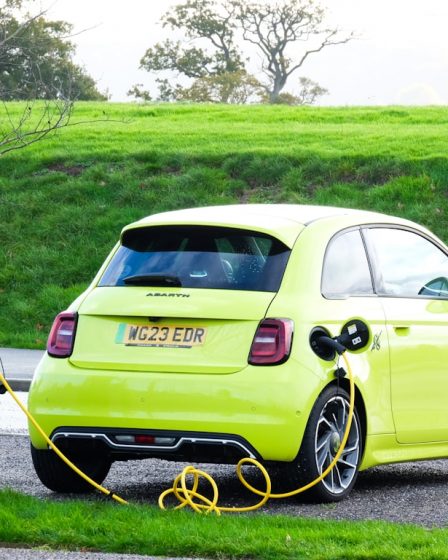
Can an Electric Car Make Everyday Driving Calmer and Greener?
Interest in electric vehicles often focuses on range, charging speed and price. Those questions matter, but a car also shapes ordinary experience: the noise of the commute, the planning required for a trip, household costs and the environmental impact of repeated journeys. An electric vehicle can make driving quieter and reduce tailpipe pollution, yet it is not automatically the best choice for every household. Manufacturing, electricity sources, access to charging and the size of the vehicle all influence the outcome. A balanced decision begins with your actual travel pattern rather than with enthusiasm or anxiety about a new technology.
Stargazing as a Simple Way to Slow Down and Reconnect With Nature
A meteor shower or unusual object in the night sky can suddenly remind thousands of people to look up. Stargazing is accessible because it requires little equipment, yet it offers something increasingly rare: an activity that rewards patience rather than speed. You may wait twenty minutes and see nothing dramatic, then notice a satellite, a bright planet or the gradual appearance of more stars as your eyes adjust. The point is not to become an expert astronomer. It is to spend time outdoors with attention directed beyond immediate tasks and screens. With a little preparation, the experience can be comfortable, safe and genuinely restorative.
How to Make Self-Checkout Less Stressful for Shoppers and Staff
Self-checkout has become a routine part of grocery and retail shopping, yet it can still create an oddly intense few minutes. A machine rejects an item, a queue forms behind you and an employee is responsible for several flashing stations at once. For some shoppers the system is fast and private. For others, including people with disabilities, limited technical confidence or a large trolley, it adds effort to a task that was already tiring. A calmer approach begins by recognizing that the technology is not a test of competence. It is one checkout option, and using a staffed lane when available is a reasonable choice rather than a failure to adapt.
How to Protect Your Well-Being During Wildfire Smoke and Poor Air Quality
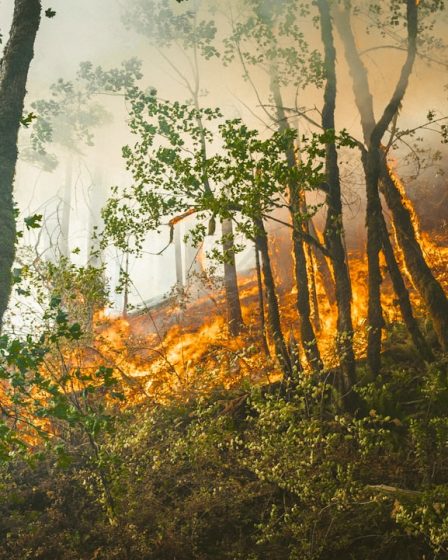
Wildfire smoke can travel far beyond the flames that produced it, turning an ordinary summer day into a period of hazy skies, closed windows and disrupted routines. Even people who are not close to a fire may find that outdoor exercise feels uncomfortable or that the air inside their home seems stale. The most useful response is neither panic nor indifference. It is a practical plan that reduces exposure, keeps the household comfortable and makes room for normal life. Air quality alerts are temporary, but the habits used during them can also improve how prepared you feel for future heat, storms and other environmental disruptions.
Tiny Living, Big Adventures: Exploring Small-Scale Wilderness Cabins
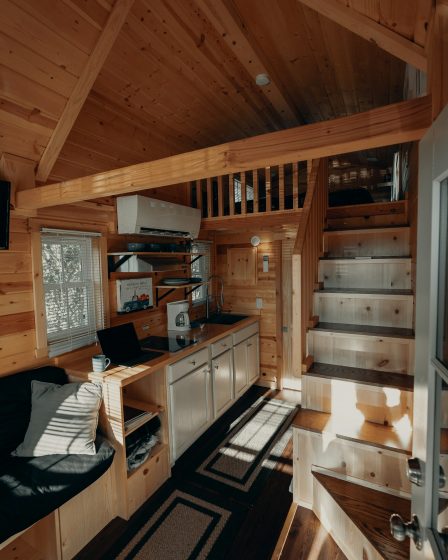
In an age where the average home size continues to grow, a countermovement has taken root, championing the joys and benefits of tiny living. This movement isn’t just about downsizing; it’s about embracing a lifestyle that prioritizes simplicity, sustainability, and connection with nature. One of the most alluring manifestations of this ethos is the small-scale wilderness cabin. These compact dwellings offer their inhabitants a unique blend of adventure, solitude, and comfort, allowing for immersive experiences in some of the world’s most breathtaking landscapes. This article delves into the appeal of tiny living in the wilderness, exploring how these cabins can transform our relationship with nature and lead to big adventures.
Off-Grid Cooking: Creative Solutions in Remote Settings
Living off-grid, especially in remote settings, presents unique challenges, one of which is meal preparation. Without access to conventional utilities like electricity and running water, off-grid enthusiasts must rely on alternative energy sources and innovative solutions to cook their meals. This article delves into the intricacies of off-grid cooking, exploring various creative methods, essential tools, and strategies that enable individuals and families to enjoy nutritious and delicious food in remote locations.
Creating a Pollinator Paradise: Bees, Butterflies, and Hummingbirds
Pollinators play a critical role in our ecosystem. They are essential for the reproduction of many plants, including those we rely on for food. Unfortunately, pollinator populations, particularly bees and butterflies, have been declining due to habitat loss, climate change, and the use of harmful pesticides. However, gardeners and landowners can create a haven for these vital creatures by designing gardens that are rich in diversity and resources. This article explores how to cultivate a Pollinator Paradise by planting flowers that attract bees, butterflies, and hummingbirds, providing a sustainable and beautiful environment for pollinators and a delightful experience for observers.
Tropical Paradise: Designing Landscapes Inspired by Exotic Locations
The allure of tropical landscapes has captivated human imagination for centuries. From the dense rainforests of the Amazon to the sun-kissed beaches of the Seychelles, these exotic locations are not just destinations but ecosystems teeming with biodiversity and natural beauty. The design of lush tropical landscapes in our own backyards and public spaces often draws inspiration from these far-off places, aiming to replicate their beauty, tranquility, and the sense of being enveloped in nature’s embrace. This article explores the principles, plants, and practices involved in creating such paradises, offering a window into the world of tropical landscape design