






Sales create a strange form of urgency. A product that seemed unnecessary yesterday can suddenly feel financially responsible because the price has been reduced. Limited-time banners, countdown clocks and low-stock messages add pressure, even when the purchase itself is entirely optional. Discounts can genuinely save money when they apply to something you already intended to buy. They become less useful when the sale changes the shopping list rather than the price. The goal is not to avoid every promotion or insist on paying full price. It is to keep the original purpose of the purchase visible while marketing is trying to replace it with the excitement of getting a deal.
Second-Hand Style: How to Shop Charity Stores Without Buying More Clutter
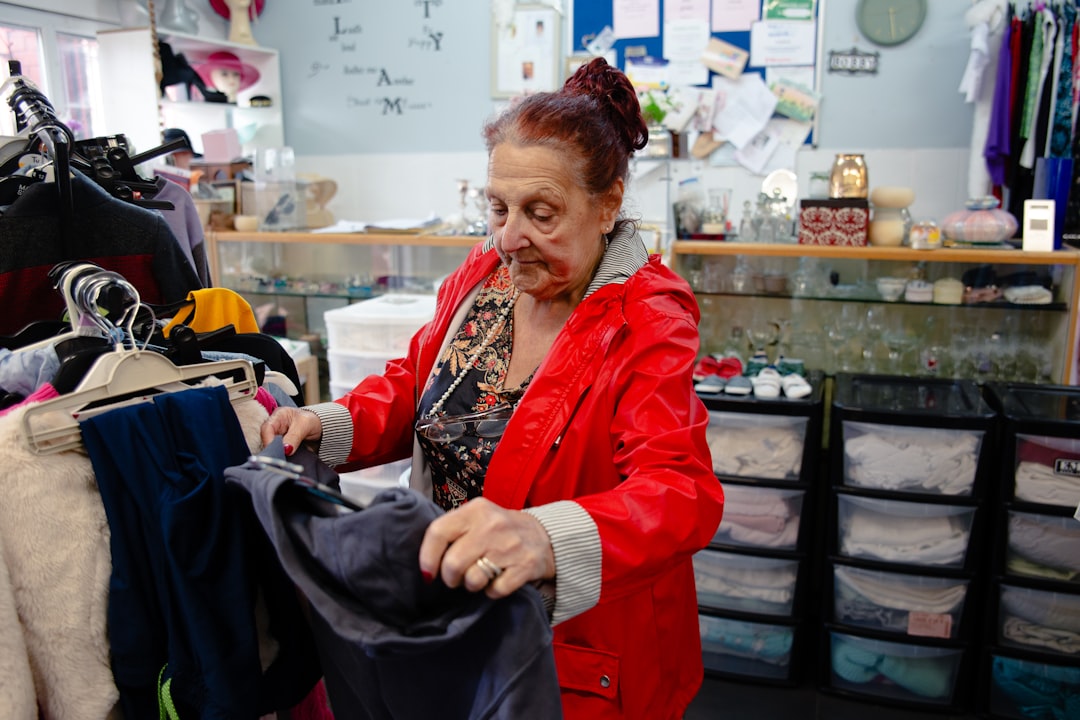
Second-hand shopping can be inexpensive, creative and environmentally appealing, but it has its own version of impulse buying. A low price can make an item feel automatically sensible, especially when it is unique and may not be there tomorrow. The result can be a wardrobe full of bargains that rarely get worn. Charity shops, thrift stores and resale platforms work best when the hunt remains part of the pleasure without replacing ordinary judgement. You can experiment with colours, formalwear, vintage pieces and unfamiliar brands at lower cost than buying new, while also extending the useful life of clothing. The key is to remember that a five-euro garment still needs space, care and a role in your life. Cheap is not the same as useful.

Fast Food Without the All-or-Nothing Thinking
Fast food is easy to turn into a moral category. One meal becomes evidence that you are eating badly, while a salad becomes proof that you are back on track. That kind of thinking makes ordinary nutrition more complicated than it needs to be. Convenience food exists because people are busy, travelling, tired, socialising or simply enjoy it. The useful question is not whether you should never eat fast food. It is how these meals fit into the wider pattern of what you eat, how often they occur and how they leave you feeling. People with specific medical or nutritional needs may require personalised advice, but most adults can benefit from a more practical approach: choose what you actually enjoy, add balance where convenient and avoid turning one lunch into a referendum on your entire diet.

Everyday Food Safety: Simple Habits for Eggs, Sprouts and Other Higher-Risk Foods
Food-safety headlines often focus on a particular outbreak, but the useful lesson for everyday cooking is broader. Certain foods need more careful handling because bacteria can be present before anything looks or smells wrong. Eggs, raw sprouts, poultry, unpasteurised products and ready-to-eat foods can carry different risks depending on how they are produced and prepared. National recommendations vary, and people who are pregnant, older, very young or immunocompromised may receive stricter guidance. The aim is not to make every meal feel hazardous. A few consistent habits around storage, handwashing, separation and cooking reduce risk without turning the kitchen into a laboratory. When a specific outbreak or recall is active, follow the advice of your local food-safety authority because the affected products and recommended actions can differ by country.

Pet Food Recalls: What to Check Before Throwing Everything Away
A pet food recall can provoke immediate worry because animals cannot explain how they feel and many owners feed the same product every day. The first impulse may be to throw away every bag, tin or treat from the brand, but recalls are usually more specific than the headline. They can apply to particular products, batch codes, package sizes or production dates. A calm response starts with matching the item in your home to the official recall notice and following the instructions provided by the manufacturer, retailer or relevant food-safety authority. If your pet has eaten the product and seems unwell, contact a veterinarian for advice rather than trying to interpret symptoms from social media. General information is useful for organising the response, but the exact recall notice and veterinary guidance should lead the decision.

Dry Eyes and Screen Time: Small Comfort Changes That Can Help
Long hours on laptops and phones can leave the eyes feeling tired, gritty or dry, especially in air-conditioned offices, heated rooms or periods of low humidity. These sensations are common, but they can have many causes, including contact lenses, environment, medication and underlying eye conditions. General comfort measures can be useful for mild, occasional irritation, but persistent pain, significant redness, vision changes or worsening symptoms need professional assessment rather than repeated self-treatment. The practical goal for an ordinary screen-heavy day is not to eliminate every sensation or buy a drawer full of eye products. It is to reduce avoidable strain by changing how you use screens, how air moves around your workspace and when you give your eyes a break.

Returning to Exercise After a Long Break Without Going Too Hard
Restarting exercise can feel deceptively easy during the first motivated week. You remember what you used to be able to do, your mind is ready to return and a new plan promises quick momentum. The body, however, responds to what it has been doing recently rather than what it managed several years ago. That gap is where many uncomfortable restarts happen. Excessive soreness, fatigue or small injuries can turn an enthusiastic comeback into another long break. A gentler return is not wasted time. It gives joints, muscles, tendons and routines a chance to adapt while you rebuild confidence. People with medical conditions, recent injuries or significant concerns about exercise should seek appropriate professional guidance. For otherwise healthy adults returning after inactivity, the most useful principle is simple: start below your perceived capacity and make consistency the first target.

Watching Your Child Play Sport Without Becoming Their Second Coach
Watching a child compete can produce more emotion than many parents expect. You want them to do well, you notice mistakes, you see opportunities and you may know enough about the sport to have strong opinions about what should happen next. The difficulty is that a child already has a coach, teammates and their own internal reaction to the game. When the journey home becomes another coaching session, sport can begin to feel like a continuous evaluation rather than something they are allowed to enjoy. Parents still have an important role. They handle transport, fees, encouragement, recovery and the wider perspective that a young athlete may not yet have. That role is most helpful when it supports participation without making performance the centre of the parent-child relationship.

Why Local Sport Can Be Better for Your Weekend Than Another Big Match on TV
Major leagues dominate sports coverage, but some of the most enjoyable sporting experiences happen much closer to home. A local football match, amateur baseball game, community rugby fixture or school tournament may not offer famous players or polished production, yet it can provide something television cannot: a reason to leave the house, meet people, spend time outdoors and feel connected to a place. Local sport is also often cheaper and less demanding than a trip to a major stadium. You do not need to become a devoted supporter or understand every tactical detail. Attending occasionally can simply be a form of community leisure. For families, it can show children that sport exists beyond elite performance. For adults, it can provide a social ritual that does not require a restaurant reservation or an entire day of planning.

El Niño Without the Alarmism: How to Use Seasonal Forecasts in Everyday Life
Terms such as El Niño often move from weather reports into everyday conversation long before most people are clear about what they mean for their own town. A seasonal climate pattern can influence the likelihood of particular weather conditions across large regions, but it does not provide a precise script for every week ahead. That distinction matters. Seasonal forecasts can be useful for farmers, emergency planners, energy systems and households, yet they can also encourage exaggerated expectations when every hot day, storm or dry week is attributed to one global pattern. For ordinary life, the best use of a seasonal outlook is modest: understand the broad tendency for your region, prepare for plausible conditions and continue checking shorter-range forecasts for actual plans. Climate agencies and local weather services should remain the source of current information because impacts vary by location and season.
How to Keep Your Home Cooler During a Heatwave Without Overcomplicating It
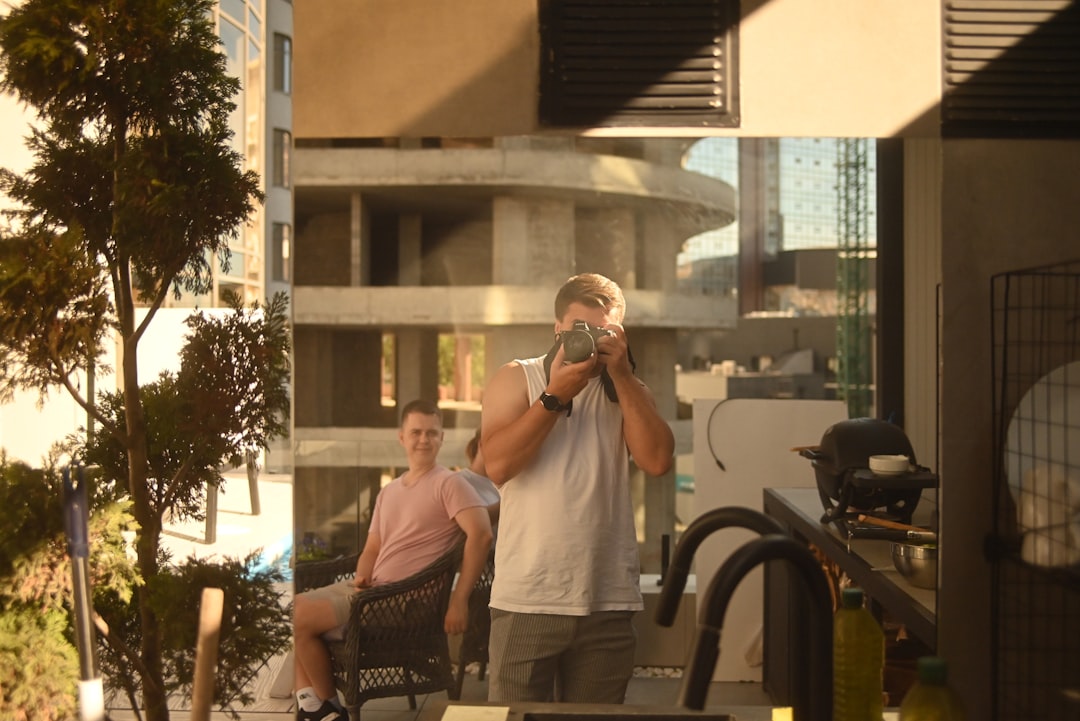
When several hot days arrive in a row, the home can gradually store heat until evenings stop bringing much relief. The instinctive response is often to open every window, run every fan and search for increasingly elaborate cooling tricks. A simpler approach usually works better: reduce the amount of heat entering the home during the hottest hours, ventilate when outdoor air is cooler, use air movement sensibly and concentrate comfort where people actually spend time. Homes differ greatly in insulation, orientation, ventilation and access to air conditioning, so no single technique works everywhere. People who are older, very young or affected by medical conditions may also need specific heat-health advice. For an ordinary household, however, a few practical changes can make hot weather more manageable without turning the day into a battle against the thermometer.
Flash-Flood Warnings: A Calm Plan for Sudden Heavy Rain
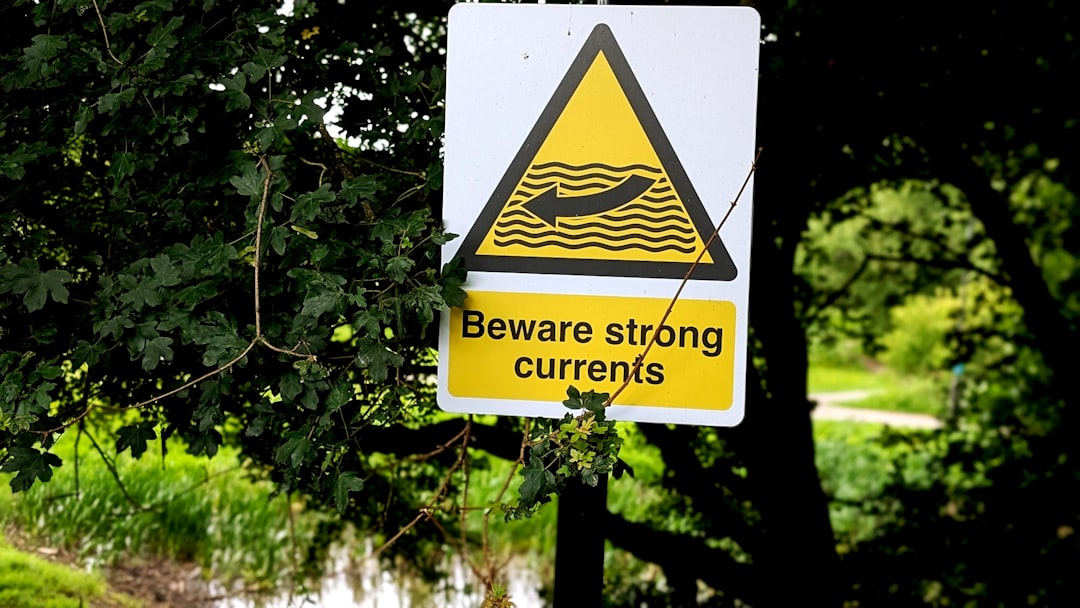
Flash-flood warnings are unsettling because they describe a hazard that can develop quickly. A road that was passable earlier may become unsafe, a normally small stream can rise rapidly and familiar low-lying areas may collect water faster than expected. The right response is neither to ignore every warning because past storms caused little trouble nor to spend hours watching dramatic videos from other places. What matters is understanding the risk around your own location and acting on official local instructions. Flood behaviour varies greatly by terrain, drainage and rainfall, so general information cannot replace emergency guidance for your area. Still, a simple household plan can reduce last-minute decisions. Know the places you should avoid, keep essential information accessible, and make transport choices conservatively when water starts appearing where it should not be.

Getting Lost Outdoors: Simple Habits That Make Hiking Safer
Most people who go hiking do not expect to become lost. That is precisely why small preparation habits matter. A wrong junction, fading trail, unexpected fog or phone battery that disappears faster than expected can turn an ordinary outing into a confusing situation. Outdoor safety is sometimes presented through dramatic survival scenarios, but the more useful approach for everyday hikers is much simpler: know roughly where you are going, leave enough time, carry a few essentials and avoid making one uncertain decision after another once you are off route. These habits are useful whether you are walking in a national park, exploring unfamiliar countryside or taking a long trail near a city. They are not a substitute for local advice or specialised preparation in remote terrain. They are a way to reduce avoidable mistakes and give yourself better options if the day stops unfolding as planned.

How to Plan a Mountain Day With Children Without Turning It Into an Expedition
A family hike can be one of the simplest ways to spend a day together: fresh air, movement, changing scenery and enough distance from ordinary routines to make conversation feel different. It can also become stressful surprisingly quickly when the route is too ambitious, the weather changes, someone is hungry or a child simply decides that another kilometre is not happening. The answer is not to carry specialist equipment for every possible emergency or to avoid mountains altogether. It is to plan around the abilities of the least experienced person in the group, leave generous margins and accept that a successful outing may be shorter than the route you originally imagined. With children especially, the quality of the day matters more than the distance covered. A walk that ends while everyone still has energy is far more likely to create enthusiasm for the next one than a heroic push to reach a summit at any cost.

Trend-Driven Shopping: How to Enjoy Fashion Without Constant Buying
Fashion trends can be genuinely fun. A particular haircut, shoe, colour or silhouette appears everywhere and suddenly makes familiar clothes look different. The difficulty is that online trend cycles move much faster than most wardrobes need to. What feels essential this month may be replaced by another aesthetic before the purchase has been worn five times. Avoiding that cycle does not require rejecting fashion or building a wardrobe entirely from timeless neutral basics. It requires separating enjoyment from automatic acquisition. You can follow style, experiment with appearance and occasionally buy something trend-driven while still maintaining a wardrobe that fits your budget, storage space and everyday life. The most useful question is not whether an item is trendy. It is whether the trend offers something you will actually enjoy wearing once the novelty has faded.