Watching a film at home is convenient, but it often competes with messages, chores, snacks, work tabs and the temptation to pause. A cinema creates a different kind of attention. For a set period, the room darkens, the phone becomes less useful and one story receives the whole screen. This does not make cinema automatically mindful or superior to home entertainment. Tickets can be expensive, sound levels may be uncomfortable and not every film deserves several uninterrupted hours. Yet an occasional cinema visit can offer a valuable boundary between ordinary responsibilities and leisure. With a little planning, it can become a restorative outing rather than another rushed consumer activity.

Body
Yoga, exercise, mindful movement, mindful walking, martial arts, outdoor activities, mindful breathing exercises
When Memory Changes in an Older Relative: A Calm First Response
Forgetting a name, repeating a story or misplacing an object can be unsettling, especially when it happens to an older parent or partner. It is easy to jump from one incident to the worst possible conclusion. Memory changes have many possible causes, including stress, poor sleep, medication effects, depression, hearing problems, infections and neurological conditions. General information cannot determine what is happening for a particular person. What families can do is observe carefully, avoid humiliating the person and seek appropriate medical assessment when changes are persistent, worsening or affecting safety. A calm first response protects dignity and makes it easier to gather useful information.
A Practical Safety Plan for Solo Walks and Hikes
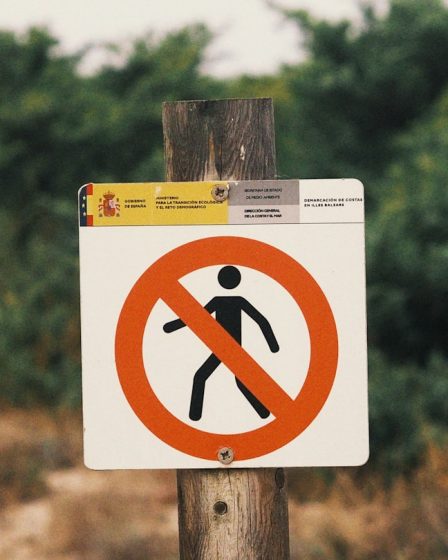
Walking alone can provide quiet, independence and a strong connection with the landscape. It also means that small problems, such as a wrong turn, twisted ankle or dead phone, require more self-reliance. Search and rescue stories sometimes lead people either to avoid nature entirely or to assume that emergencies happen only to reckless adventurers. Most outdoor safety comes from ordinary preparation rather than specialist equipment. The right plan depends on terrain, weather, experience and remoteness, but several habits are useful almost everywhere. The purpose is not to remove uncertainty. It is to make a manageable outing less likely to become a serious incident.
How to Stay Steady During a Long Summer Heatwave
A stretch of unusually hot weather can affect far more than physical comfort. Sleep becomes lighter, concentration slips, tempers shorten and ordinary errands begin to feel more demanding. People often respond by trying to maintain their usual pace while simply adding more cold drinks or air conditioning. A better approach is to treat persistent heat as a temporary change in operating conditions. That means adjusting expectations, protecting the coolest parts of the day and paying attention to early signs that the body needs rest. Heat affects people differently, and age, medication, housing quality, work conditions and existing health problems all matter. The goal is not to create a perfect summer routine. It is to reduce unnecessary strain while preserving enough structure, movement and social contact to feel like yourself.
How to Enjoy Cooking Shows Without Turning Food Into a Competition
Cooking competitions can be absorbing television. They combine creativity, time pressure, appealing food and the suspense of judging. They can also subtly change how viewers think about ordinary meals. A weekday dinner may begin to look inadequate beside a carefully plated dish created with specialist equipment and edited into a dramatic hour. Some viewers feel inspired to cook, while others become intimidated, dissatisfied with their skills or preoccupied with whether food is impressive enough. A balanced approach keeps the entertainment and useful ideas while remembering that home cooking serves a different purpose. Most meals do not need to surprise judges. They need to nourish people, fit the budget, use the time available and create a reasonably pleasant part of the day.
What Space Launches Can Teach Us About Sustainable Ambition
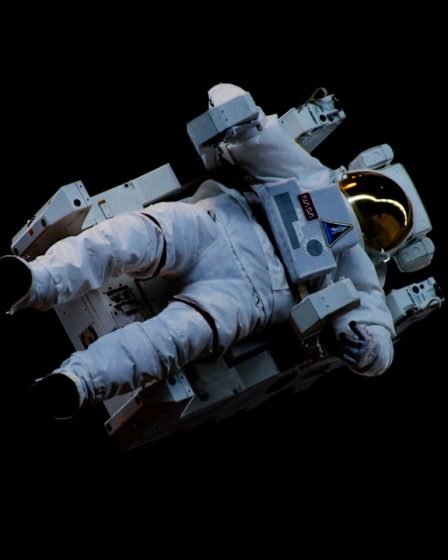
A rocket launch compresses years of work into a few highly visible minutes. The countdown, ignition and ascent make achievement look sudden, even though the real story includes design reviews, repeated tests, delayed schedules, failed components and long stretches of work that attract little public attention. This contrast makes space launches a useful lens for personal ambition. Many people want to complete a degree, build a business, change careers, improve their health or create something meaningful, but they compare their daily progress with someone else’s launch moment. That comparison can make steady effort feel insignificant. Sustainable ambition treats a large goal as a system rather than a dramatic act of willpower. It combines direction with patience, measurement with recovery and confidence with a willingness to revise the plan. The result is not smaller aspiration. It is a better chance of staying engaged long enough to reach something difficult.
How to Choose What to Watch When Streaming Options Feel Endless
A new week of streaming releases can create an odd form of fatigue. You open several services, scroll past hundreds of titles, watch trailers, check ratings and eventually return to something familiar or give up. Entertainment is supposed to help us rest, yet unlimited choice can turn an evening into another decision-making task. The answer is not to optimize every minute of leisure. It is to create enough structure that watching becomes enjoyable again. A few simple limits can reduce subscription costs, protect sleep and make room for films and series that genuinely suit your mood and attention.
Do You Really Need a New Phone? A Balanced Guide to Upgrade Pressure
A major phone launch can make a perfectly functional device feel old within a few hours. New cameras, artificial-intelligence features, brighter screens and trade-in offers are presented as practical improvements, but the desire to upgrade is often a mixture of real need, curiosity and social pressure. There is nothing inherently wrong with enjoying technology or buying a device that improves daily life. The problem begins when marketing urgency replaces a clear decision. A short evaluation of performance, cost, repairability and actual use can protect both household finances and the environment without turning every purchase into a moral test.
How to Make Flying Less Stressful When Aviation News Feels Alarming
Aviation incidents receive intense attention because they are dramatic, unusual and easy to imagine. After reading about an emergency landing, mechanical problem or disrupted flight, even a routine trip can feel less secure. Reassurance alone is not always helpful, especially when the body is already reacting to every sound and movement. A more practical approach combines reliable information, sensible travel preparation and tools for tolerating uncertainty. The aim is not to convince yourself that nothing can ever go wrong. It is to keep a low-probability fear from consuming the whole journey or preventing travel that matters to you.
A Calm Hurricane Preparation Plan for People Who Tend to Worry
Hurricane forecasts can create two problems at once. There is the storm itself, and there is the stream of maps, alerts, dramatic videos and changing predictions that arrives before it. Preparation is essential when a tropical system may affect your area, but constant monitoring does not make a household safer. A good plan turns uncertainty into a sequence of manageable tasks. It also distinguishes between actions that protect life and property and habits that only increase anxiety. Local emergency guidance should always lead, because risk varies by location, building type, flood zone and the strength and path of the storm.
What to Do When a Snake, Raccoon or Other Wild Animal Appears Near Home
An unexpected wild animal near a doorway, garden, street or pet area can trigger immediate fear and curiosity. People may crowd around, reach for a camera, attempt a rescue or try to chase the animal away. Those reactions can increase risk for both humans and wildlife. Most encounters are resolved more safely by creating distance, controlling pets and giving the animal a clear route to leave. The correct response depends on species, location and whether the animal is injured, trapped or behaving unusually. Local wildlife authorities remain the best source for specific guidance, especially where venomous animals or rabies are possible.
How to Enjoy a Major Sports Final Without Losing Sleep, Money or Perspective
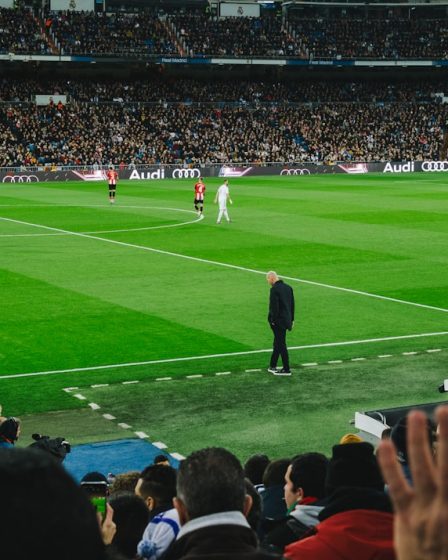
A major final can turn an ordinary week into a shared emotional event. Friends arrange watch parties, workplaces debate predictions and people who rarely follow the sport become invested in the result. That collective energy is part of the appeal. Problems arise when excitement pushes aside sleep, spending limits, respectful behavior or the ability to accept disappointment. Enjoying a match fully does not require pretending it is unimportant. It requires creating enough structure that the event adds to life rather than disrupting the days around it. A few decisions made before kickoff can protect both the fun and your well-being.
A Practical Monsoon Routine for Health, Energy and a More Comfortable Home
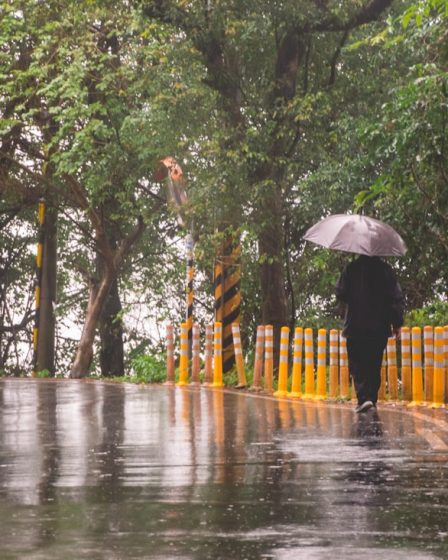
Monsoon rain can bring relief from heat, replenish water and change the rhythm of a city or village almost overnight. It can also create damp rooms, difficult commutes, muddy shoes, insects and long stretches indoors. The season feels easier when daily routines are adjusted instead of maintained as though the weather has not changed. A useful monsoon plan does not require expensive products or rigid rules. It focuses on dry clothing, safe food and water, comfortable movement, sensible travel choices and a home that can recover between showers. These small systems reduce irritation and leave more energy for work, family and rest.
Can an Electric Car Make Everyday Driving Calmer and Greener?
Interest in electric vehicles often focuses on range, charging speed and price. Those questions matter, but a car also shapes ordinary experience: the noise of the commute, the planning required for a trip, household costs and the environmental impact of repeated journeys. An electric vehicle can make driving quieter and reduce tailpipe pollution, yet it is not automatically the best choice for every household. Manufacturing, electricity sources, access to charging and the size of the vehicle all influence the outcome. A balanced decision begins with your actual travel pattern rather than with enthusiasm or anxiety about a new technology.
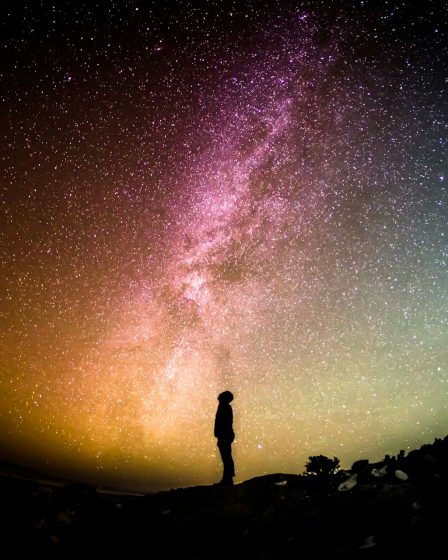
Stargazing as a Simple Way to Slow Down and Reconnect With Nature
A meteor shower or unusual object in the night sky can suddenly remind thousands of people to look up. Stargazing is accessible because it requires little equipment, yet it offers something increasingly rare: an activity that rewards patience rather than speed. You may wait twenty minutes and see nothing dramatic, then notice a satellite, a bright planet or the gradual appearance of more stars as your eyes adjust. The point is not to become an expert astronomer. It is to spend time outdoors with attention directed beyond immediate tasks and screens. With a little preparation, the experience can be comfortable, safe and genuinely restorative.